



Planting and Growing bladder campion

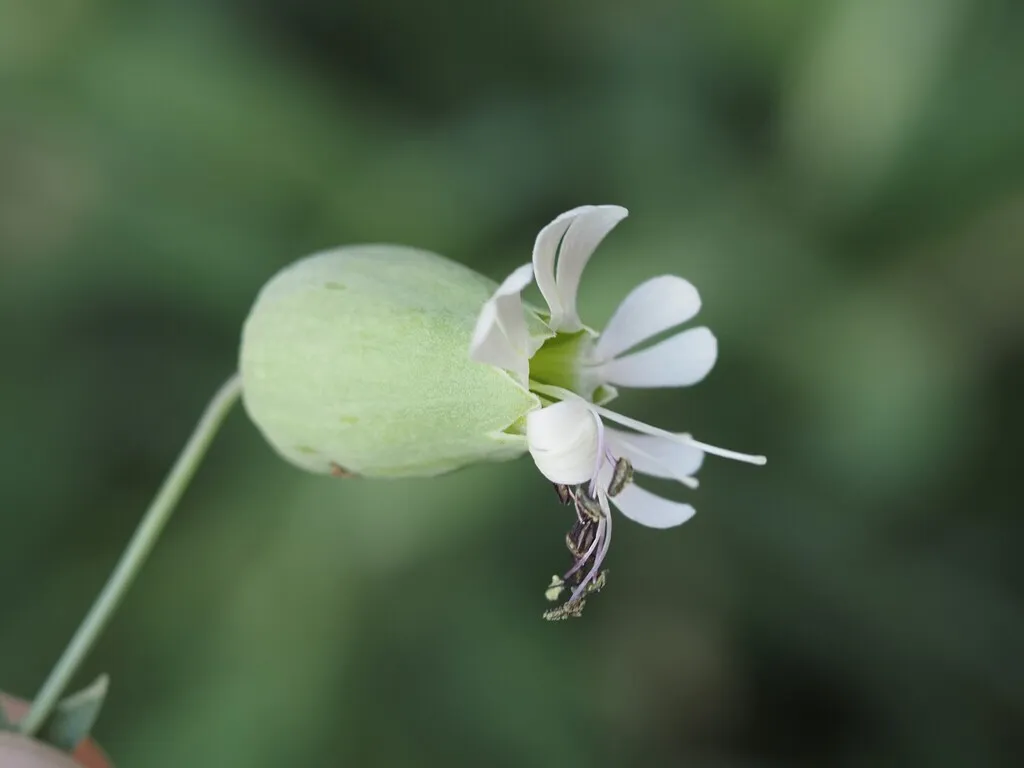
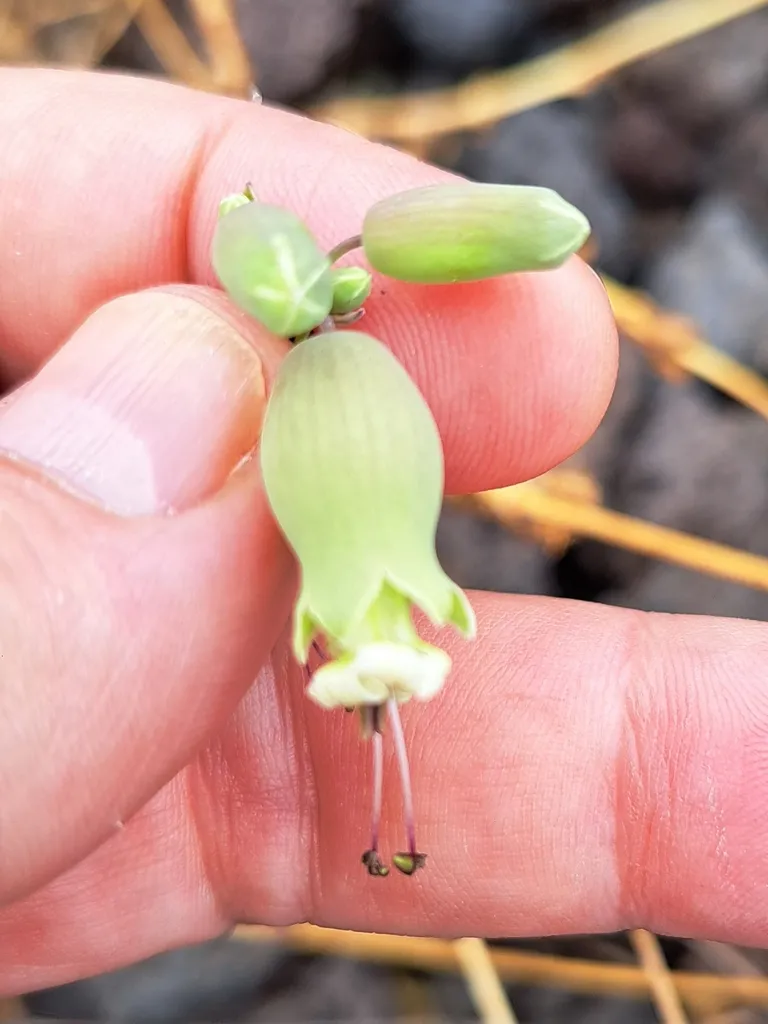
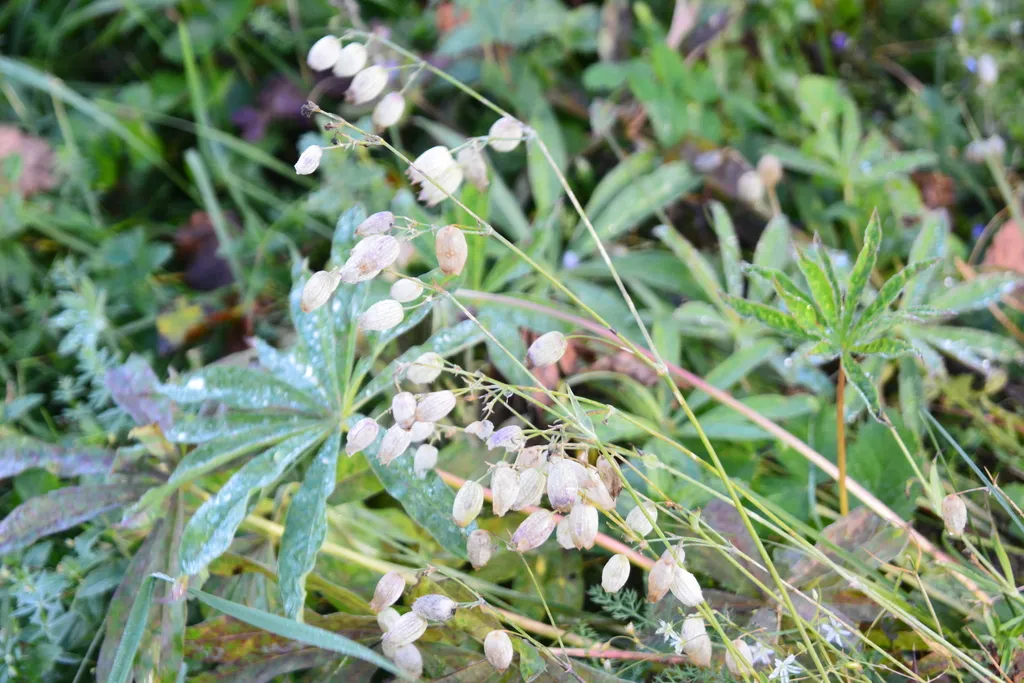
| Care difficulty | 1 / 5 |
|---|---|
| Watering schedule | Moderate regular watering, allowing brief slight drying between soakings |
| Sunlight requirements | Full sun · Partial shade |
| Ideal temperature | 15 – 25 °C |
| Soil type | Chalk · Loam |
| Soil pH | Alkaline · Neutral |
| Soil moisture | Well drained |
| Fertilizing | Balanced perennial feed every four weeks from spring through summer |
| Toxicity | Information to be completed |
How to Water bladder campion?
Thriving in its native habitat of open meadows and rocky soils, bladder campion is well-adapted to environments with moderate moisture. This species exhibits a preference for consistent hydration but can tolerate brief dry spells, making it relatively balanced in terms of water needs. It should be watered every week to maintain optimal health. Bladder campion flourishes outdoors where its seasonal growth cycles are synchronized with the natural rainfall patterns, ensuring it receives adequate water without becoming waterlogged.
Learn more →What Are the Sunlight Requirements for bladder campion?
Bladder campion thrives best under full sun conditions, which enhances its growth, health, and flowering capabilities. While bladder campion prefers continuous exposure to direct sunlight, it displays a commendable tolerance to partial sun. Variations from its ideal light conditions can lead to diminished vigor and fewer blooms, though the plant generally maintains its resilience. In outdoor settings, bladder campion should ideally be planted in locations that receive ample sunshine throughout the day. This optimal light exposure maximizes its flowering potential and maintains the vibrant health of its foliage.
Learn more →What Is the Ideal Temperature Range for bladder campion?

Bladder campion shows remarkable temperature resilience, tolerating a range from -25°C (-13°F) to 35°C (95°F). This hardy adaptability makes it well-suited for diverse climates. During extreme cold, bladder campion might exhibit wilting, leaf discoloration, or reduced growth. Protective measures like mulching or using frost cloths can mitigate these effects. In severe heat, symptoms such as leaf scorch or drooping may appear, necessitating regular watering and shading. These temperature tolerances imply bladder campion can thrive in both cooler and warmer regions, yet care is essential during temperature extremes to maintain its health.
Learn more →What Soil Is Best for bladder campion?
Ensure well-draining soil for bladder campion. Use a mix of garden soil, sand, and compost in a 2:1:1 ratio. This mix improves aeration and prevents water-logging. If sand is unavailable, perlite can be a substitute. Avoid water-logging by placing a layer of gravel at the bottom of containers. Enhance growth with a balanced, slow-release fertilizer applied in spring.
- Soil type
- Chalk · Loam
- Soil pH
- Alkaline · Neutral
What Are the Moisture Requirements for bladder campion?
Well drained
Learn more →How to Fertilize bladder campion?

For bladder campion, use balanced nutrition fertilizers to boost growth and flowering. Fertilize bi-monthly during active growth in spring and summer, reducing to once in fall. Apply a diluted half-strength solution to avoid over-fertilization. Seasonal variations influence fertilizer needs; less is required in dormant winter months. Always water soil before fertilizing to prevent root burn and ensure even nutrient distribution. Adhere to the manufacturer's recommended quantities for safe, effective care.
Learn more →How to Prune bladder campion?

Bladder campion, known for its delicate white flowers, benefits from pruning in early to late spring. Trim back dead or damaged stems to promote healthy growth and flowering. Cut back spent flowers to encourage further blooming and maintain its neat appearance. Pruning helps prevent leggy growth and supports a fuller, more robust plant structure. Regular maintenance through seasonal pruning ensures vigorous growth and an extended blooming period.
Learn more →How to Propagate bladder campion?

Bladder campion can ideally be propagated during spring and summer seasons, primarily through cuttings. Considered moderately challenging to propagate, successful growth is indicated by new leaf development. Ensuring proper moisture is critical for successful rooting.
Learn more →How to Transplant bladder campion?
Optimally relocate bladder campion during the gentle embrace of late spring under sunny to partly shaded spots with well-drained soil. This timing allows bladder campion to establish before the heat of summer. Ensure regular watering post-transplant for best results.
Learn more →How to Plant bladder campion?
Indoors-potted: Ensure bladder campion has ample space to thrive indoors, as it naturally sprawls and flowers profusely when content. Outdoors-potted: Bladder campion may not reach its full outdoor potential in a pot but will still display its charming foliage and blooms. Outdoors-in the ground: Bladder campion thrives outdoors with room to spread, displaying resilience and offering an extended blooming season.
Learn more →How to Repot bladder campion?
Repot bladder campion every 2-3 years to accommodate its growth habit and root system. Optimal repotting time is in the spring, as it's a non-climbing herbaceous plant. Choose a medium-sized pot with ample drainage to prevent waterlogging. Post-repotting, bladder campion requires moderate watering and bright indirect light to thrive. Ensure this routine for robust blooming and foliage health.
Learn more →Common Pests & Diseases

Diseases
Powdery mildew may occur
Pests
Slugs and snails may be a nuisance
Explore the plant health library →