



Planting and Growing weigelia

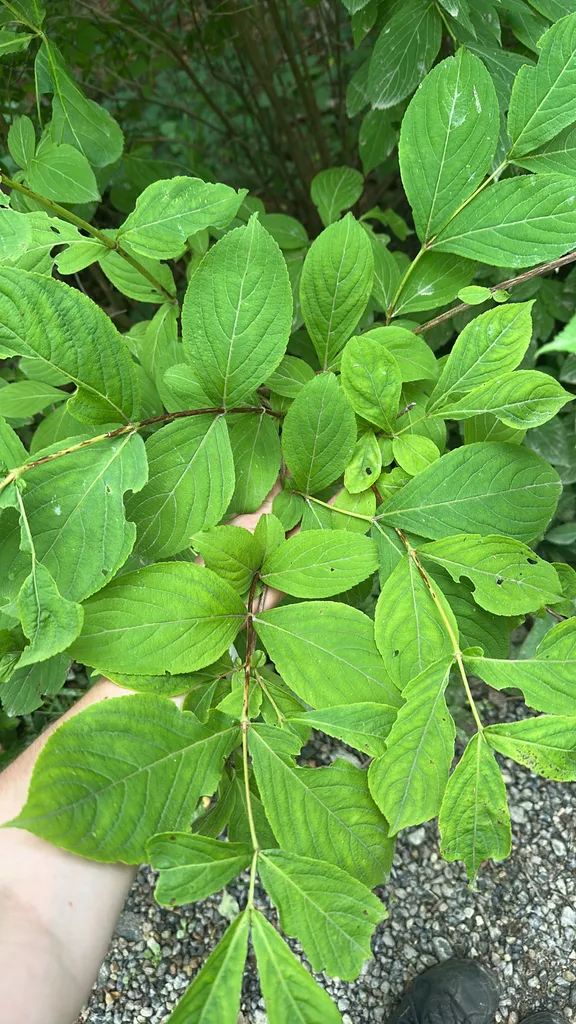
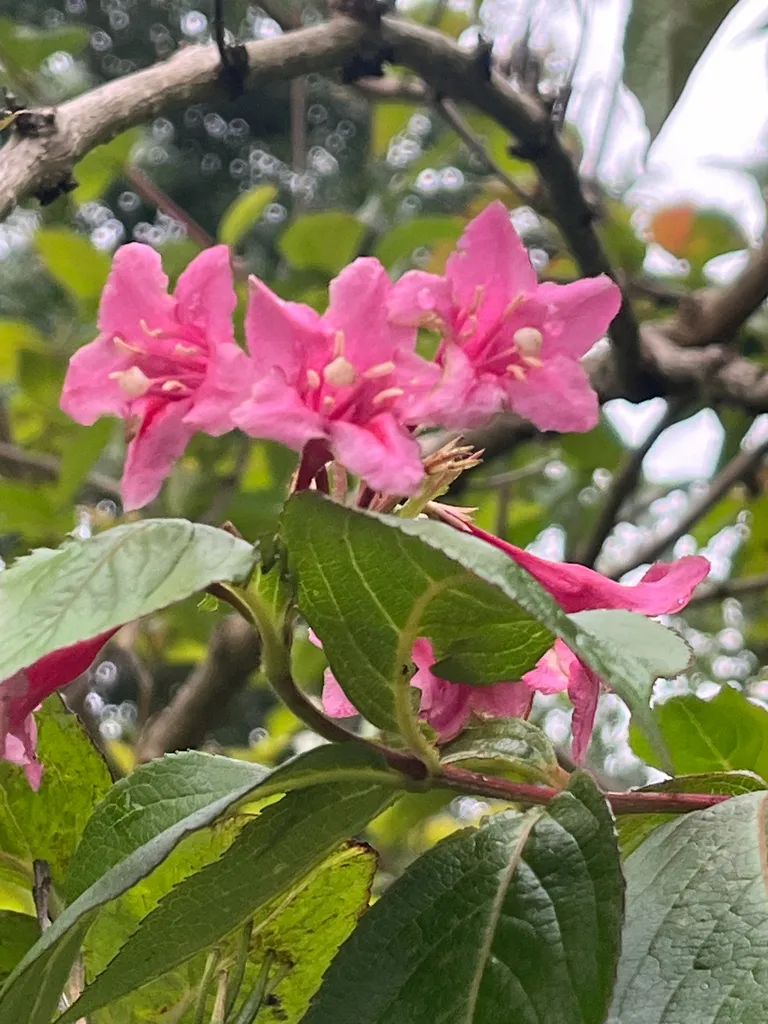
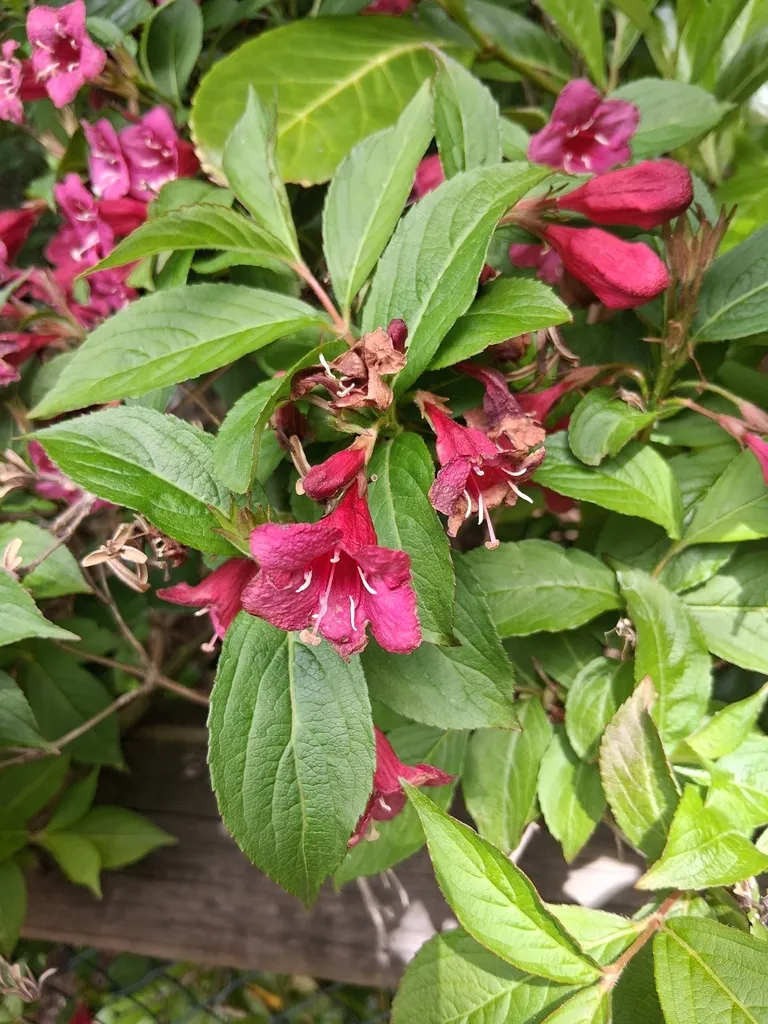
| Care difficulty | 2 / 5 |
|---|---|
| Watering schedule | Deep watering during dry spells, allowing slight surface drying between soakings |
| Sunlight requirements | Full sun · Partial shade |
| Ideal temperature | 15 – 25 °C |
| Soil type | Chalk · Clay · Loam · Sand |
| Soil pH | Acid · Alkaline · Neutral |
| Soil moisture | Moist but well drained · Well drained |
| Fertilizing | Balanced shrub or tree feed once each early spring |
| Toxicity | Information to be completed |
How to Water weigelia?
Originating from East Asia, old fashioned weigela thrives in a moderately moist environment, indicative of its natural setting with well-distributed rainfall. This species exhibits a preference for consistent moisture but can tolerate short dry spells, reflecting an adaptable water habit. For optimal growth, watering once every 1-2 weeks is recommended to maintain soil hydration without over-saturation. Commonly cultivated outdoors due to its attractive flowering, old fashioned weigela benefits from mulching to retain soil moisture and support its vibrant bloom cycle.
Learn more →What Are the Sunlight Requirements for weigelia?
Old fashioned weigela thrives best in full sun conditions, where it can receive at least six hours of direct sunlight daily. This exposure is crucial for optimal growth, health, and particularly for enhancing its remarkable flowering potential. While old fashioned weigela can tolerate partial sun, with a minimum of four hours of direct sunlight, reduced light levels may lead to sparse blooms and a less vigorous plant. Old fashioned weigela does not adjust well to full shade, which can significantly affect its growth and flowering capability. For outdoor planting, a spot that receives adequate morning light with some afternoon shade is ideal to protect old fashioned weigela from the intense late-day sun.
Learn more →What Is the Ideal Temperature Range for weigelia?

Old fashioned weigela is known for its significant resilience to temperature variations. It can endure cold temperatures as low as -25℃ (-13℉) and heat up to 38℃ (100℉). This high tolerance allows it to thrive in a variety of climates, though it may require protection during extreme cold or heat. Under cold stress, old fashioned weigela might exhibit leaf drop, slowed growth, or branch dieback. Conversely, in extreme heat, wilting, leaf scorch, or drought stress can occur. To combat these issues, mulch can insulate roots in cold weather, while adequate watering and partial shade help mitigate heat stress. Proper care enhances old fashioned weigela's longevity and aesthetic appeal.
Learn more →What Soil Is Best for weigelia?
For old fashioned weigela, prioritize well-draining soil to avoid water-logging. A suitable mix can be garden soil combined with compost and sand for better aeration. Ensure good drainage by using containers with holes or raised garden beds. Adding organic matter such as leaf mold can enhance fertility. Fertilize in spring with a balanced fertilizer to boost growth.
- Soil type
- Chalk · Clay · Loam · Sand
- Soil pH
- Acid · Alkaline · Neutral
What Are the Moisture Requirements for weigelia?
Moist but well drained · Well drained
Learn more →How to Fertilize weigelia?

For optimal growth, 'old fashioned weigela' benefits from fertilization with balanced nutrition fertilizers high in phosphorus to promote vivid blooms. Apply a granular, slow-release formula in early spring at the onset of new growth, and again mid-summer, following package instructions for quantity. Over-fertilization can harm 'old fashioned weigela'; too much nitrogen, for example, can reduce flowering. In colder regions, cease fertilization by late summer to avoid new growth susceptible to frost. Adjustments are rarely needed, but poorer soils may necessitate an additional light feeding. Always water 'old fashioned weigela' thoroughly after fertilizing to distribute nutrients and prevent root burn.
Learn more →How to Prune weigelia?

Old fashioned weigela is a deciduous shrub known for its vibrant, tubular flowers and arching branches. Optimal pruning should be done in later spring immediately after blooming to promote next year's growth. Remove dead or old wood at the base and thin out dense areas to improve air circulation. This encourages prolific flowering and a healthy structure. Avoid heavy pruning as it can reduce bloom quantity. Regular light shaping maintains form and vigor.
Learn more →How to Propagate weigelia?

Old fashioned weigela is best propagated during Autumn and Winter through methods such as cutting and layering. It has a moderate propagation difficulty, with successful propagation indicated by new vegetative growth. Ensuring ample moisture and warmth is crucial for encouraging growth.
Learn more →How to Transplant weigelia?
The ideal season for transplanting old fashioned weigela is during the awakening of nature, as this allows the plant to establish well before summer. Choose a location with well-draining soil, preferably in part-sun or light shade. Be gentle when transplanting to prevent root damage and ensure a thriving old fashioned weigela garden.
Learn more →How to Care for weigelia in Winter?

Information to be completed
Learn more →How to Plant weigelia?
Indoors-potted: For old fashioned weigela as an indoor potted plant, ensure a spacious area to accommodate its growth and seasonal pruning to maintain shape and encourage blooming. Outdoors-potted: Old fashioned weigela, when kept in outdoor pots, may require more frequent watering due to container constraints but enjoys the mobility for optimal seasonal sun exposure. Outdoors-in the ground: Planted in the ground, old fashioned weigela thrives with room to spread, contributing to a vibrant garden with its lush blooms that attract pollinators.
Learn more →How to Repot weigelia?
Repot old fashioned weigela biennially to accommodate its medium-sized bush structure. Best done post-flowering to minimize stress, as old fashioned weigela doesn't take kindly to off-season root disturbance. Choose a sizeable container with room for growth. Post-repotting, ensure ample sunlight and avoid overwatering to recover and encourage robust blooms. Friendly care fosters old fashioned weigela's showy charm!
Learn more →How to Harvest weigelia?

Information to be completed
Learn more →Common Pests & Diseases

Diseases
May be susceptible to honey fungus
Pests
May be susceptible to leaf and bud eelworms, capsid bug and brown scale
Explore the plant health library →The Toxicity of weigelia
Information to be completed