



Planting and Growing Persian cyclamen

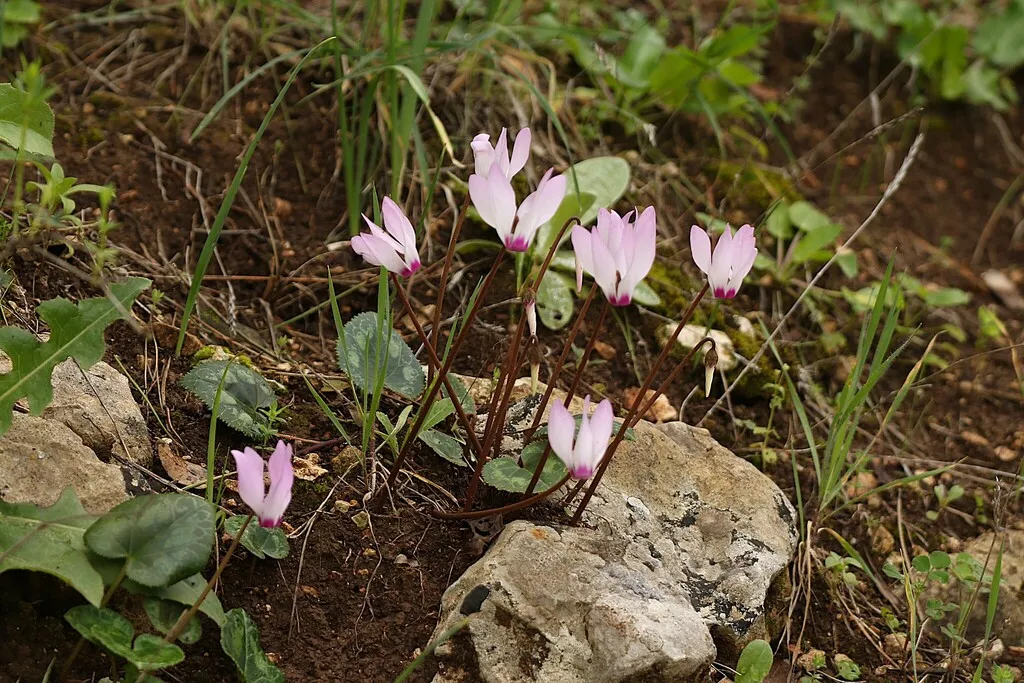
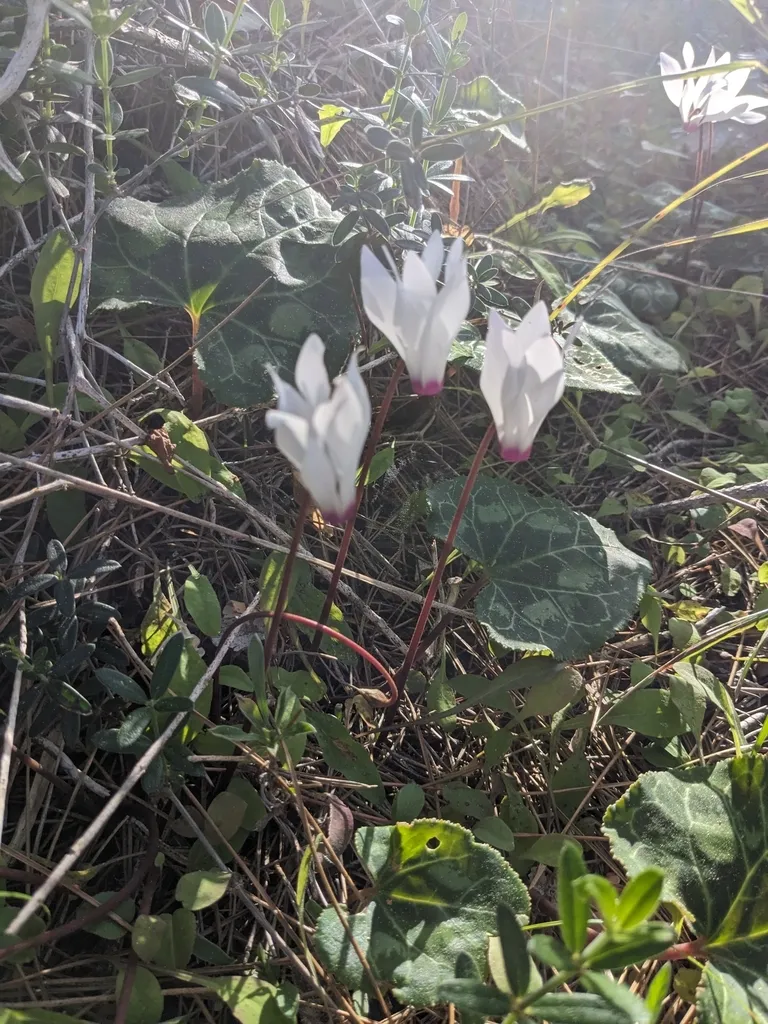
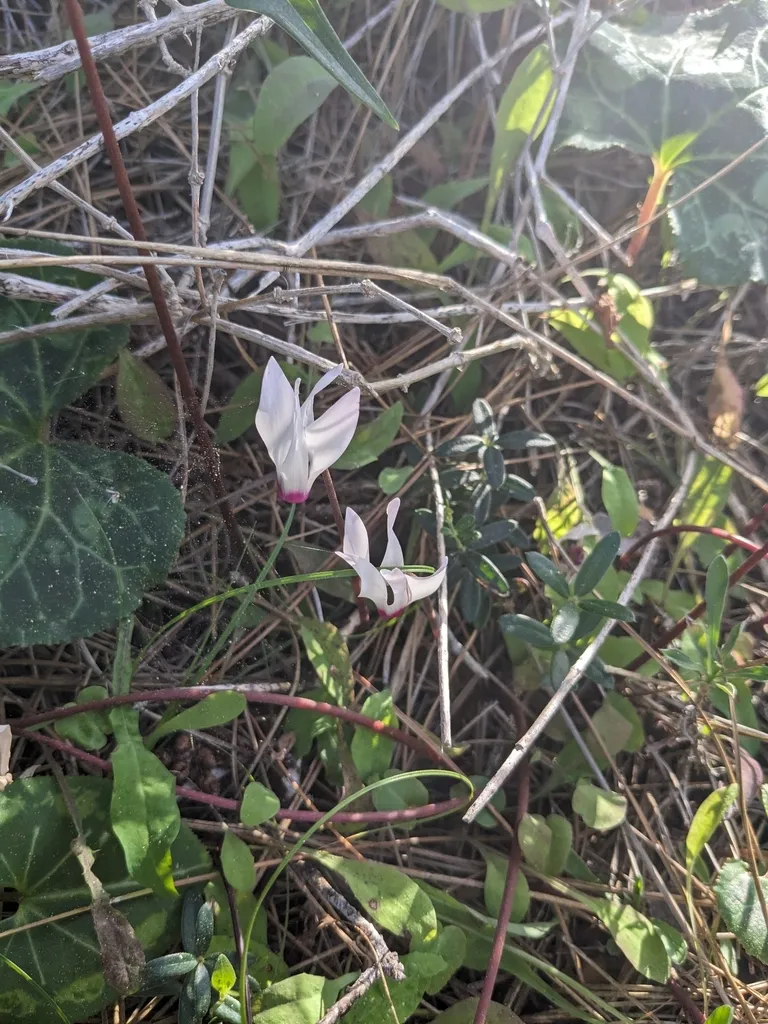
| Care difficulty | 2 / 5 |
|---|---|
| Watering schedule | Moderate regular watering, allowing brief slight drying between soakings |
| Sunlight requirements | Full sun · Partial shade |
| Ideal temperature | Information to be completed |
| Soil type | Loam |
| Soil pH | Acid · Alkaline · Neutral |
| Soil moisture | Well drained |
| Fertilizing | Balanced perennial feed every four weeks from spring through summer |
| Toxicity | Ornamental bulbs, not to be eaten. Wear gloves and other protective equipment when handling |
How to Water Persian cyclamen?
Originating from the Mediterranean, persian cyclamen thrives in environments that mimic its native subtropical climate with moderate humidity. This species is adapted to a cycle of moisture that aligns with the seasonal rains of its habitat, displaying a preference for consistent but not excessive watering. Accordingly, it requires watering every week to maintain its health. Transitioning smoothly into care habits, persian cyclamen flourishes best when kept indoors where conditions can be controlled to avoid overhydration. To complement its water needs, ensure persian cyclamen is potted in well-draining soil to prevent root rot during its active growing season.
Learn more →What Are the Sunlight Requirements for Persian cyclamen?
Persian cyclamen flourishes under partial sunlight, where it receives a balanced exposure to bright but indirect light for a few hours daily. While it can tolerate full sunlight, excessive direct light can stress the plant, potentially leading to leaf burn and reduced flowering. Persian cyclamen's foliage may exhibit adaptive behavior in response to light levels, such as leaf curling or changes in hue to protect from intense rays. Indoors, persian cyclamen is best situated in east or west-facing windows, whereas outdoors, a spot that provides morning light with afternoon shade would be suitable for optimal growth and vibrant blooms.
Learn more →What Is the Ideal Temperature Range for Persian cyclamen?

Persian cyclamen exhibits moderate resilience to temperature fluctuations. It tolerates cold down to 0℃ (32℉) and can endure heat up to 41℃ (106℉). This broad tolerance necessitates protective measures in extreme weather; in cold conditions, relocation indoors or providing frost protection is crucial. Heat stress symptoms include leaf wilting and reduced blooming, while cold damage manifests as leaf yellowing or drooping. Overcooling countermeasures involve moving persian cyclamen to a warmer environment and ensuring soil is well-drained. For overheating, shade and increased watering are essential. Such adaptability makes persian cyclamen suitable for varied climates but requires attentive seasonal care.
Learn more →What Soil Is Best for Persian cyclamen?
Its fleshy stems don't do well in excessively moist soil, so the soil used for cultivation must be loose and well-drained. Culture soil made up of leaf mold and garden soil in the ratio of 2:1 and a little calcium superphosphate can be used. Mixed peat and perlite in a ratio of 2:1 can also be used. No matter what kind of culture soil is used, it must be disinfected before use, otherwise it may easily get infected.
- Soil type
- Loam
- Soil pH
- Acid · Alkaline · Neutral
What Are the Moisture Requirements for Persian cyclamen?
Well drained
Learn more →How to Fertilize Persian cyclamen?

For optimal growth, persian cyclamen thrives with balanced nutrition fertilizers during active growth and high phosphorus fertilizers to encourage blooming. Fertilize bi-weekly at quarter strength in the growing season, reducing frequency in dormancy. Excessive application can damage roots; hence, follow prescribed quantities. Seasonally adjust fertilization: spring and summer for growth, less in fall, and minimal in winter. For safety, dilute correctly and apply to moist soil, avoiding direct contact with foliage or the corm. An effective regimen promotes health, flowering, and vigor in persian cyclamen.
Learn more →How to Prune Persian cyclamen?

Persian cyclamen is known for its elegant, colorful blooms and variegated foliage. Prune spent flowers and yellowing leaves to promote health and continuous blooming. Conduct pruning in early spring or late winter to align with the plant's dormant period. Use clean, sharp scissors to make precise cuts. Pruning helps improve airflow and light penetration, reducing disease risk and encouraging robust growth. Regular pruning ensures more vibrant blooms and a tidy appearance, enhancing the overall vigor of the plant.
Learn more →How to Propagate Persian cyclamen?

A cherished houseplant, persian cyclamen offers striking flowers and patterned foliage. Effectively propagated by division, the grower should gently separate the tubers during the dormant phase. Carefully dividing the tubers ensures the development of independent plants. Post-division, plant the tubers in a well-draining soil mix, maintaining moisture without waterlogging to promote robust growth.
Learn more →How to Transplant Persian cyclamen?
The prime season for transplanting persian cyclamen is from late spring to early summer, ensuring optimal growth. Choose a location with well-draining soil and partial shade. For successful transplanting, providing proper spacing for ample root development is essential. Enjoy your flourishing persian cyclamen!
Learn more →How to Care for Persian cyclamen in Winter?

Persian cyclamen hails from the Mediterranean, naturally resilient to its mild winters. With periods of dormancy crucial for its survival, persian cyclamen's leaves may wither, but its tubers remain vigorous underground. Gardeners should offer persian cyclamen dry, cool conditions during winter months. Avoid overwatering to prevent rotting, and allow the plant to rest. Frost-free settings and adequate drainage ensure persian cyclamen's health, setting the stage for spring resurgence.
Learn more →How to Plant Persian cyclamen?
Indoors-potted: Ensure persian cyclamen's pot has ample drainage when indoors to prevent root rot, which is critical for its bulb health. Outdoors-potted: Persian cyclamen thrives in cooler outdoor climates but must be sheltered from extreme conditions that can damage its delicate petals. Outdoors-in the ground: In the ground, persian cyclamen requires well-draining soil and benefits from a layer of mulch to maintain moisture without waterlogging.
Learn more →How to Repot Persian cyclamen?
For 'persian cyclamen', a compact flowering plant, repotting every 2-3 years ensures continued growth. Preferably repot after blooming in late winter or early spring. Choose a pot slightly larger than the current one to accommodate its root system without overly increasing the soil volume, which can lead to waterlogging. Post-repotting, keep the soil evenly moist but not wet and provide bright, indirect light for this delicate beauty.
Learn more →How to Harvest Persian cyclamen?

Information to be completed
Learn more →Common Pests & Diseases

Diseases
May suffer from cyclamen grey mould and black root rot
Pests
May suffer from vine weevils
Explore the plant health library →The Toxicity of Persian cyclamen
Ornamental bulbs, not to be eaten. Wear gloves and other protective equipment when handling