



Planting and Growing Iris ensata 'Activity'

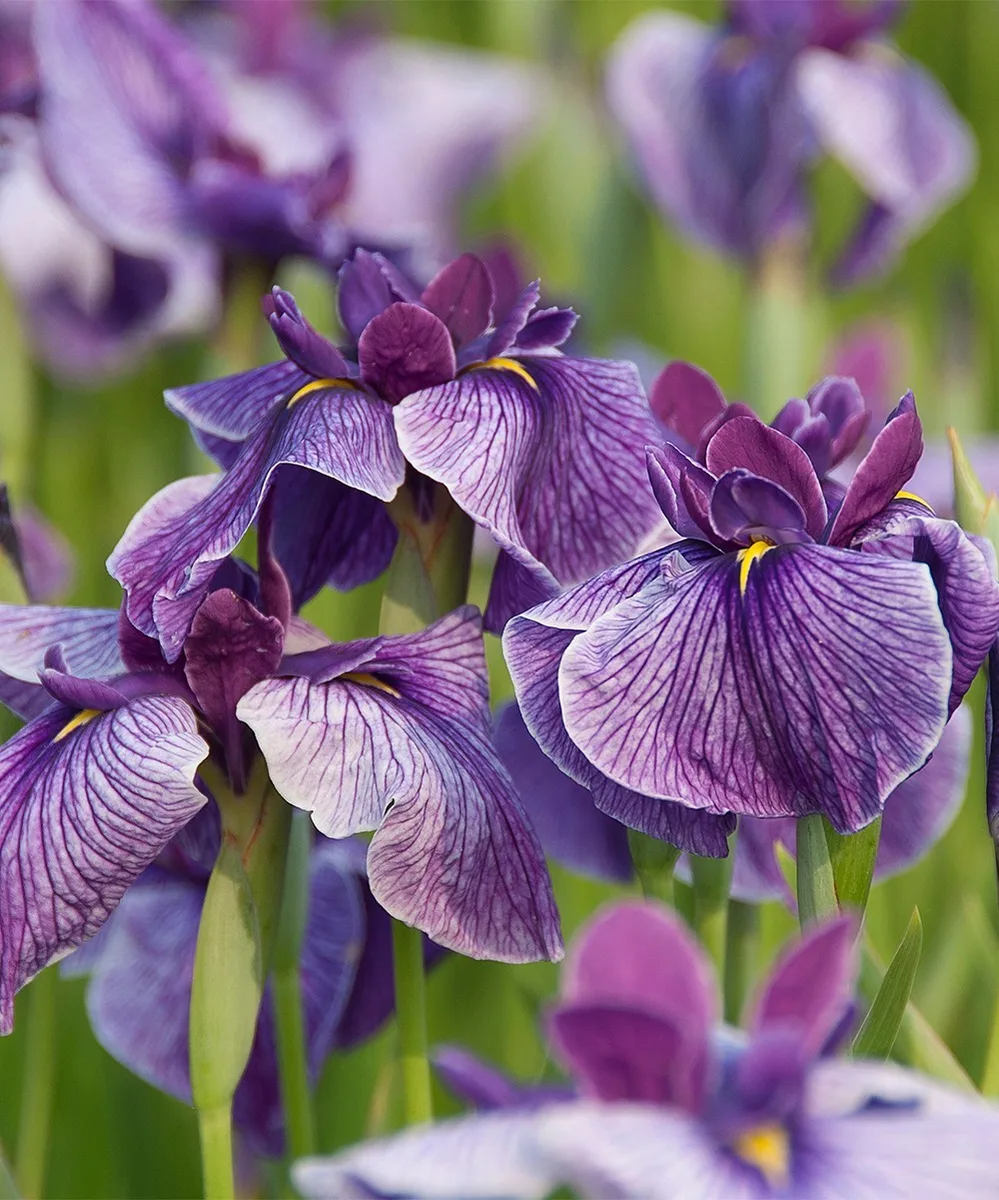
| Care difficulty | 3 / 5 |
|---|---|
| Watering schedule | Keep mud soil consistently moist, tolerate shallow standing water briefly |
| Sunlight requirements | Full sun · Partial shade |
| Ideal temperature | Information to be completed |
| Soil type | Loam · Clay |
| Soil pH | Neutral · Acid |
| Soil moisture | Moist but well drained · Poorly drained |
| Fertilizing | Aquatic iris diluted feed every four weeks active warm growth season |
| Toxicity | Harmful if eaten. Wear gloves and other protective equipment when handling |
How to Water Iris ensata 'Activity'?
Keep mud soil consistently moist, tolerate shallow standing water briefly
Learn more →What Are the Sunlight Requirements for Iris ensata 'Activity'?
Full sun · Partial shade
Learn more →What Is the Ideal Temperature Range for Iris ensata 'Activity'?

Information to be completed
Learn more →What Soil Is Best for Iris ensata 'Activity'?
- Soil type
- Loam · Clay
- Soil pH
- Neutral · Acid
What Are the Moisture Requirements for Iris ensata 'Activity'?
Moist but well drained · Poorly drained
Learn more →How to Fertilize Iris ensata 'Activity'?

Aquatic iris diluted feed every four weeks active warm growth season
Learn more →How to Prune Iris ensata 'Activity'?

Remove spent flower stems after flowering, and any dying foliage in autumn
Learn more →How to Propagate Iris ensata 'Activity'?

Propagate by division, see dividing irises for more detailed advice
Learn more →How to Transplant Iris ensata 'Activity'?
Information to be completed
Learn more →How to Care for Iris ensata 'Activity' in Winter?

Information to be completed
Learn more →How to Plant Iris ensata 'Activity'?
Thrives in moist, humus rich, ideally neutral to slightly acid soil. Will tolerate part shade but flowering is best in full sun. Suitable for planting at the edges of ponds and streams, or in a border where the soil does not dry out
Learn more →How to Repot Iris ensata 'Activity'?
Information to be completed
Learn more →How to Harvest Iris ensata 'Activity'?

Information to be completed
Learn more →Common Pests & Diseases

Diseases
May be susceptible to aphid-borne virus diseases and grey moulds; see Iris diseases
Pests
May be susceptible to aphids, slugs, snails, thrips and iris sawfly
Explore the plant health library →The Toxicity of Iris ensata 'Activity'
Harmful if eaten. Wear gloves and other protective equipment when handling