



Planting and Growing coral gem

| Care difficulty | 3 / 5 |
|---|---|
| Watering schedule | Moderate regular watering, avoid prolonged drought and stagnant waterlogging |
| Sunlight requirements | Full sun |
| Ideal temperature | 15 – 25 °C |
| Soil type | Loam · Sand · Chalk |
| Soil pH | Acid · Alkaline · Neutral |
| Soil moisture | Well drained |
| Fertilizing | Balanced perennial feed every four weeks spring through summer growth |
| Toxicity | Information to be completed |
How to Water coral gem?
Originating from the Canary Islands, coral gem is accustomed to a moderate climate with consistent moisture. This species thrives on regular hydration but can endure short periods of dryness due to its drought-tolerant nature. Care should be given by watering every week to maintain its lush appearance. As an evergreen plant, coral gem retains its foliage year-round, requiring consistent soil moisture to support this trait, especially when grown outdoors where it can fully express its cascading growth habit.
Learn more →What Are the Sunlight Requirements for coral gem?
Coral gem thrives best in full sun conditions where it can receive direct sunlight for most of the day. This exposure maximizes its growth and flowering potential. However, coral gem can also tolerate partial sun, especially in regions with very intense midday sun, which makes it adaptable to a variety of outdoor garden settings. In partial sun, its growth might slow down, and flowering may be less abundant compared to full sun exposure. No unique leaf adjustments or color changes are particularly noted for coral gem in different light exposures. It is generally recommended to plant coral gem in outdoor locations where it can receive ample sunlight for the majority of the day to ensure optimal growth and health.
Learn more →What Is the Ideal Temperature Range for coral gem?

Coral gem displays notable resilience to temperature variations. It withstands cold down to 5℃ (41℉) and heat up to 43℃ (109℉). This adaptability means coral gem can thrive in a range of climates, but requires protective measures during extreme cold or heat. In freezing temperatures, coral gem may exhibit leaf discoloration or drop, while extreme heat can cause wilting or sunburn. To counter these conditions, provide insulation like mulch or frost cloth during cold spells, and ensure adequate hydration and shading in hot weather. Its broad temperature tolerance makes coral gem suitable for diverse environments, simplifying care for seasoned and novice gardeners alike.
Learn more →What Soil Is Best for coral gem?
Coral gem prefers well-draining soil to avoid water-logging. Create a suitable mix with equal parts garden soil, sand, and perlite to ensure good aeration. If sand or perlite is unavailable, substitute with fine gravel. Incorporate a balanced, slow-release fertilizer at the start of the growing season for optimal growth. Be mindful to check and adjust for adequate drainage consistently.
- Soil type
- Loam · Sand · Chalk
- Soil pH
- Acid · Alkaline · Neutral
What Are the Moisture Requirements for coral gem?
Well drained
Learn more →How to Fertilize coral gem?

To support coral gem's growth, use balanced nutrition fertilizers at a half-strength concentration every 4-6 weeks during active growing seasons, spring and summer. This routine enriches soil nutrients, boosting healthy foliage and vibrant blooms. Reducing fertilization in fall and ceasing in winter matches coral gem's dormancy period. Always water coral gem before applying fertilizer to prevent root burn and ensure nutrient absorption. Over-fertilizing can be detrimental; observe coral gem's response and adjust accordingly for optimal health.
Learn more →How to Prune coral gem?

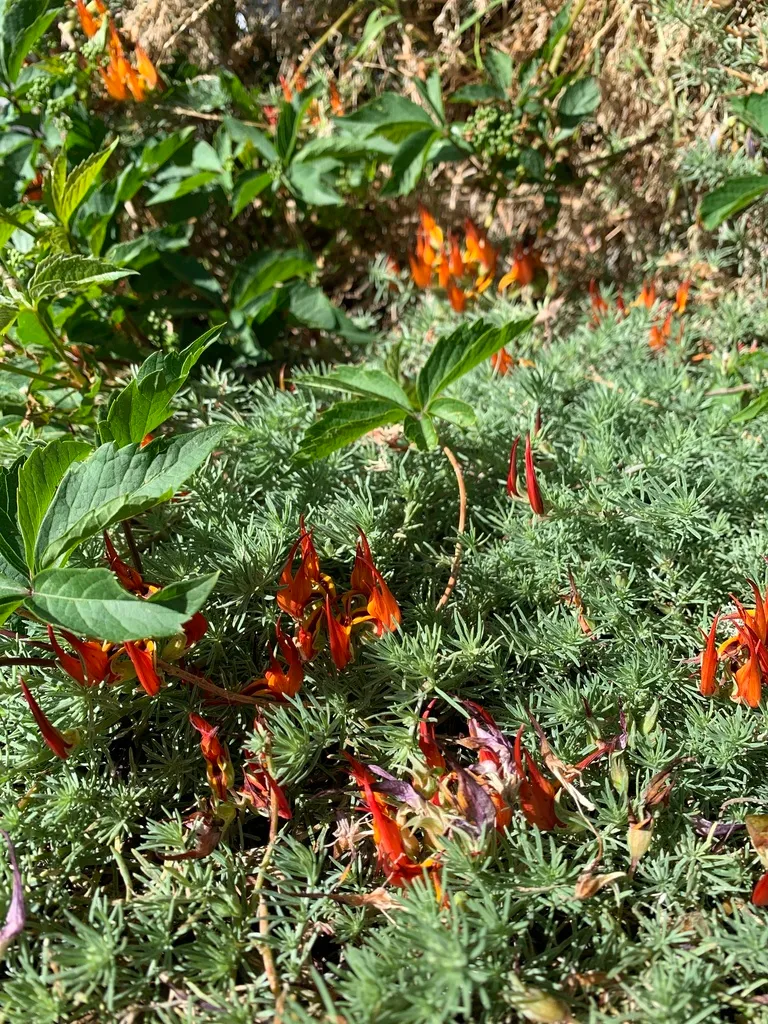
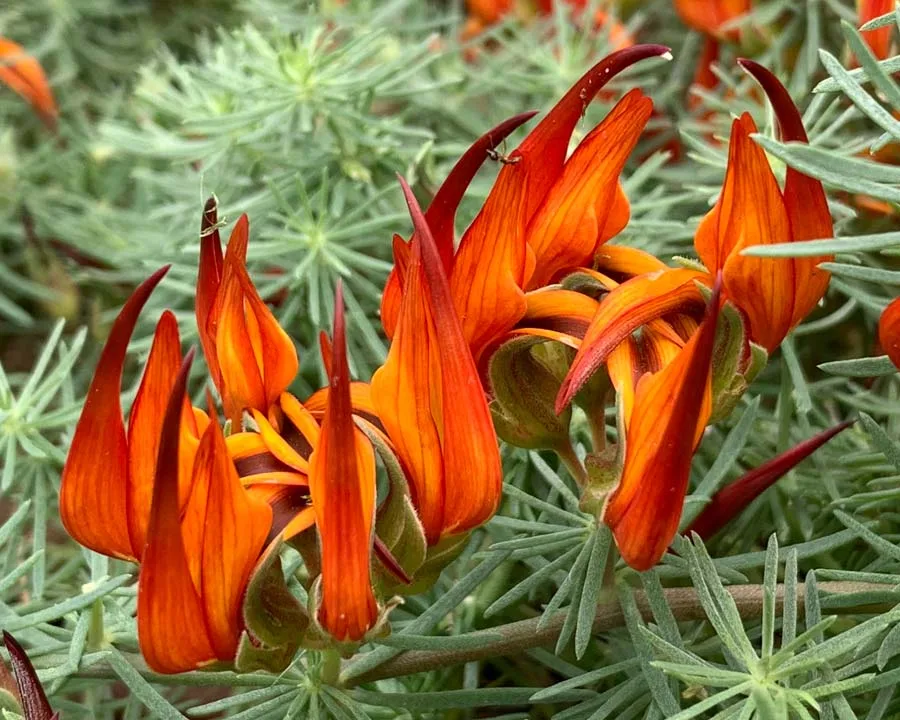
Coral gem is known for its vibrant, trailing foliage and striking red flowers. Prune in early to late spring to promote healthy growth and flowering. Trim back any dead or damaged stems, and shape the plant to encourage a bushier form. Avoid heavy pruning as coral gem has delicate stems. Regular, light pruning encourages prolific blooming and maintains an attractive shape. Always use clean, sharp tools to minimize damage and prevent disease.
Learn more →How to Propagate coral gem?

Coral gem is a trailing perennial that exhibits vibrant, parrot-beak-shaped flowers and silvery foliage, making it a stunning addition to a garden. To propagate coral gem, seeds should be sown in well-drained soil, preferably in a sunny position. Ensure the seedbed is kept moist, but not waterlogged, to foster healthy germination. Providing gentle warmth can aid in successful seedling growth. Once established, coral gem can benefit from occasional fertilization to support robust development. This species appreciates attentive care and yields abundant, colorful blossoms in return.
Learn more →How to Transplant coral gem?
For coral gem, the twilight of summer into the cusp of fall offers the best transplanting window, ensuring a gentle acclimatization. Choose a sunny spot with good drainage and enrich the friendship with occasional transplant tips to bolster success.
Learn more →How to Plant coral gem?
Grow in well-drained compost in full sun. Under glass, grow in a loam -based compost with added grit. Water sparingly in winter. Water freely in summer and feed monthly with a balanced liquid fertiliser
Learn more →How to Repot coral gem?
Repot coral gem every 2-3 years to accommodate its cascading habit and ensure robust growth. This bush-like, tender perennial prefers early spring repotting, just before the growth season. Choose a medium-sized pot with ample drainage to avoid waterlogging. Post-repotting, ensure bright, indirect light and maintain slightly moist soil without overwatering to promote recovery and thriving foliage.
Learn more →Common Pests & Diseases

Diseases
Generally disease-free
Pests
May be susceptible to glasshouse red spider mite, mealybugs and aphids under glass
Explore the plant health library →