



Planting and Growing rain daisy

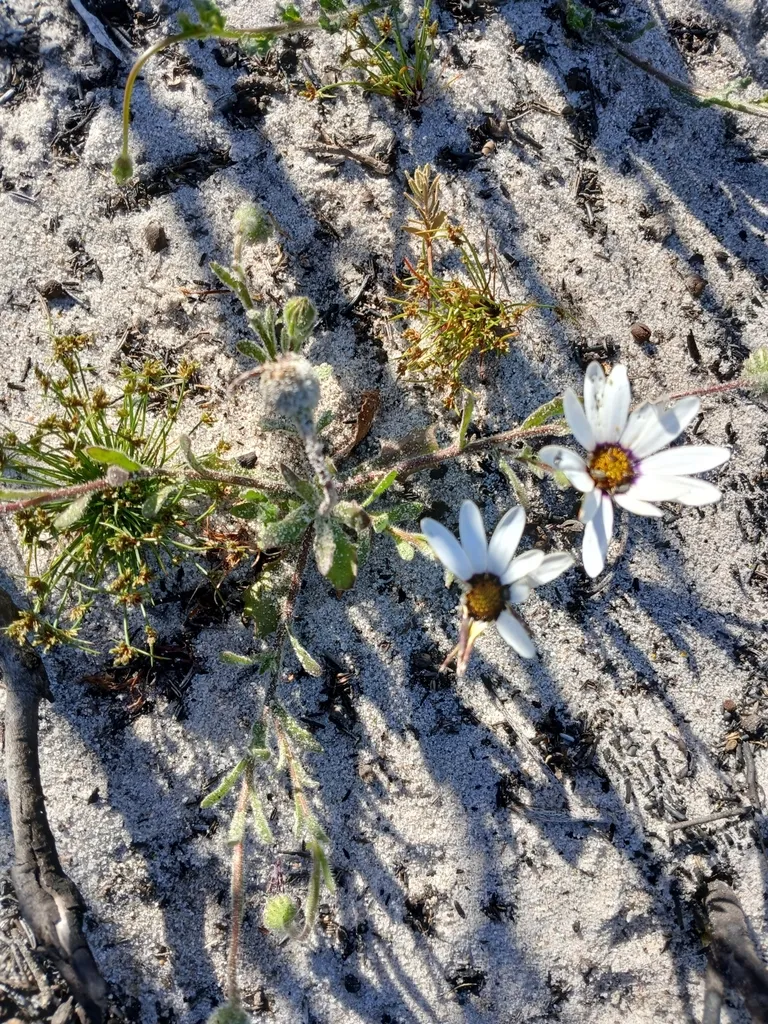
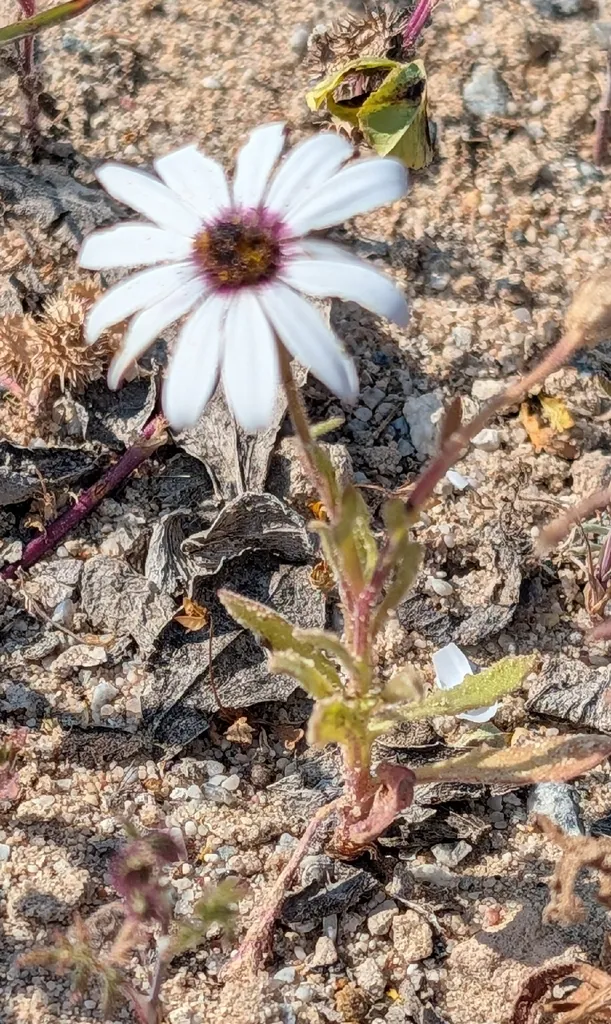
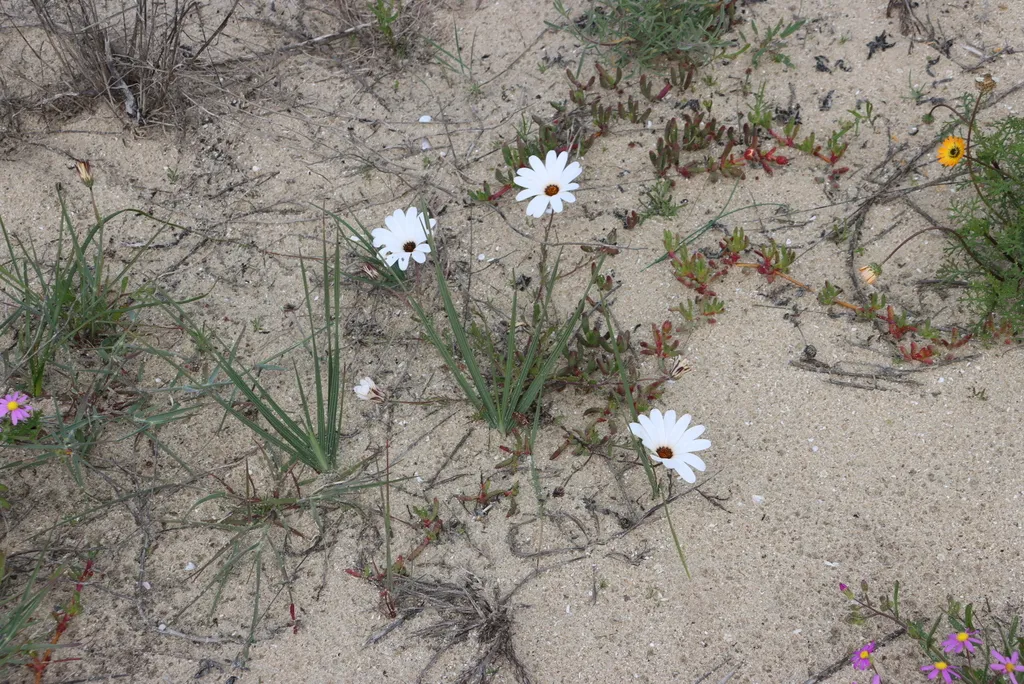
| Care difficulty | 1 / 5 |
|---|---|
| Watering schedule | Moderate regular watering, avoid prolonged drought or waterlogging |
| Sunlight requirements | Full sun |
| Ideal temperature | Information to be completed |
| Soil type | Chalk · Loam · Sand |
| Soil pH | Acid · Alkaline · Neutral |
| Soil moisture | Well drained |
| Fertilizing | Balanced feed in spring and light repeat in growth season |
| Toxicity | Information to be completed |
How to Water rain daisy?
Moderate regular watering, avoid prolonged drought or waterlogging
Learn more →What Are the Sunlight Requirements for rain daisy?
Full sun
Learn more →What Is the Ideal Temperature Range for rain daisy?

Information to be completed
Learn more →What Soil Is Best for rain daisy?
- Soil type
- Chalk · Loam · Sand
- Soil pH
- Acid · Alkaline · Neutral
What Are the Moisture Requirements for rain daisy?
Well drained
Learn more →How to Fertilize rain daisy?

Balanced feed in spring and light repeat in growth season
Learn more →How to Prune rain daisy?

Deadhead to encourage more flowers
Learn more →How to Propagate rain daisy?

Propagate by seed, sown under cover in early spring and planted out after frosts, or sown in situ in mid spring
Learn more →How to Transplant rain daisy?
Information to be completed
Learn more →How to Care for rain daisy in Winter?

Information to be completed
Learn more →How to Plant rain daisy?
Grow in light, well-drained, fertile soil in a sheltered, sunny spot; flowers close in the evenings and in dull weather
Learn more →How to Repot rain daisy?
Information to be completed
Learn more →How to Harvest rain daisy?

Information to be completed
Learn more →Common Pests & Diseases

Diseases
May be susceptible to grey moulds
Pests
Generally pest-free
Explore the plant health library →The Toxicity of rain daisy
Information to be completed