



Planting and Growing sweet corn

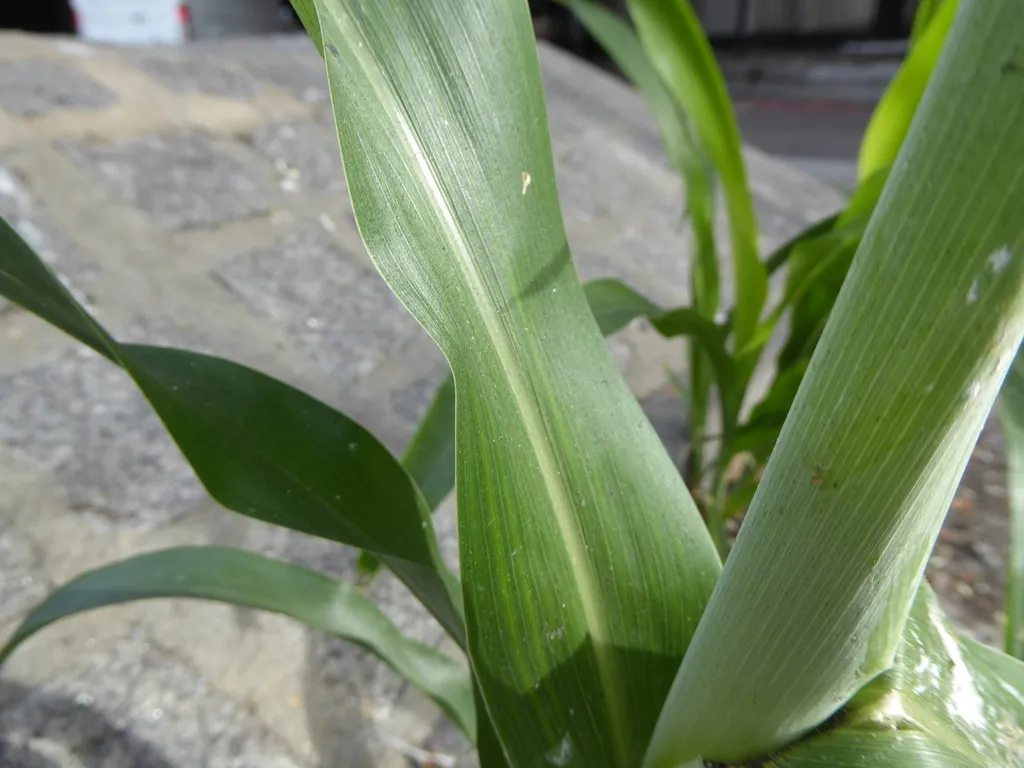
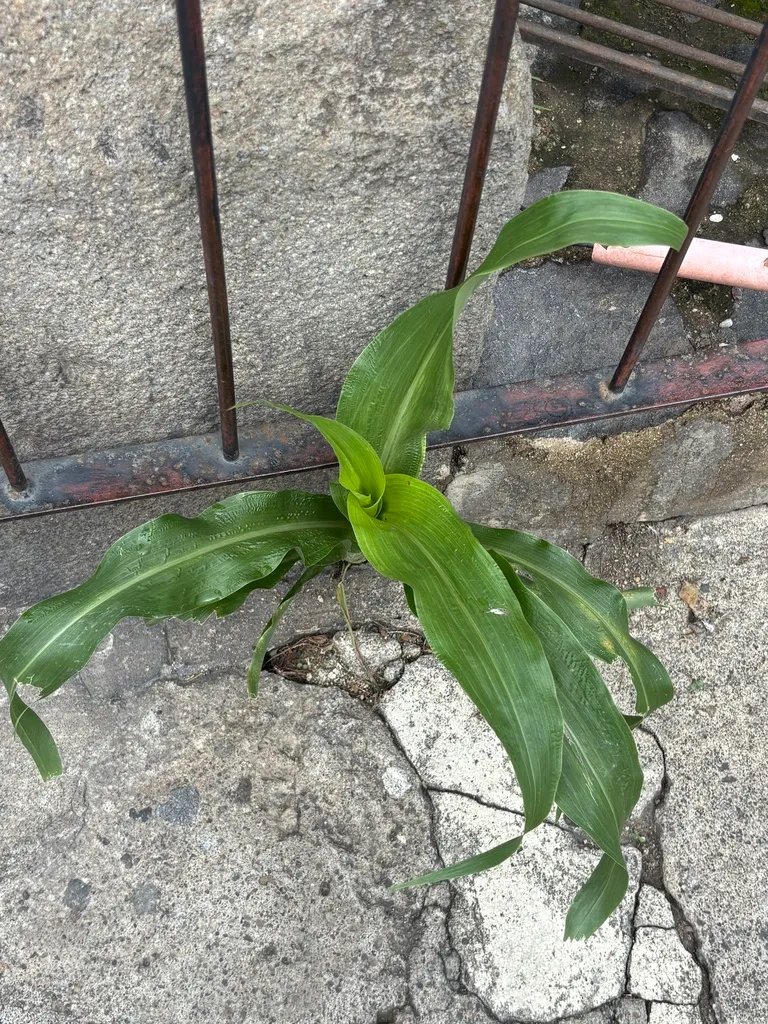
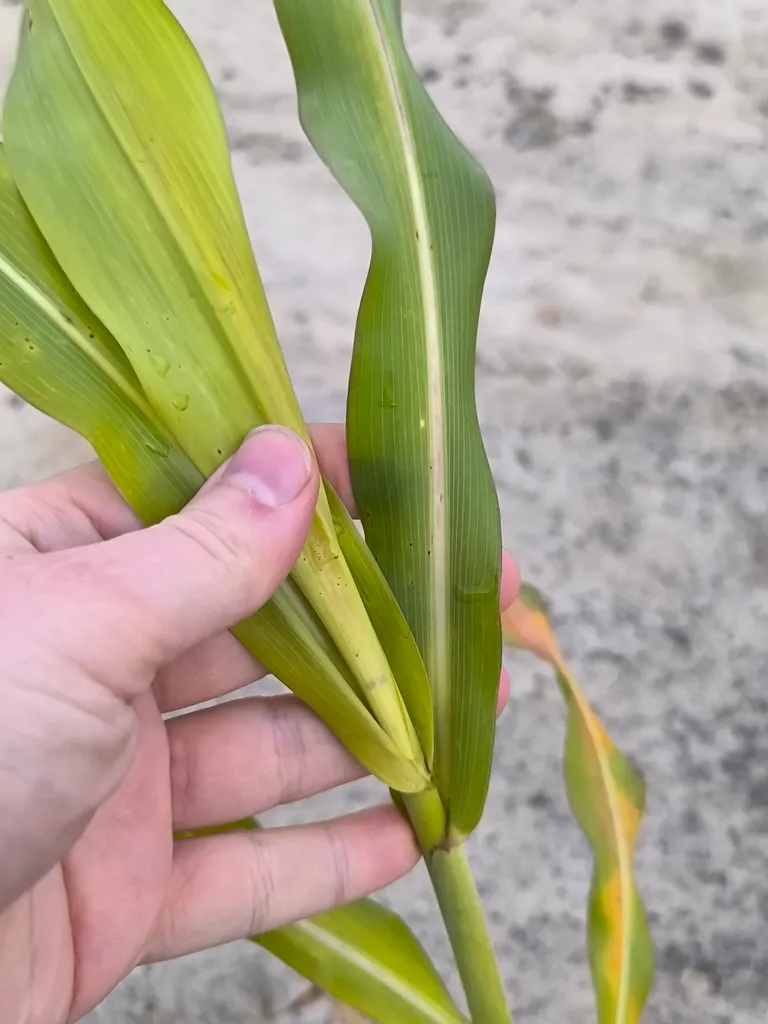
| Care difficulty | 2 / 5 |
|---|---|
| Watering schedule | Keep soil evenly moist, especially during rapid summer growth |
| Sunlight requirements | Full sun |
| Ideal temperature | 20 – 30 °C |
| Soil type | Chalk · Clay · Loam · Sand |
| Soil pH | Acid · Neutral |
| Soil moisture | Moist but well drained |
| Fertilizing | Nitrogen-rich feed early, then balanced feed before tasseling |
| Toxicity | Information to be completed |
How to Water sweet corn?
Maize originates from a humid environment, exhibiting a preference for regular hydration. It showcases an equilibrium between drought tolerance and humidity appreciation. This plant thrives when watered twice a week, maintaining its water balance efficiently. Being predominantly an outdoor plant, maize requires consistent watering during its growing season to ensure optimal growth.
Learn more →What Are the Sunlight Requirements for sweet corn?
Maize flourishes best under full sun conditions, requiring high-intensity light for optimum growth and productivity. Ideally, providing over six hours of direct sunlight daily facilitates robust stem growth, enhances leaf photosynthesis, and improves yield potential. While maize displays some tolerance to partial sun, light insufficiency can lead to reduced growth rates and lower yield quality. Lacking the inherent adaptation for shade, maize under limited light may develop elongated stems and pale leaves as it endeavors to capture more light. For outdoor cultivation, maize should be planted in open areas free from shade-causing obstructions to maximize light exposure throughout the day.
Learn more →What Is the Ideal Temperature Range for sweet corn?

Maize demonstrates notable temperature resilience, tolerating a broad range from 0℃ (32℉) to 43℃ (109℉). It endures both cold snaps and heatwaves but grows best under stable conditions. During severe temperature extremes, provide protection like mulching in cold or shading during heat. Symptoms of stress include wilted leaves under heat or leaf discoloration in cold. Prompt responses such as relocating potted plants indoors during frost or ensuring adequate hydration in heat can mitigate these risks. This broad tolerance makes maize adaptable to various climates, yet attentive care is necessary during weather extremes.
Learn more →What Soil Is Best for sweet corn?
The natural habitat of maize features loam or sandy loam soils with a pH ranging from slightly acidic to moderately alkaline (pH 5.5-7.5). This pH ensures optimal nutrient absorption, crucial for maize's growth. Native soils are rich in organic matter and well-drained. For a suitable soil mix: use 40% garden soil, 30% compost, 20% sand, and 10% peat moss. Ensure good drainage to prevent water-logging by incorporating perlite or coarse sand. Fertilize with balanced NPK fertilizer every 4-6 weeks during growth.
- Soil type
- Chalk · Clay · Loam · Sand
- Soil pH
- Acid · Neutral
What Are the Moisture Requirements for sweet corn?
Moist but well drained
Learn more →How to Fertilize sweet corn?

For maize, optimal growth requires frequent fertilization with high phosphorus content to support robust root development, especially during pre-planting and reproductive stages. Apply a balanced N-P-K fertilizer every 2-3 weeks during active growth. Moderate quantities, in accordance with soil tests, prevent nutrient runoff. To adapt to seasonal needs, reduce frequency post-harvest. Key tip: Ensure even distribution to avoid root burn. A well-fertilized maize exhibits vigorous growth and higher yield.
Learn more →How to Prune sweet corn?

No pruning required.
Learn more →How to Propagate sweet corn?

Maize is best propagated through sowing seeds directly in the soil during Spring. Moderate in difficulty, success is marked by germinated seeds and emerging seedlings. Ensure good seed-to-soil contact and keep the soil consistently moist during germination.
Learn more →How to Transplant sweet corn?
Transplanting maize is best done in the early summer months when the soil temperature has warmed up. Choose a sunny location with well-draining soil to ensure success. If needed, amend the soil before transplanting for optimal results. Happy gardening!
Learn more →How to Plant sweet corn?
Indoors-potted: For maize indoors, ensure a deep container to accommodate its extensive root system; rotate the pot for even growth. Outdoors-potted: When grown in outdoor pots, maize requires ample space; consider larger containers to prevent toppling from wind. Outdoors-in the ground: Maize thrives outdoors with enough space to grow; watch for birds who may be attracted to your crop.
Learn more →Common Pests & Diseases

Diseases
May be susceptible to smuts which apppear as large galls on the cobs and stalks in hot weather.
Pests
May be susceptible to damage from birds, slugs, mice and badgers.
Explore the plant health library →Troubleshooting
Early Bolting, Poor Harvest Quality, or Root Rot
sweet corn (Zea mays) requires steady soil moisture, well-drained fertile ground, and timely seasonal sowing/harvesting; heat waves, drought stress, or waterlogged soil quickly reduce quality.
| What you notice | Possible explanation | What to check next |
|---|---|---|
| Plant sends up a tall flower stalk prematurely (bolting) and leaves turn tough or bitter | High temperatures, long summer days, or irregular drought stress (especially in cool-season crops like Pak choi, Dill, Parsley, and Leeks) | Check recent daytime temperatures and soil moisture consistency |
| Lower leaves yellow and plants wilt or collapse at the base in wet soil | Waterlogged soil or soil-borne disease (May be susceptible to smuts which apppear as large galls on the cobs and stalks in hot weather.) | Inspect soil drainage and lift a struggling plant to examine roots/bulbs |
- Grow in fertile, well-drained soil in full sun, spacing plants properly for good air circulation.
- Maintain even moisture without waterlogging: Keep soil evenly moist, especially during rapid summer growth.
- Harvest promptly at peak size/maturity, rotate crops annually in garden beds, and discard diseased plants rather than composting them.
For sweet corn (Zea mays), plant in a multi-row block/grid rather than a single row so wind pollination fills out the ears.
Leaf-Eating Caterpillars, Aphids, Leaf Miners, or Slugs
Tender foliage and developing bulbs or cobs of sweet corn (Zea mays) attract garden pests such as May be susceptible to damage from birds, slugs, mice and badgers..
| What you notice | Possible explanation | What to check next |
|---|---|---|
| Holes in leaves, winding pale tunnels inside leaves, or sticky clusters of aphids on tender shoots | Common pests (May be susceptible to damage from birds, slugs, mice and badgers.) | Inspect leaf undersides, inner crowns, and soil surface early in the morning |
| Powdery white coating or rusty/dark leaf spots in humid crowded beds | Fungal disease (May be susceptible to smuts which apppear as large galls on the cobs and stalks in hot weather.) | Check plant spacing and whether overhead watering wets foliage late in the day |
- Protect young seedlings with fine insect mesh / floating row covers and remove slugs or caterpillars by hand.
- Water at the soil base in the morning so foliage dries quickly, and thin crowded seedlings to improve airflow.
- If using insecticidal soap or organic controls, follow label directions and pre-harvest intervals strictly.
Wash harvested greens, herbs, and vegetables thoroughly in clean water before kitchen use.