



Planting and Growing evergreen magnolia

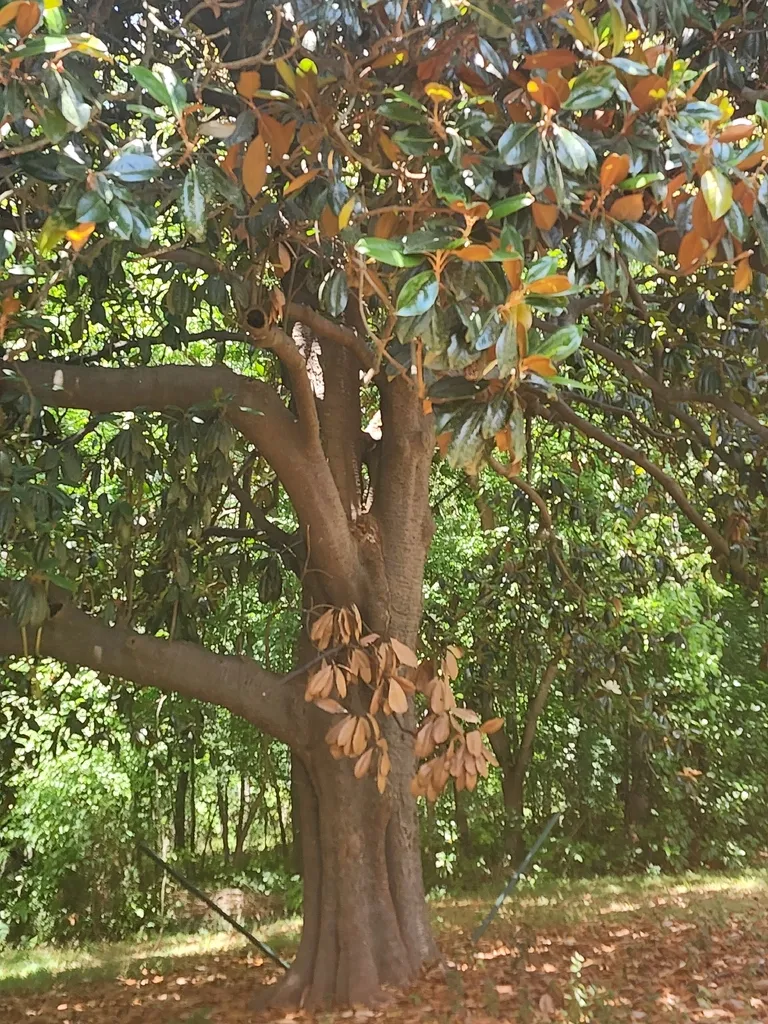
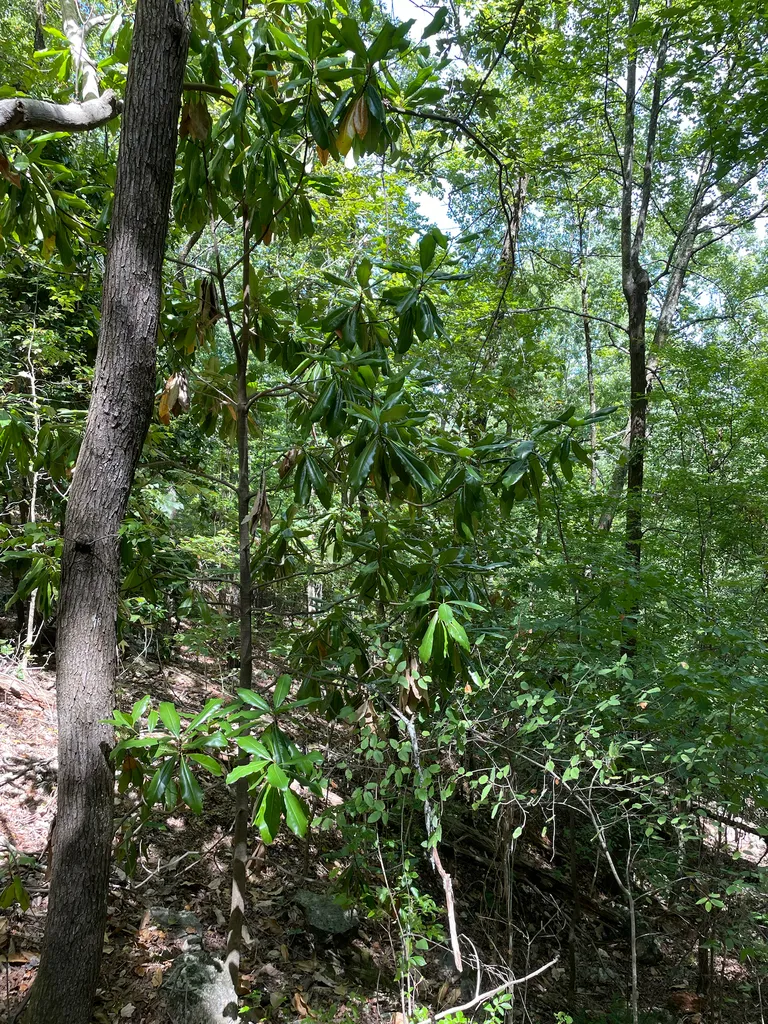
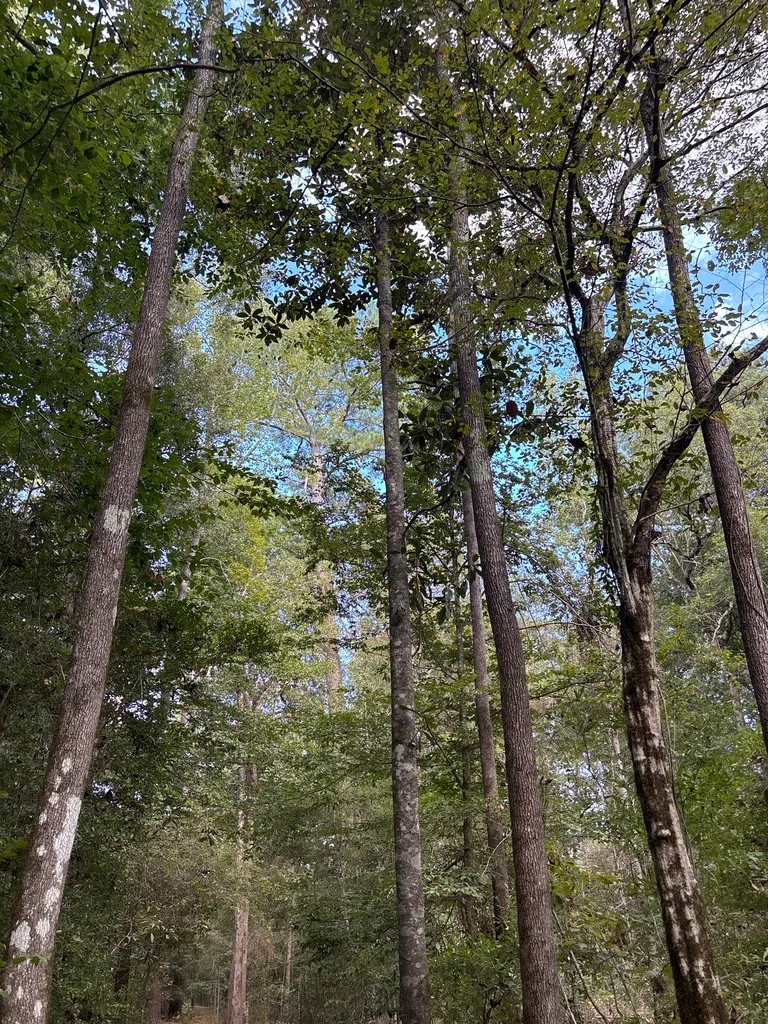
| Care difficulty | 2 / 5 |
|---|---|
| Watering schedule | Water deeply and regularly, especially in dry periods |
| Sunlight requirements | Full sun · Partial shade |
| Ideal temperature | 15 – 25 °C |
| Soil type | Chalk · Clay · Loam · Sand |
| Soil pH | Acid · Alkaline · Neutral |
| Soil moisture | Moist but well drained · Well drained |
| Fertilizing | Fertilize in early spring and again in midsummer |
| Toxicity | Information to be completed |
How to Water evergreen magnolia?
Southern magnolia is a plant that prefers a balance between moisture and dryness, thriving in its native habitat of humid subtropical regions. It's water habits indicate a moderate tolerance to drought but it generally favors humidity. The watering schedule for this plant involves watering once every 1-2 weeks. As an evergreen species, southern magnolia retains its leaves year-round, which can increase its water needs during drier periods.
Learn more →What Are the Sunlight Requirements for evergreen magnolia?
Southern magnolia thrives best in full sun, benefiting from exposure to direct sunlight for at least six to eight hours per day. This optimal lighting significantly enhances its growth, promoting lush foliage and optimal flowering. While it tolerates partial sun, less than the ideal light can lead to reduced flowering and diminished foliage density. In outdoor settings, southern magnolia should be planted in locations that receive ample morning light and some partial afternoon shade, particularly in hotter climates, to prevent potential leaf scorch. Southern magnolia does not commonly adapt through significant leaf adjustments or color changes in varying light conditions.
Learn more →What Is the Ideal Temperature Range for evergreen magnolia?

Southern magnolia demonstrates significant resilience to temperature variations, tolerating cold down to -10℃ (14℉) and heat up to 41℃ (106℉). Despite this range, during extreme cold, frost damage may occur, indicated by browning leaves. Heat stress, resulting in wilting or leaf scorch, can happen during high temperatures. Care for southern magnolia involves providing shade or wind protection during temperature extremes. Frost cloth or mulch can prevent overcooling, while ample watering and shading mitigate overheating. This adaptability ensures southern magnolia thrives in diverse climates, though extreme weather preparedness is crucial.
Learn more →What Soil Is Best for evergreen magnolia?
Southern magnolia prefers acidic soils, which is important to consider if you are gardening in alkaline soil such as clay or chalk. Add a layer of peat when planting your southern magnolia to help raise acidity levels. In areas where soil remains wet, particularly during the winter months, this is no reason to worry: southern magnolia can happily cope with compact, rich soil.
- Soil type
- Chalk · Clay · Loam · Sand
- Soil pH
- Acid · Alkaline · Neutral
What Are the Moisture Requirements for evergreen magnolia?
Moist but well drained · Well drained
Learn more →How to Fertilize evergreen magnolia?

For southern magnolia, balanced nutrition fertilizers in spring and high nitrogen ones in late winter promote growth and flowering. Fertilize every 2-3 years, spreading evenly at the drip line, not against the trunk, to foster root expansion. Seasonal growth stages dictate fertilization types: high nitrogen pre-spring for vigorous growth, balanced during growing period for overall health. Apply per product instructions, avoiding over-fertilization to prevent root burn. An effective regimen involves granular, slow-release formulas, ensuring long-term nutrient availability for southern magnolia's development.
Learn more →How to Prune evergreen magnolia?

Southern magnolia, known for its broad evergreen leaves and large white flowers, benefits from pruning during early to late winter. Key techniques include removing dead or damaged branches, thinning overcrowded growth, and shaping to maintain aesthetic form. Proper pruning enhances airflow and light penetration, promoting healthier growth. Take care to avoid heavy pruning, which can stress the plant. Pruning at the recommended time helps reduce the risk of disease and encourages vigorous blooming.
Learn more →How to Propagate evergreen magnolia?

A majestic evergreen with large, glossy leaves and fragrant white blossoms, southern magnolia is typically propagated through cuttings to ensure genetic consistency. Semi-hardwood cuttings from the current season's growth provide the best chance of successful rooting. These cuttings should be taken with a clean, sharp tool and treated with rooting hormone to encourage development. Ensure these cuttings are placed in a well-draining medium and kept under high humidity and indirect light until root establishment.
Learn more →How to Transplant evergreen magnolia?
The most opportune moment for transplanting southern magnolia falls within the pleasant window of late spring to mid-summer, granting the plant ample time to establish its roots. Select a well-drained, sun-drenched spot for your southern magnolia to thrive. As a friendly reminder, always handle the root ball with care during transplanting.
Learn more →How to Care for evergreen magnolia in Winter?

Southern magnolia thrives in warm climates, naturally adapting to regions with mild winters. Its thick, waxy leaves work as a defense mechanism against the cold. Gardeners should consider mulching for moisture retention and root protection, as well as careful watering to prevent weather-related damage. Pruning is essential post-winter, focusing on removing dead or damaged branches to ensure southern magnolia's radiant blooms in spring.
Learn more →How to Plant evergreen magnolia?
Indoors-potted: Ensure ample space for southern magnolia as it thrives with room to grow, even indoors. Rotate the pot periodically to promote symmetrical growth. Outdoors-potted: Southern magnolia, when potted outdoors, requires larger containers to accommodate its growth; seasonal repotting may be necessary. Outdoors-in the ground: Southern magnolia's roots spread widely in the ground, so plant at a considerable distance from structures to avoid foundation interference.
Learn more →Common Pests & Diseases

Diseases
May be susceptible to coral spot, phytophthora, grey moulds, honey fungus, a virus or fungal leaf spot
Pests
May be susceptible to scale insects, horse chestnut scale and capsid bug
Explore the plant health library →