



Planting and Growing Baker aloe

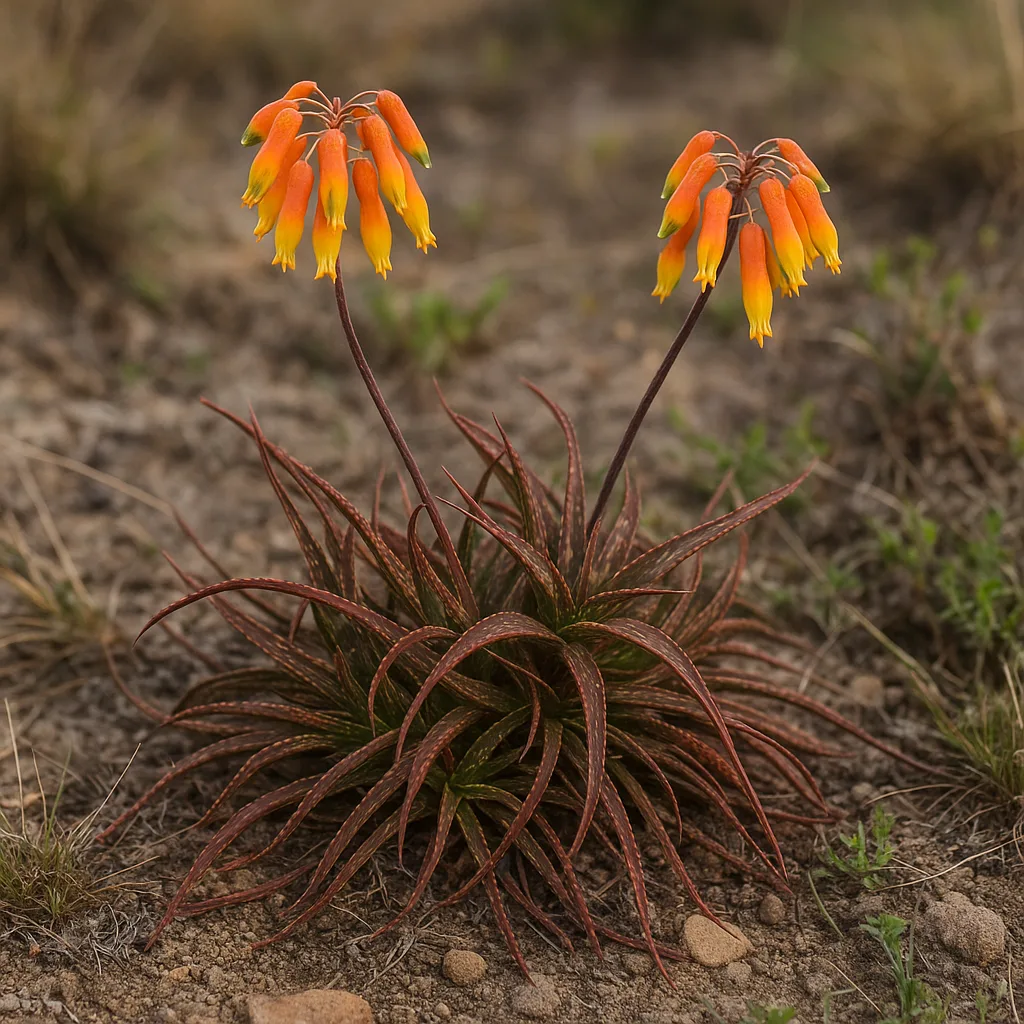
| Care difficulty | 2 / 5 |
|---|---|
| Watering schedule | Let gritty soil dry fully before each thorough watering cycle |
| Sunlight requirements | Full sun |
| Ideal temperature | Information to be completed |
| Soil type | Loam · Sand |
| Soil pH | Acid · Alkaline · Neutral |
| Soil moisture | Well drained |
| Fertilizing | Very dilute low-nitrogen succulent feed monthly in warm growth |
| Toxicity | Harmful if eaten. Wear gloves and other protective equipment when handling |
How to Water Baker aloe?
Let gritty soil dry fully before each thorough watering cycle
Learn more →What Are the Sunlight Requirements for Baker aloe?
Full sun
Learn more →What Is the Ideal Temperature Range for Baker aloe?

Information to be completed
Learn more →What Soil Is Best for Baker aloe?
- Soil type
- Loam · Sand
- Soil pH
- Acid · Alkaline · Neutral
What Are the Moisture Requirements for Baker aloe?
Well drained
Learn more →How to Fertilize Baker aloe?

Very dilute low-nitrogen succulent feed monthly in warm growth
Learn more →How to Prune Baker aloe?

No pruning required
Learn more →How to Propagate Baker aloe?

Propagate by seed sown with heat as soon as ripe or from offsets
Learn more →How to Transplant Baker aloe?
Information to be completed
Learn more →How to Care for Baker aloe in Winter?

Information to be completed
Learn more →How to Plant Baker aloe?
Grow under glass in a loam-based potting compost with added extra grit. Water moderately when in growth; very sparingly when dormant. Apply a balanced liquid fertiliser 2 or 3 times in the growing season
Learn more →How to Repot Baker aloe?
Information to be completed
Learn more →How to Harvest Baker aloe?

Information to be completed
Learn more →Common Pests & Diseases

Diseases
Generally disease-free
Pests
May be susceptible to scale insects and mealybugs
Explore the plant health library →The Toxicity of Baker aloe
Harmful if eaten. Wear gloves and other protective equipment when handling