



Planting and Growing begonia 'Dewdrop'

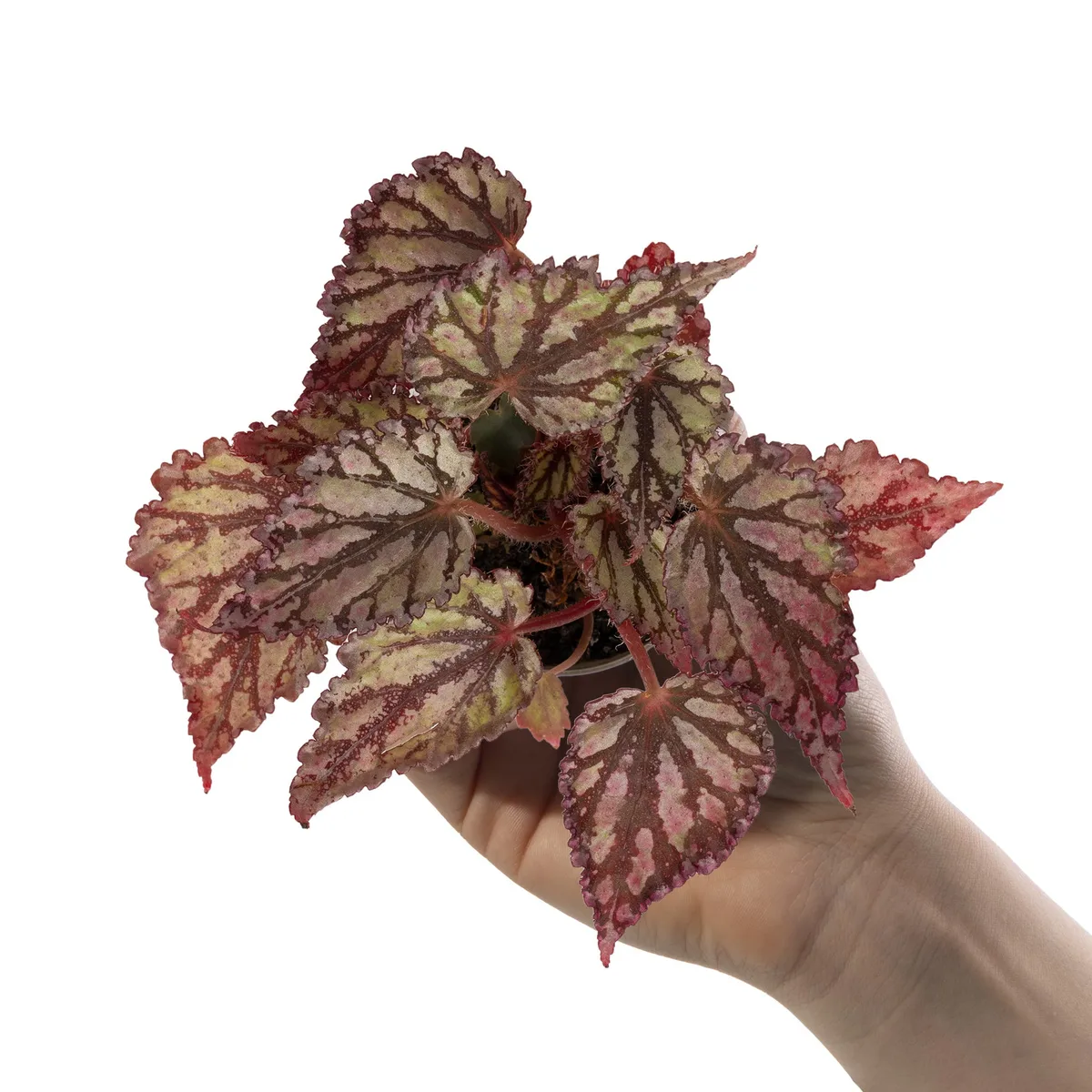
| Care difficulty | 2 / 5 |
|---|---|
| Watering schedule | Keep compost evenly moist with bright filtered light |
| Sunlight requirements | Partial shade |
| Ideal temperature | Information to be completed |
| Soil type | Chalk · Loam · Sand |
| Soil pH | Acid · Alkaline · Neutral |
| Soil moisture | Well drained |
| Fertilizing | Weak balanced feed every few weeks in growth season |
| Toxicity | Ornamental bulbs - not to be eaten. Wear gloves and other protective equipment when handling |
How to Water begonia 'Dewdrop'?
Keep compost evenly moist with bright filtered light
Learn more →What Are the Sunlight Requirements for begonia 'Dewdrop'?
Partial shade
Learn more →What Is the Ideal Temperature Range for begonia 'Dewdrop'?

Information to be completed
Learn more →What Soil Is Best for begonia 'Dewdrop'?
- Soil type
- Chalk · Loam · Sand
- Soil pH
- Acid · Alkaline · Neutral
What Are the Moisture Requirements for begonia 'Dewdrop'?
Well drained
Learn more →How to Fertilize begonia 'Dewdrop'?

Weak balanced feed every few weeks in growth season
Learn more →How to Prune begonia 'Dewdrop'?

No pruning required
Learn more →How to Propagate begonia 'Dewdrop'?

Cultivars should be propagated by leaf cuttings or sections of rhizome
Learn more →How to Transplant begonia 'Dewdrop'?
Information to be completed
Learn more →How to Care for begonia 'Dewdrop' in Winter?

Information to be completed
Learn more →How to Plant begonia 'Dewdrop'?
Grow under glass, in indirect light, or in frost-free environment. Mainly grown for foliage
Learn more →How to Repot begonia 'Dewdrop'?
Information to be completed
Learn more →How to Harvest begonia 'Dewdrop'?

Information to be completed
Learn more →Common Pests & Diseases

Diseases
May be susceptible to grey moulds, powdery mildews, stem rot and rhizome rot
Pests
May be susceptible to caterpillars, mealy bugs, mites, glasshouse thrips, vine weevil and aphids
Explore the plant health library →The Toxicity of begonia 'Dewdrop'
Ornamental bulbs - not to be eaten. Wear gloves and other protective equipment when handling