



Planting and Growing blue candle

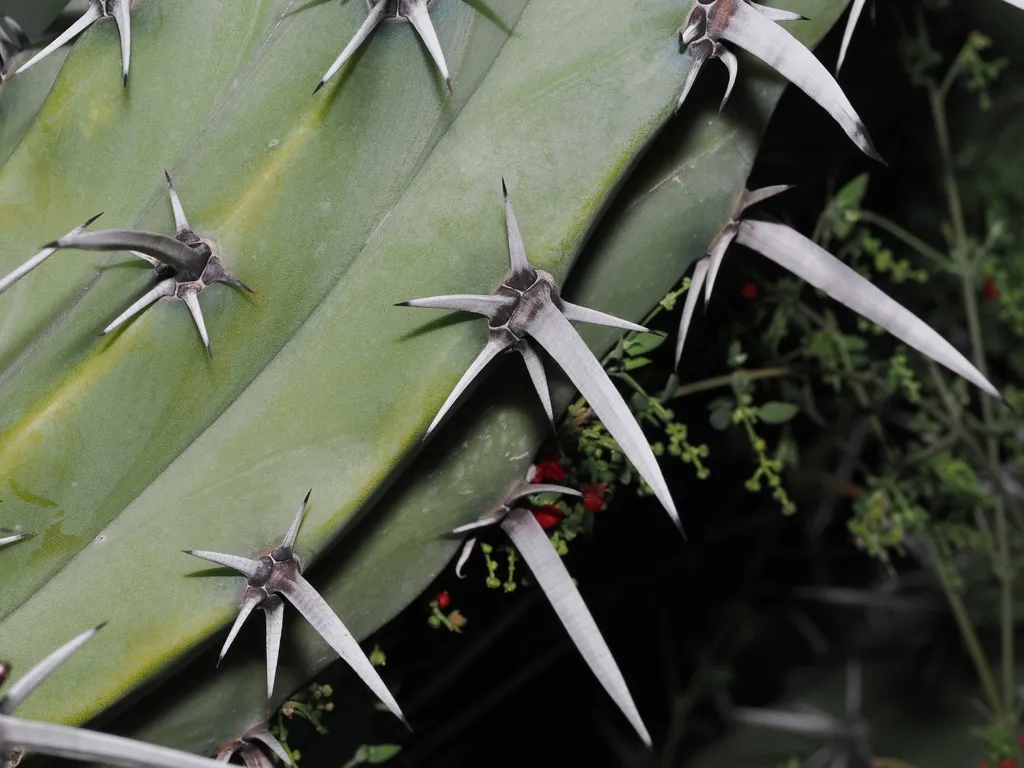
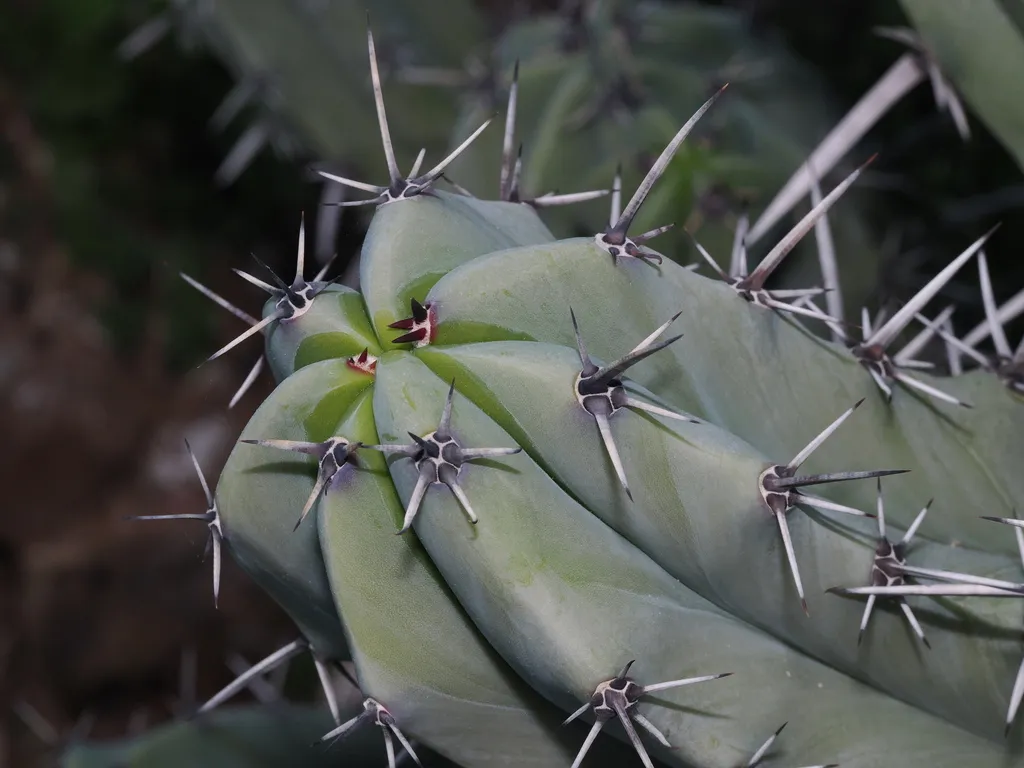
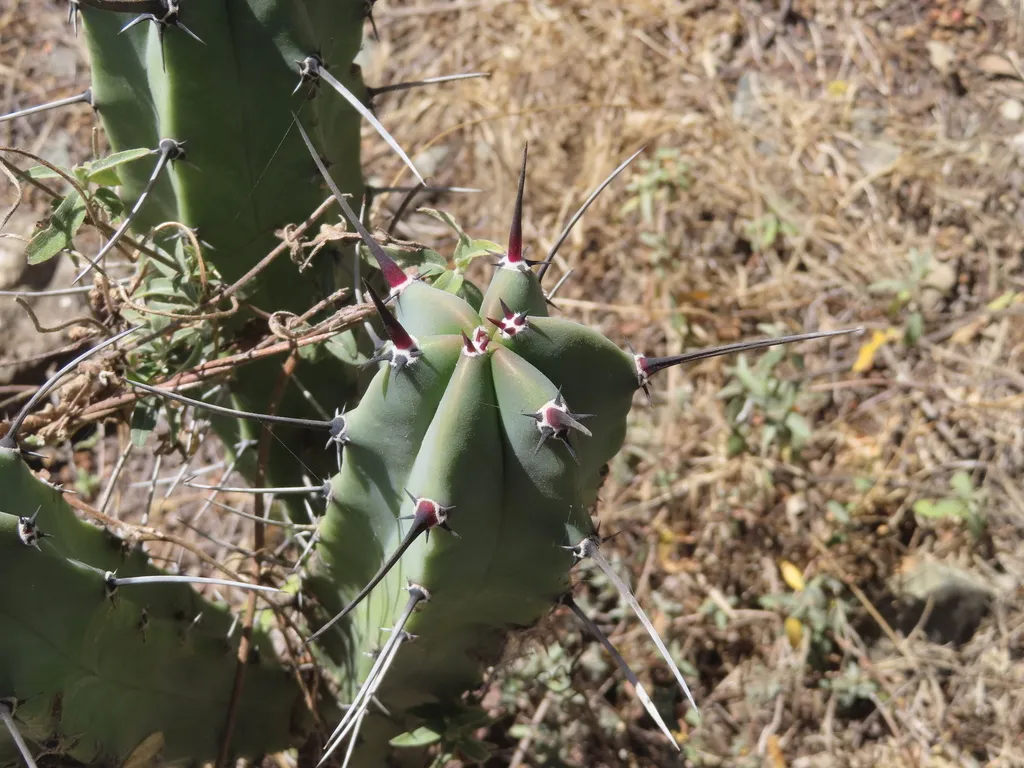
| Care difficulty | 2 / 5 |
|---|---|
| Watering schedule | Water only when substrate fully dry, minimal moisture retention needed |
| Sunlight requirements | Full sun |
| Ideal temperature | 18 – 28 °C |
| Soil type | Loam · Sand |
| Soil pH | Acid · Alkaline · Neutral |
| Soil moisture | Well drained |
| Fertilizing | Highly diluted low-nitrogen cactus feed monthly warm growth months |
| Toxicity | Information to be completed |
How to Water blue candle?
Originating from arid regions, bilberry cactus is adapted to environments with infrequent rainfall, storing water in its succulent structure to survive prolonged dry periods. This species thrives on minimal moisture and has a high drought tolerance, requiring only occasional watering once every three weeks to maintain its health. In its native habitat, bilberry cactus benefits from the sporadic heavy rains that punctuate long spells of drought. As an outdoor plant typically found in desert climates, bilberry cactus's growth cycle is attuned to the scarce precipitation, making it a resilient choice for xeriscaping.
Learn more →What Are the Sunlight Requirements for blue candle?
Bilberry cactus thrives in conditions with full sunlight, requiring this intensity for most of the day to maintain optimum health and vigor. The ideal span of exposure is between 6 to 8 hours of direct sun, enhancing photosynthesis and promoting a strong, structured growth. While bilberry cactus has a degree of tolerance for partial sun, prolonged periods without adequate light can result in leggy growth and a decrease in resilience. Outdoors, bilberry cactus should be positioned in spots that receive unfiltered sunlight. Its capacity to endure various light levels stems partially from its ability to adjust in high-light environments, sometimes signified by subtle color variations. This adaptation aids in maximizing the light absorbed for sustenance and growth.
Learn more →What Is the Ideal Temperature Range for blue candle?

Bilberry cactus exhibits notable resilience to temperature variations, enduring extremes from about 0℃ (32℉) to 43℃ (109℉). This range allows it to thrive in both cooler and hotter climates, though it is crucial to protect it from frost and prolonged heatwaves. Care implications include providing shade during scorching temperatures, and potential insulation or relocation to prevent frost damage. Symptoms of stress from cold include browning and mushy segments, while overheating may lead to yellowing and sunburn spots. Countermeasures involve relocating to a warmer environment during cold spells or ensuring adequate shading and hydration in excessive heat.
Learn more →What Soil Is Best for blue candle?
Bilberry cactus thrives in well-aerated soil with excellent drainage. A cactus and succulent mix is ideal. If unavailable, mix 2 parts sand, 2 parts potting soil, and 1 part perlite. Ensure good drainage by adding gravel at the bottom of the pot. Enhance growth with a slow-release cactus fertilizer applied in spring and summer.
- Soil type
- Loam · Sand
- Soil pH
- Acid · Alkaline · Neutral
What Are the Moisture Requirements for blue candle?
Well drained
Learn more →How to Fertilize blue candle?

To bolster bilberry cactus's growth, apply a balanced succulent and cacti fertilizer during active growth (spring-summer), monthly, following package instructions for quantity. Fertilizing enriches soil nutrients, encouraging robust growth and potential flowering. In dormancy (fall-winter), cease fertilization. Apply at soil level, avoiding direct contact with stems to prevent burn. For juvenile bilberry cactus, dilute fertilizer to half-strength for a gentle nutrient boost. With these tailored care steps, both novices and green thumbs can sustain bilberry cactus's vitality.
Learn more →How to Prune blue candle?

Bilberry cactus does not require much pruning. Remove withered flowers and branches so the plant uses nutrients on healthy growth.
Learn more →How to Propagate blue candle?

Native to the deserts of Mexico, bilberry cactus is well-regarded for its unique, columnar structure. This plant can be effectively propagated through division, where offsets growing at the base are carefully separated and replanted. It is essential to allow the cut end of an offset to callous over for a few days to prevent rotting when repotted in well-draining soil. Providing a stable environment with indirect light will encourage root and plant development, ensuring successful cultivation of the cactus.
Learn more →How to Transplant blue candle?
The perfect time for transplanting bilberry cactus is during the warm months, particularly from late spring till mid-summer, which ensures optimal growth. For successful transplanting, place bilberry cactus in a well-draining location receiving plenty of sunlight. Remember, a gentle touch is paramount when handling this delicate plant.
Learn more →How to Care for blue candle in Winter?

Bilberry cactus is an arid-region dweller, native to central and northern Mexico. Embodying resilience, it endures winters in this semi-desert ecosystem. It's the plant's built-in no-freeze policy, as temperatures must not dip below 25°F. Over winter, bilberry cactus enters a dormant state, needing less sunlight and water. Gardeners should transfer bilberry cactus indoors in colder climates or offer frost coverings as safeguard. Watch for clear signs of overwatering such as discolouration, an important winter-care tip to remember.
Learn more →How to Plant blue candle?
Indoors-potted: Ensure bilberry cactus has a well-draining pot to prevent root rot, which is common in less ventilated indoor environments. Outdoors-potted: Bilberry cactus thrives outdoors with more room for growth; rotate the pot monthly for even exposure and structural stability. Outdoors-in the ground: When planting bilberry cactus outside, allow space between plants as they can grow wide; proper spacing prevents fungal issues due to airflow restriction.
Learn more →How to Repot blue candle?
Repot bilberry cactus every 2-3 years during spring to accommodate its growth spurt. As a columnar cactus, bilberry cactus requires a deep container to support its vertical expansion and root system. Post-repotting, use a gritty soil mix in a pot 1-2 inches larger in diameter. Ensure minimal water for the first week to allow root settling, then gradually return to regular watering to foster robust recovery.
Learn more →How to Harvest blue candle?

Most fruits of bilberry cactus are edible. Pick the fruit when they turn red. Avoid food safety issues by confirming the species with experts. Wear gloves or use scissors and other tools to harvest.
Learn more →Common Pests & Diseases

Diseases
Generally disease-free
Pests
May be susceptible to mealybugs
Explore the plant health library →The Toxicity of blue candle
Information to be completed