



Planting and Growing wild daffodil

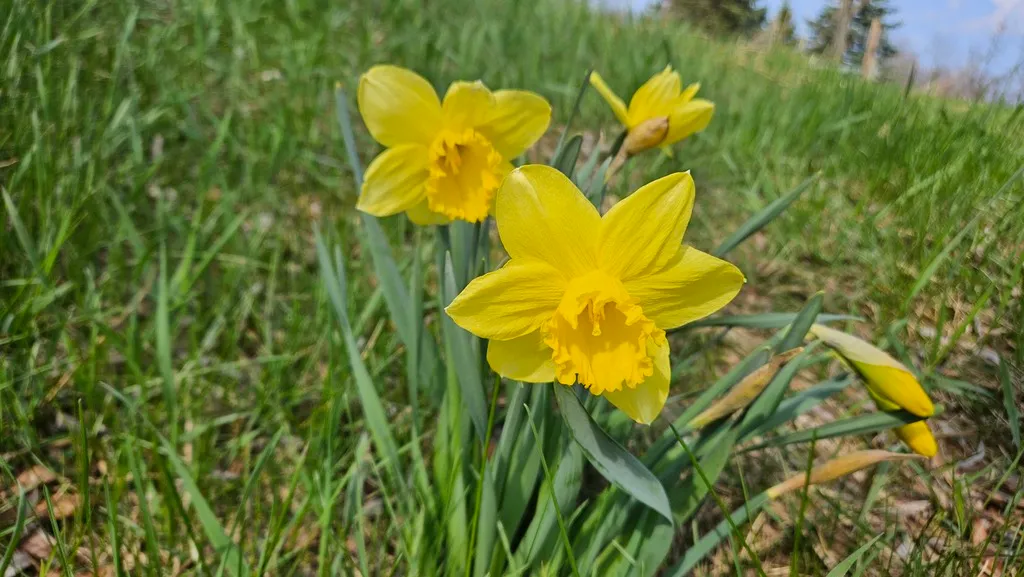
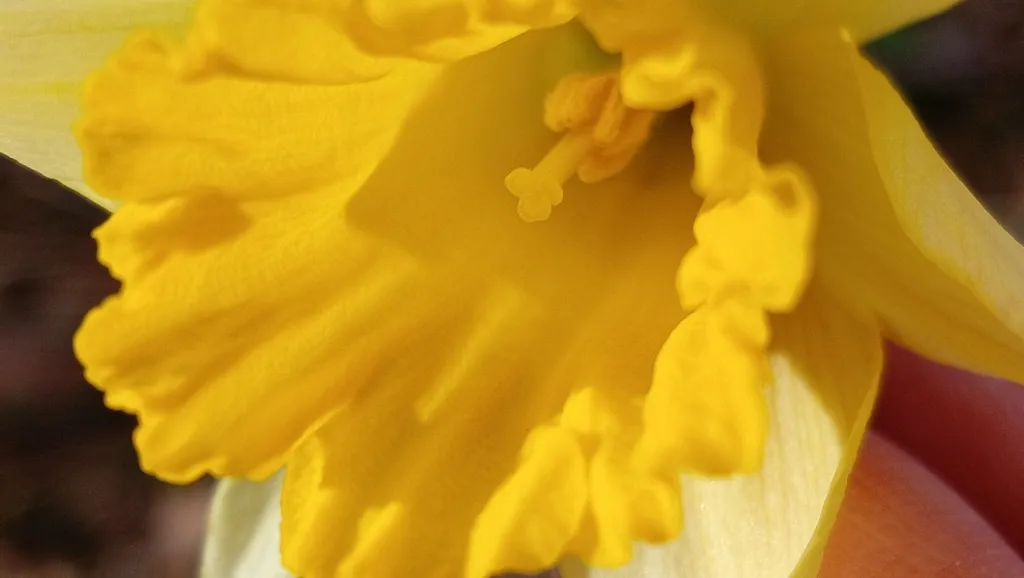
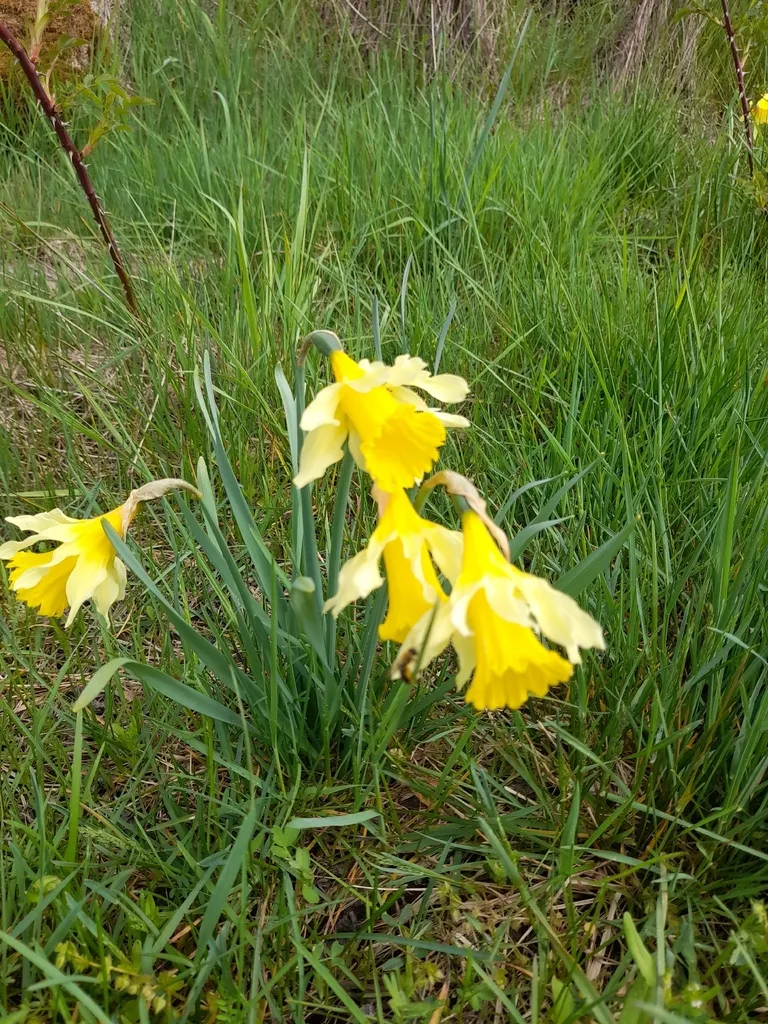
| Care difficulty | 2 / 5 |
|---|---|
| Watering schedule | Moist soil during active growth, then reduce watering after foliage yellows |
| Sunlight requirements | Full sun · Partial shade |
| Ideal temperature | 10 – 20 °C |
| Soil type | Chalk · Clay · Loam · Sand |
| Soil pH | Acid · Alkaline · Neutral |
| Soil moisture | Moist but well drained · Well drained |
| Fertilizing | Light bulb fertilizer at emergence and again after flowering |
| Toxicity | Harmful if eaten, skin irritant. Wear gloves and other protective equipment when handling] |
How to Water wild daffodil?
Adapted to the temperate climates, wild daffodil thrives with moderate moisture and is resilient against short periods of drought. Native to meadows and woods, it prefers consistent soil moisture without being waterlogged. For optimal growth, watering once every 1-2 weeks strikes the right balance. Typically grown outdoors, wild daffodil enters a period of dormancy after its spring flowering season; during this time, it requires less water, reflecting its adaptation to seasonal rainfall patterns.
Learn more →What Are the Sunlight Requirements for wild daffodil?
Wild daffodil thrives best under full sun conditions, where it can enjoy uninterrupted sunlight for the majority of the day. This exposure is crucial for its vigorous growth, optimal health, and maximal flowering potential. Although wild daffodil can tolerate partial sun, where light is filtered through canopy or is available for just part of the day, prolonged periods in such conditions might result in fewer blooms and reduced vitality. For outdoor cultivation, wild daffodil should be planted in locations that receive direct sunlight to fully harness its growth capabilities and floral display.
Learn more →What Is the Ideal Temperature Range for wild daffodil?

Wild daffodil exhibits robust temperature resilience, enduring cold to -20℃ (-4℉) and heat up to 41℃ (106℉). Its significant tolerance to cold makes it apt for regions with harsh winters, though severe freezing may necessitate mulching. During extreme heat, extra watering and partial shade can prevent overheating damage. Symptoms of overcooling include leaf yellowing and wilting, while overheating manifests as burnt or crispy leaves. Shield wild daffodil from harsh weather by adjusting sunlight exposure and hydration.
Learn more →What Soil Is Best for wild daffodil?
Wild daffodil thrives best in well-drained soil with good aeration to prevent water-logging. A suitable mix can be made by combining garden soil with equal parts of sand and compost. Ensure excellent drainage by placing a layer of gravel at the bottom of the pot. Enhance growth with a balanced fertilizer in early spring and mid-autumn. Avoid heavy clay soils or overly rich composts to maintain optimal conditions.
- Soil type
- Chalk · Clay · Loam · Sand
- Soil pH
- Acid · Alkaline · Neutral
What Are the Moisture Requirements for wild daffodil?
Moist but well drained · Well drained
Learn more →How to Fertilize wild daffodil?

For healthy growth and vibrant blooms, wild daffodil thrive with balanced nutrition fertilizers, applied bi-annually, complemented by high phosphorus types to support flowering. Begin in early spring and follow with a second application in late summer. Precise measurements are vital, adhering to manufacturer's guidelines to avoid over-fertilization. Seasonal variations influence wild daffodil's needs; less is required in dormant winter months. Utilize slow-release formulas for sustained nutrient delivery. Wear gloves and water wild daffodil post-fertilization for safety and effectiveness. Novice and experienced gardeners should always read labels for optimal results.
Learn more →How to Prune wild daffodil?

Wild daffodil is a perennial known for its vibrant yellow flowers and bulbous growth. Prune foliage post-bloom in early spring once it yellows, allowing bulb energy storage. Avoid cutting leaves while green to ensure future blooms. Deadheading spent flowers can direct energy to bulb growth. Maintain cleanliness by removing diseased or damaged parts to prevent infections. Pruning wild daffodil not only tidies up appearances but also promotes healthier blooms in the next cycle.
Learn more →How to Propagate wild daffodil?

A bulbous perennial, the wild daffodil thrives when propagated through division. Separating its bulb clusters gently ensures a thriving growth. Each division should contain a bit of the base plate to promote healthy roots. Careful handling of the bulbs is crucial to avoid damage. Plant divisions promptly in well-drained soil, providing adequate space for natural spreading. This method encourages a robust clonal colony, maintaining the unique charm and characteristics of wild daffodil.
Learn more →How to Transplant wild daffodil?
The perfect time to transplant wild daffodil is during mid to late spring when they're actively growing. Choose a partially shaded location with well-drained soil. When transplanting, provide ample space and keep root disturbance to a minimum.
Learn more →How to Plant wild daffodil?
Indoors-potted: To foster wild daffodil's vibrant blooms indoors, ensure a cool resting period post-flowering for rejuvenation. Outdoors-potted: Wild daffodil in outdoor pots require careful overwintering to protect their bulbs from freezing temperatures. Outdoors-in the ground: Wild daffodil thrives outdoors, naturalizing over time; plant clumps may need dividing every few years to maintain vigor.
Learn more →How to Repot wild daffodil?
Repotting wild daffodil should occur every 2-3 years. These bulbous perennials thrive in larger containers, allowing room for bulb expansion. Best done post-bloom in late spring to maintain the growth cycle. Choose a pot that accommodates future growth, with proper drainage. Post-repotting, water sparingly, and provide bright, indirect light for recovery. This care ensures wild daffodil's vibrant yellow blossoms return annually.
Learn more →How to Harvest wild daffodil?

Wild daffodil is very beautiful. When the flower buds are enlarged and the outer petals have just softened but not yet fully opened, you can cut them to enjoy in a vase. Use sharp garden shears to cut from the base of the flower stem and promptly put it in a vase filled with 2/3 clean water to avoid water loss. The vase life of these flowers is 7-15 days. If you want to extend their display period as much as possible, you can add some cut flower food and change the water every 3 days.
Learn more →Common Pests & Diseases

Diseases
May be susceptible to narcissus basal rot, narcissus leaf scorch or daffodil viruses
Pests
May be susceptible to slugs, narcissus bulb fly, narcissus eelworm, and bulb scale mite
Explore the plant health library →Troubleshooting
Yellowing Leaves, Dormancy Dieback, or Underground Rot
wild daffodil (Narcissus pseudonarcissus) grows from perennial bulbs with distinct active and resting phases; distinguish natural seasonal dormancy from waterlogged rot.
| What you notice | Possible explanation | What to check next |
|---|---|---|
| Leaves turn yellow and die back after blooming or at season's end while underground storage organs remain firm | Normal post-bloom or seasonal dormancy as energy returns underground | Gently feel the crown or rhizome/bulb top to verify it is hard and dry rather than mushy |
| Leaves yellow prematurely and collapse with a soft, foul-smelling base | Basal rot or rhizome rot caused by waterlogged soil during cool weather or dormancy | Check drainage and inspect underground storage organs for soft decay |
| Leafy clumps emerge in spring without flower buds ('blind' bulbs) | Cutting or tying foliage too early after previous bloom, shallow planting, or overcrowded bulbs | Check planting depth and clump density |
- Keep green foliage growing after flowering—continuing light watering and feeding until leaves yellow naturally—so underground storage organs recharge for next season.
- Reduce watering sharply once foliage yellows into dormancy, keeping dormant storage organs frost-free.
- Plant bulbs in autumn at 1.5 to 2 times their own depth in well-drained soil in full sun to partial shade, and allow foliage to yellow naturally for at least 6 weeks after blooming.
Discard bulbs, corms, or rhizomes with soft, foul-smelling rot immediately so disease does not spread.
Never store Narcissus bulbs near edible onions or garlic—the bulbs are toxic and easily confused in storage.
Spider Mites, Aphids, or Leaf Scorch
Warm indoor rooms and dry summer heat can invite spider mites or scorch leaves if moisture and light fluctuate abruptly.
| What you notice | Possible explanation | What to check next |
|---|---|---|
| Fine webbing, pale stippling, or bronzed leaf undersides | Spider mites or aphids, especially in warm dry indoor/conservatory air | Inspect leaf undersides closely and wipe with a damp cloth |
| Dry brown leaf margins or bleached patches | Low ambient humidity, dry soil during peak heat, or sudden direct midday sun | Check soil moisture and afternoon shade protection |
- Water consistently during warm active growth and maintain good humidity around indoor or container specimens.
- Isolate pest-affected containers, rinse leaf undersides gently with water, and treat persistent spider mites or aphids with insecticidal soap per label instructions.
- Divide overcrowded clumps as active growth resumes in spring (or late summer/early autumn for Narcissus).
Ensure containers have open drainage holes and never sit in stagnant water during cool weather.
The Toxicity of wild daffodil
Harmful if eaten, skin irritant. Wear gloves and other protective equipment when handling]