



Planting and Growing Japanese maple 'Pixie'

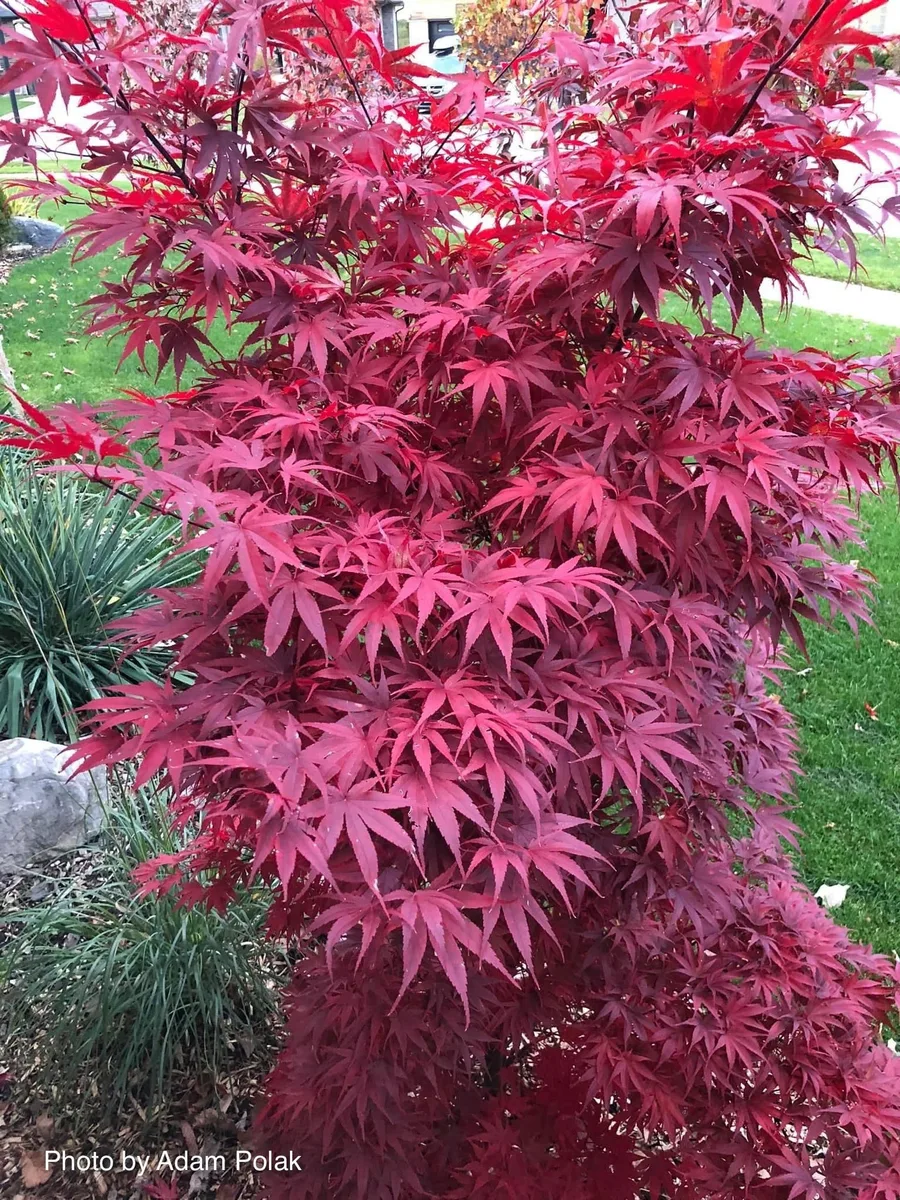
| Care difficulty | 2 / 5 |
|---|---|
| Watering schedule | Deep seasonal watering, limit irrigation quantity through cold winter |
| Sunlight requirements | Partial shade |
| Ideal temperature | Information to be completed |
| Soil type | Clay · Loam · Sand |
| Soil pH | Acid · Alkaline · Neutral |
| Soil moisture | Moist but well drained |
| Fertilizing | Dwarf maple tree balanced feed applied once per early spring |
| Toxicity | Information to be completed |
How to Water Japanese maple 'Pixie'?
Deep seasonal watering, limit irrigation quantity through cold winter
Learn more →What Are the Sunlight Requirements for Japanese maple 'Pixie'?
Partial shade
Learn more →What Is the Ideal Temperature Range for Japanese maple 'Pixie'?

Information to be completed
Learn more →What Soil Is Best for Japanese maple 'Pixie'?
- Soil type
- Clay · Loam · Sand
- Soil pH
- Acid · Alkaline · Neutral
What Are the Moisture Requirements for Japanese maple 'Pixie'?
Moist but well drained
Learn more →How to Fertilize Japanese maple 'Pixie'?

Dwarf maple tree balanced feed applied once per early spring
Learn more →How to Prune Japanese maple 'Pixie'?

Little pruning is needed. Remove diseased, damaged, crowded or crossing shoots and unwanted growth. Timing depends on the plant: generally late winter or early spring; plants prone to bleeding and deciduous magnolias need different timing, and deciduous azaleas and lilacs are pruned after flowering.
Learn more →How to Propagate Japanese maple 'Pixie'?

Propagate by semi-hardwood cuttings or by layering
Learn more →How to Transplant Japanese maple 'Pixie'?
Information to be completed
Learn more →How to Care for Japanese maple 'Pixie' in Winter?

Information to be completed
Learn more →How to Plant Japanese maple 'Pixie'?
Grows best in slightly acidic, humus-rich, well-drained soil, but tolerates most soils if improved with well-rotted organic matter. Hot, dry air, cold wind and late frost may cause leaf scorching. Mulch in autumn to protect shallow roots from cold and drying out. See Japanese maple cultivation
Learn more →How to Repot Japanese maple 'Pixie'?
Information to be completed
Learn more →How to Harvest Japanese maple 'Pixie'?

Information to be completed
Learn more →Common Pests & Diseases

Diseases
May be susceptible to Verticillium wilt, Acer leaf scorch and honey fungus
Pests
May be susceptible to Acer gall mite, aphids, caterpillars and horse chestnut scale
Explore the plant health library →The Toxicity of Japanese maple 'Pixie'
Information to be completed