



Planting and Growing sweet basil

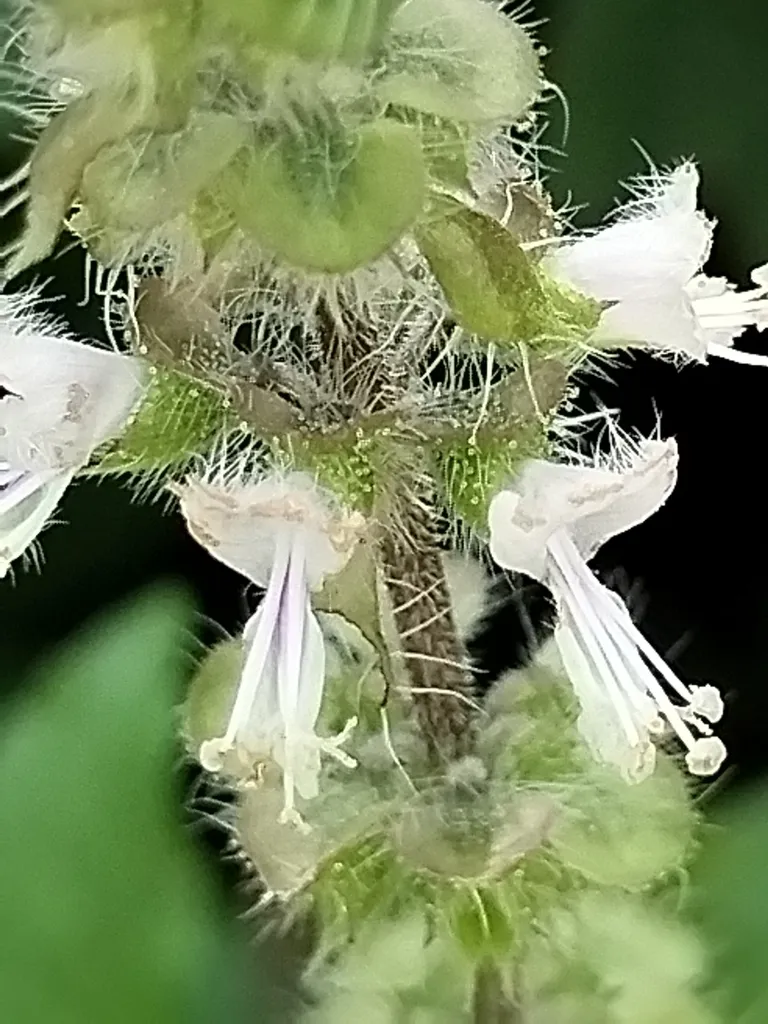
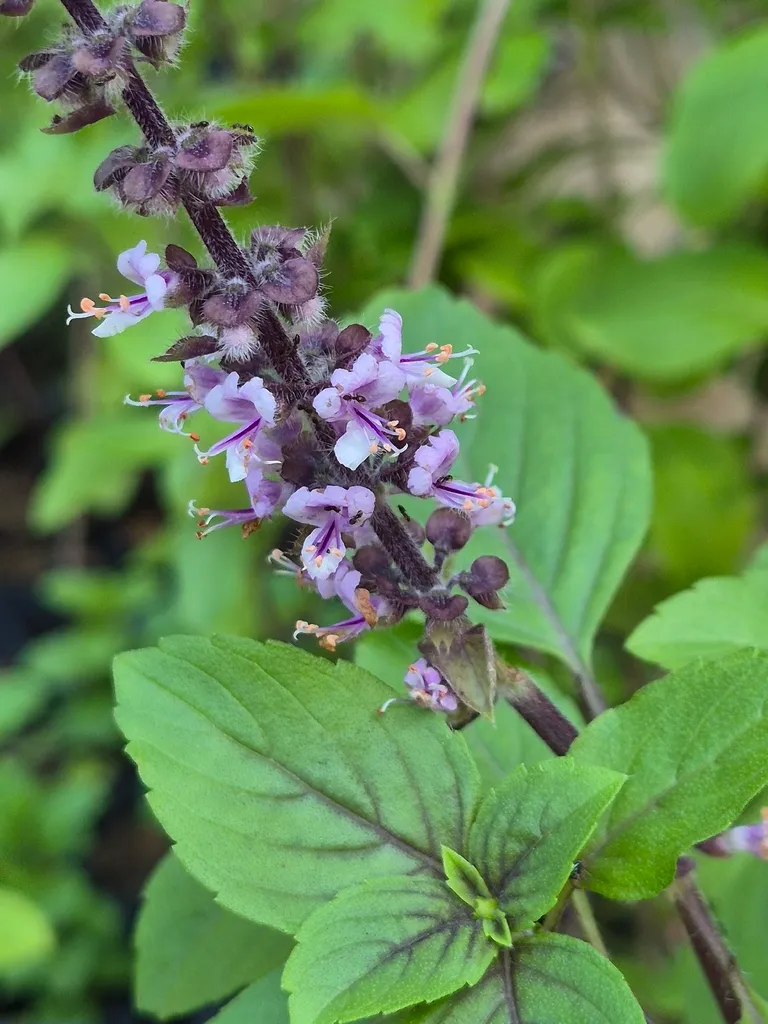
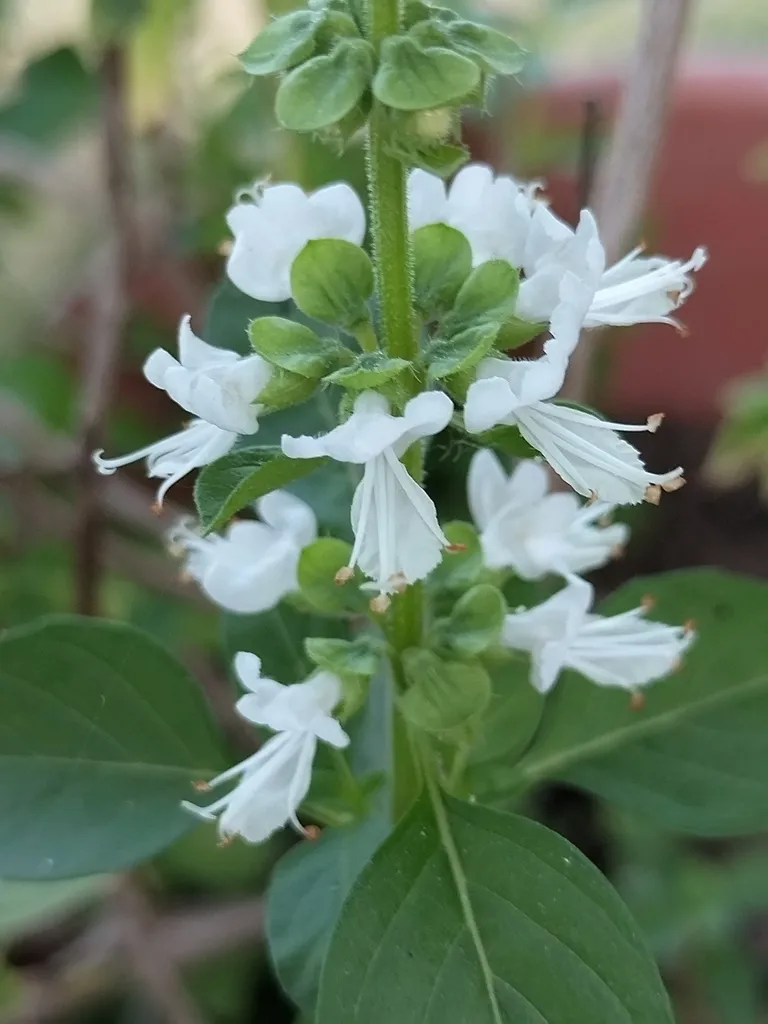
| Care difficulty | 2 / 5 |
|---|---|
| Watering schedule | Water when top inch of soil dries out |
| Sunlight requirements | Full sun |
| Ideal temperature | 20 – 30 °C |
| Soil type | Loam · Sand |
| Soil pH | Acid · Alkaline · Neutral |
| Soil moisture | Well drained |
| Fertilizing | Every 4 weeks with balanced liquid fertilizer |
| Toxicity | Information to be completed |
How to Water sweet basil?
Thriving in its native tropical climate, sweet basil demands consistent moisture to support its lush foliage. As a lover of humidity, sweet basil is moderately drought-tolerant but flourishes when the soil remains slightly damp. To mimic its preferred conditions, watering should occur twice a week. Cultivated primarily as an aromatic herb indoors, sweet basil benefits greatly from being placed in well-draining soil that complements its water needs during active growth periods.
Learn more →What Are the Sunlight Requirements for sweet basil?
Sweet basil thrives in partial sun conditions, flourishing with around 6-8 hours of light each day. This level of light maximizes its growth and ensures a robust flavor profile. Sweet basil is quite adaptable, tolerating full sun scenarios which enhance essential oil production and intensify flavor. Conversely, sweet basil can endure full shade, although this may lead to leggy plants and reduced vigor. Outdoors, sweet basil fares best in spots where morning light is abundant and afternoon light is diffused. When considering an indoor environment, sweet basil should be placed in a bright area, ideally a south-facing window, to mimic its preferred outdoor setting.
Learn more →What Is the Ideal Temperature Range for sweet basil?

Sweet basil is native to Tropical Asia and likes a warm and humid environment. It is more resistant to heat than cold, and to drought than waterlogging. The optimum growth temperature is between 22 to 28 ℃ in the daytime and 13 to 18 ℃ at night. The leaves will turn yellow if the ambient temperature is lower than 13 ℃. Damage may be caused to the plant if the temperature is lower than 10 ℃, and the leaves will droop if the temperature is higher than 35 ℃.
Learn more →What Soil Is Best for sweet basil?
Sweet basil is a deep-rooted plant, with the roots growing up to 51 to 102 cm deep. Therefore, well-drained, fertile, loose sandy loam or humus soil is the best culture soil. Potted plants can be planted in a mixed culture of peat and vermiculite at 2:1, or garden soil and fully decomposed organic fertilizer at 2:1. Sweet basil does not have strict requirements on soil conditions. It can be planted in both acid and alkaline soil and can tolerate pH values of 5-8, but neutral soil is the best.
- Soil type
- Loam · Sand
- Soil pH
- Acid · Alkaline · Neutral
What Are the Moisture Requirements for sweet basil?
Well drained
Learn more →How to Fertilize sweet basil?

Fertilizing sweet basil is key for luxuriant growth and ample foliage. Use balanced nutrition fertilizers early on, switching to high-nitrogen ones to support leaf production. Apply every 4-6 weeks at quarter strength, ensuring not to overfeed. During peak growth in warm seasons, increase frequency marginally. Dilute and spread evenly around the plant's base, avoiding direct contact with stems or leaves. Monitor for signs of over-fertilization, such as brown leaf tips, and adjust use accordingly. For healthy sweet basil, less is often more with fertilization.
Learn more →How to Prune sweet basil?

Known for its aromatic leaves, sweet basil thrives with regular pruning to promote bushier growth and prevent flowering. It's best to prune in early to late spring when new growth begins. Pinch off the top sets of leaves every few weeks, cutting just above a node, to encourage lateral branching. Removing flower buds promptly directs energy back to foliage. Consistent pruning improves air circulation, reduces disease risk, and extends the harvest period, enhancing overall plant health and productivity.
Learn more →How to Propagate sweet basil?

Sweet basil thrives when propagated through cuttings, as it ensures the new plants inherit the parent's desirable traits. For successful propagation, one should select healthy, non-flowering shoots and make a clean cut just below a node. It's important to strip the lower leaves and place the stem in either water or a moist, well-draining soil mixture. Rooting hormone can enhance root development, though sweet basil typically roots well without it. Once roots establish, transplant the young sweet basil to individual pots, maintaining adequate moisture and indirect light to foster growth.
Learn more →How to Transplant sweet basil?
The best time to transplant sweet basil is mid to late spring or mid to late fall, when temperatures are milder, ensuring optimal growth. Choose a sunny, well-draining location for sweet basil and be gentle with its delicate roots during the transplantation process.
Learn more →How to Care for sweet basil in Winter?

Information to be completed
Learn more →How to Plant sweet basil?
Indoors-potted: For sweet basil thriving indoors, ensure regular pruning to promote bushy growth and prevent legginess, especially when grown for its lush foliage. Outdoors-potted: Sweet basil enjoys the freedom of outdoor pots, but beware of overcrowding—this can hinder its aromatic potential used in culinary delights. Outdoors-in the ground: In the garden, sweet basil requires ample space to flourish. Dense planting may lead to poor air circulation, impacting its vibrant leaves.
Learn more →How to Repot sweet basil?
Needs excellent drainage in pots.
Learn more →How to Harvest sweet basil?

Sweet basil can be used as an ornamental plant or picked as a fragrant herb to cook with at any time. Its leaves can be harvested before flowers bloom. Cut leaves with a small knife and try to avoid damaging the roots. Its leaves can be used in cold dishes or salads, or to remove the fishy taste of seafood, and dried leaves can be used as a spice. Its stem, leaves, and flowers can be harvested before blooming. They can be used to extract essential oils. It is best to harvest them at 9:00-17:00 after 2-3 consecutive sunny days. Its seeds are generally be harvested in late summer.
Learn more →Common Pests & Diseases

Diseases
May be susceptible to powdery mildews
Pests
May be susceptible to aphids, slugs, snails and sage leafhopper
Explore the plant health library →The Toxicity of sweet basil
Information to be completed