



Planting and Growing bergamot 'Sagittarius'

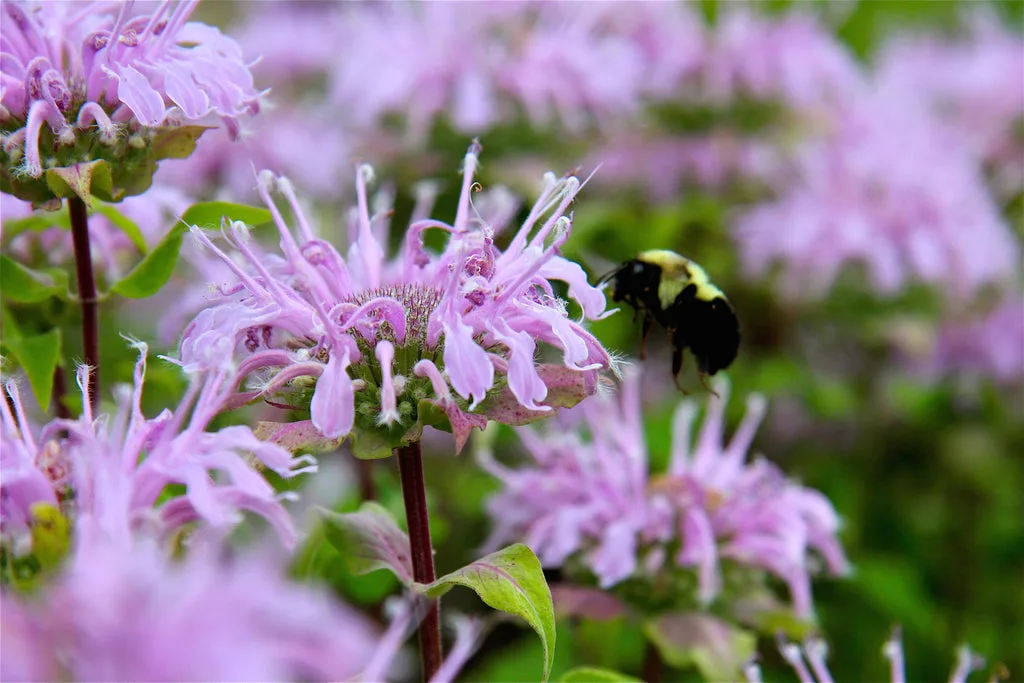
| Care difficulty | 2 / 5 |
|---|---|
| Watering schedule | Keep soil evenly moist, especially in summer heat |
| Sunlight requirements | Full sun · Partial shade |
| Ideal temperature | Information to be completed |
| Soil type | Loam |
| Soil pH | Acid · Alkaline · Neutral |
| Soil moisture | Moist but well drained |
| Fertilizing | Balanced feed in spring and after first bloom |
| Toxicity | Information to be completed |
How to Water bergamot 'Sagittarius'?
Keep soil evenly moist, especially in summer heat
Learn more →What Are the Sunlight Requirements for bergamot 'Sagittarius'?
Full sun · Partial shade
Learn more →What Soil Is Best for bergamot 'Sagittarius'?
- Soil type
- Loam
- Soil pH
- Acid · Alkaline · Neutral
What Are the Moisture Requirements for bergamot 'Sagittarius'?
Moist but well drained
Learn more →How to Fertilize bergamot 'Sagittarius'?

Balanced feed in spring and after first bloom
Learn more →How to Prune bergamot 'Sagittarius'?

Deadhead regularly to encourage more flowers. Cut stems down to the ground in autumn, or leave seed heads for winter structure
Learn more →How to Propagate bergamot 'Sagittarius'?

Propagate by basal softwood cuttings or by division in early spring
Learn more →How to Plant bergamot 'Sagittarius'?
Grow in moderately fertile, moist but well-drained soil in full sun or light shade. Protect from excessive winter wet and do not allow to dry out in summer. Divide regularly to maintain airflow and vigour
Learn more →Common Pests & Diseases

Diseases
May be susceptible to powdery mildews and rust diseases
Pests
May be susceptible to slugs and to leaf and bud eelworms
Explore the plant health library →