



Planting and Growing annual grass

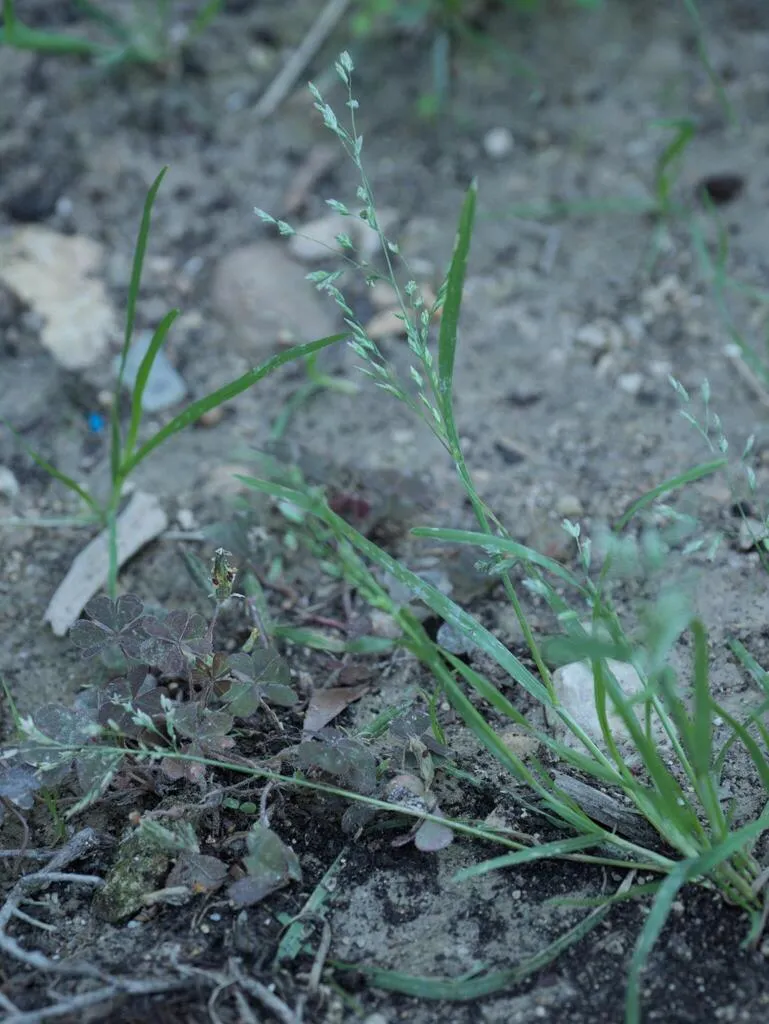
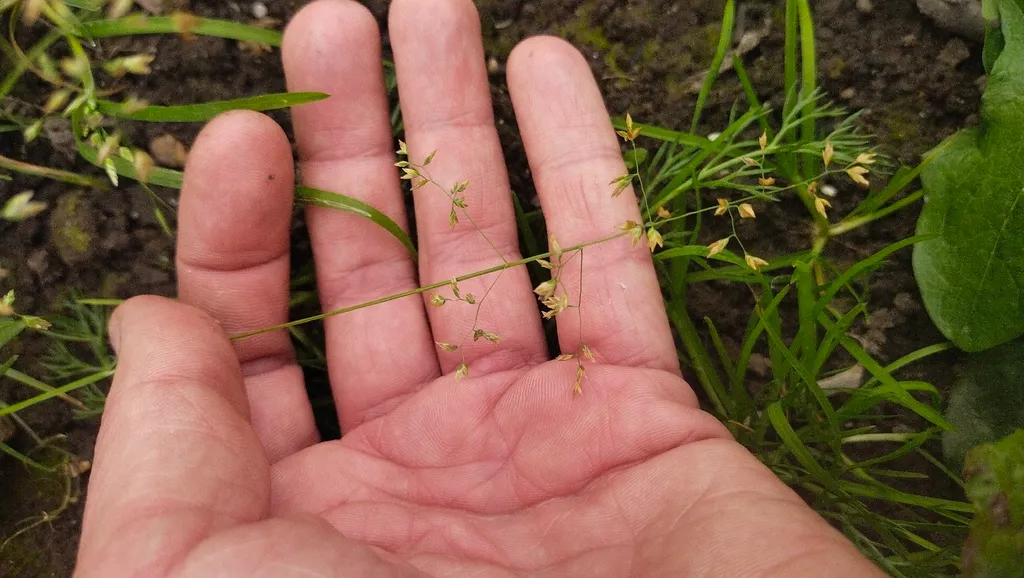
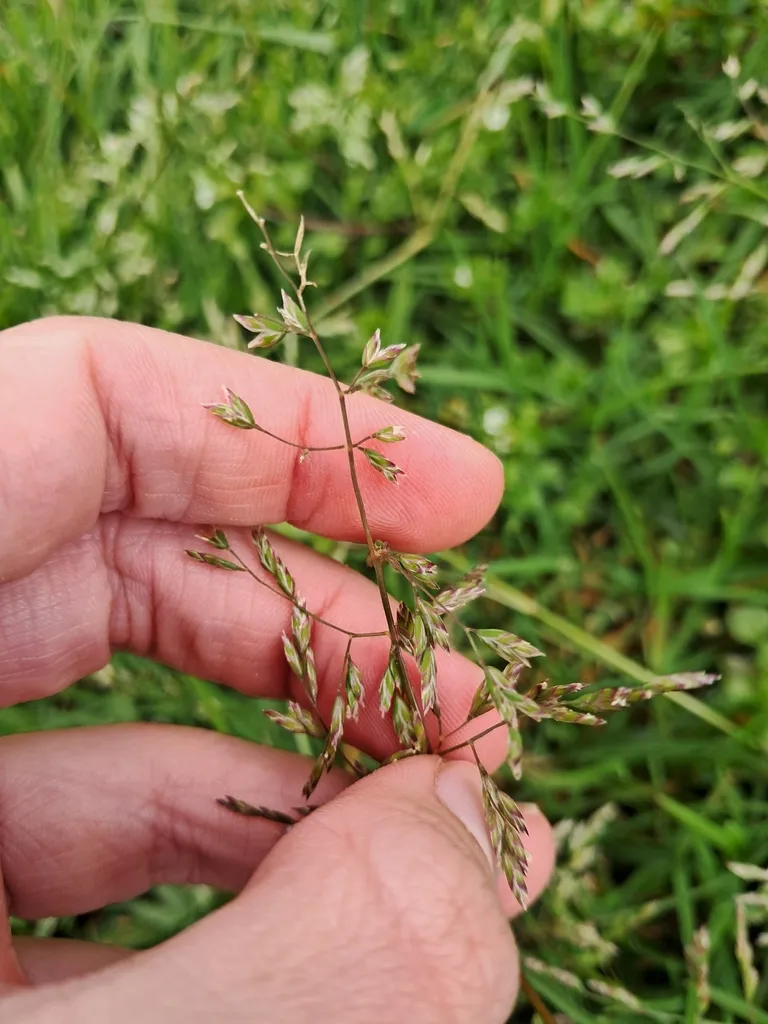
| Care difficulty | 2 / 5 |
|---|---|
| Watering schedule | Moderate regular watering, allowing brief slight drying between soakings |
| Sunlight requirements | Full sun · Partial shade |
| Ideal temperature | Information to be completed |
| Soil type | Chalk · Clay · Loam · Sand |
| Soil pH | Neutral · Alkaline |
| Soil moisture | Moist but well drained · Poorly drained · Well drained |
| Fertilizing | Balanced perennial feed every four weeks from spring through summer |
| Toxicity | Information to be completed |
How to Water annual grass?
Moderate regular watering, allowing brief slight drying between soakings
Learn more →What Are the Sunlight Requirements for annual grass?
Full sun · Partial shade
Learn more →What Soil Is Best for annual grass?
- Soil type
- Chalk · Clay · Loam · Sand
- Soil pH
- Neutral · Alkaline
What Are the Moisture Requirements for annual grass?
Moist but well drained · Poorly drained · Well drained
Learn more →How to Fertilize annual grass?

Balanced perennial feed every four weeks from spring through summer
Learn more →How to Prune annual grass?

Seedlings are shallow rooted and may be removed by hoeing on bare soil
Learn more →How to Propagate annual grass?

Propagate by seed, produced prolifically throughout the growing season. In temperate climates seeds germinate in late summer and autumn, and the plant overwinters to flower in spring. Seeds can remain viable in the soil for at least four years
Learn more →How to Plant annual grass?
Grows well in moist conditions on any soil that isn't too acidic. In lawns, lightly raking before mowing will lift the stems for cutting. See advice on coarse grasses in lawns for more detail.
Learn more →Common Pests & Diseases

Diseases
Generally disease-free
Pests
Generally pest-free
Explore the plant health library →