



Planting and Growing common chickweed

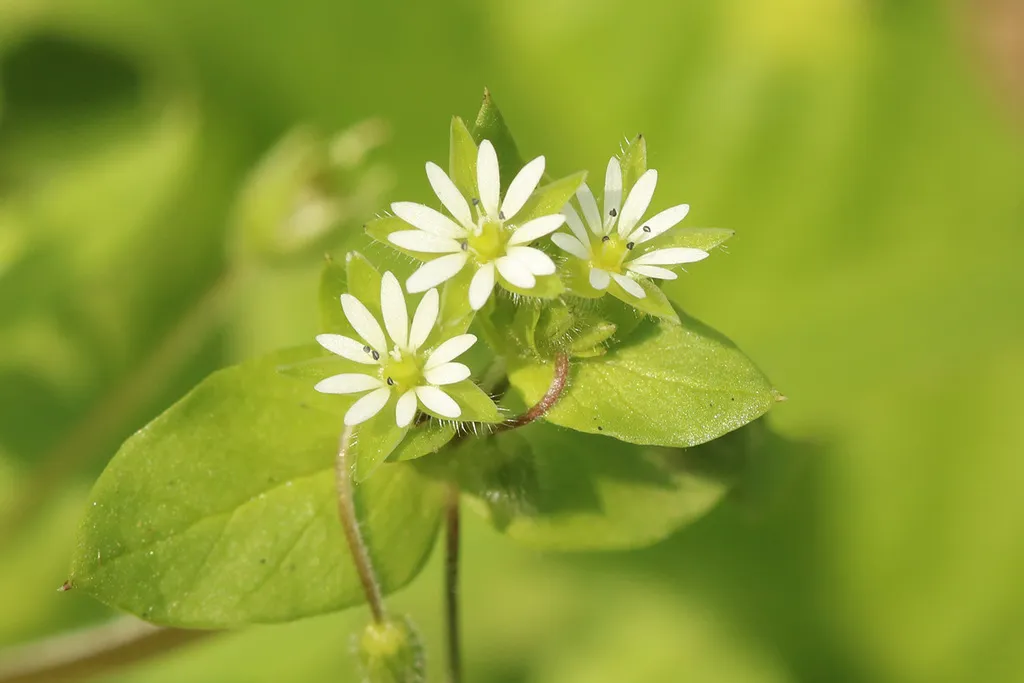
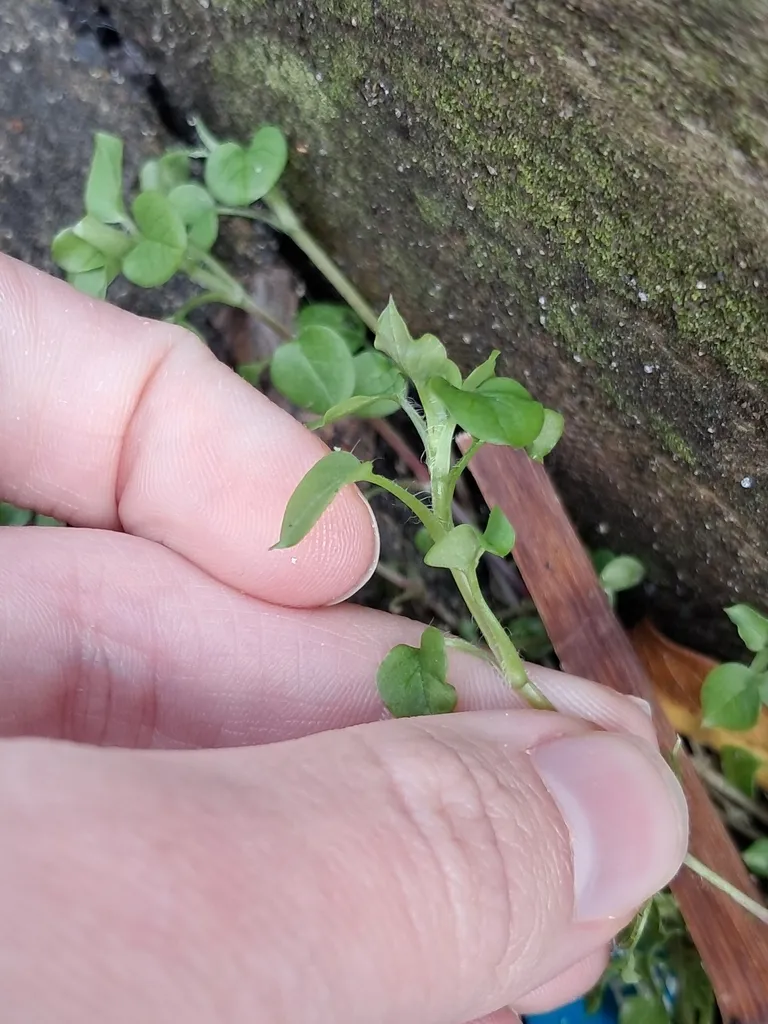
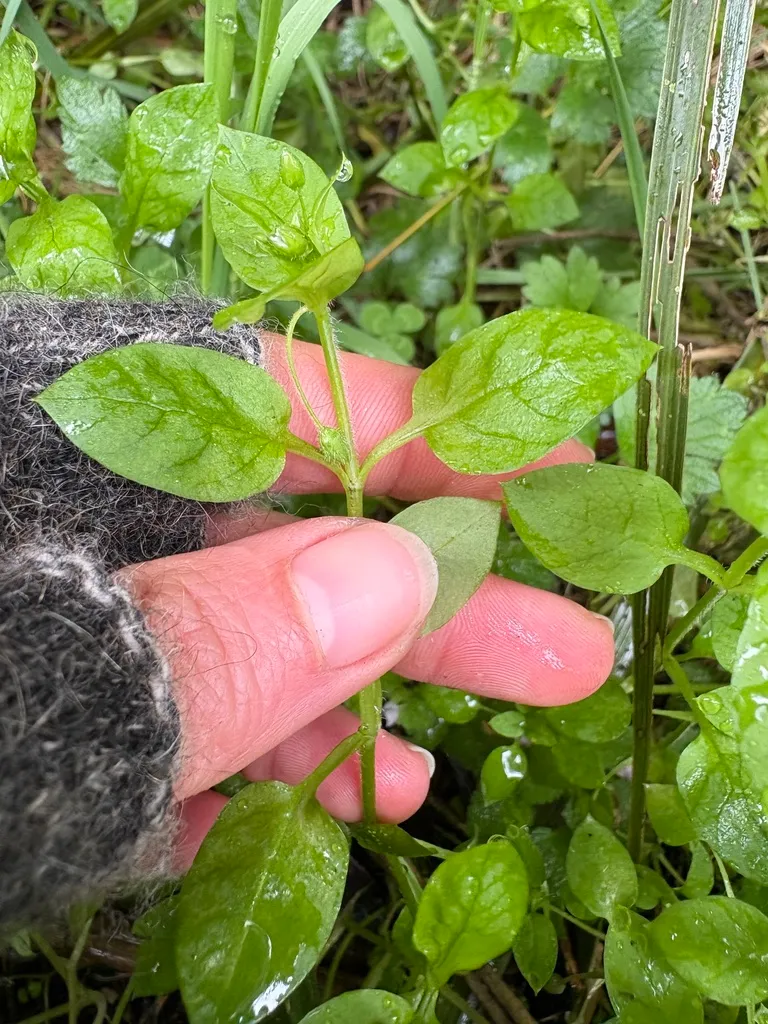
| Care difficulty | 1 / 5 |
|---|---|
| Watering schedule | Moderate regular watering, allowing brief slight drying between soakings |
| Sunlight requirements | Full sun · Partial shade |
| Ideal temperature | Information to be completed |
| Soil type | Chalk · Clay · Loam · Sand |
| Soil pH | Acid · Alkaline · Neutral |
| Soil moisture | Moist but well drained · Well drained |
| Fertilizing | Balanced perennial feed every four weeks from spring through summer |
| Toxicity | Information to be completed |
How to Water common chickweed?
Moderate regular watering, allowing brief slight drying between soakings
Learn more →What Are the Sunlight Requirements for common chickweed?
Full sun · Partial shade
Learn more →What Soil Is Best for common chickweed?
- Soil type
- Chalk · Clay · Loam · Sand
- Soil pH
- Acid · Alkaline · Neutral
What Are the Moisture Requirements for common chickweed?
Moist but well drained · Well drained
Learn more →How to Fertilize common chickweed?

Balanced perennial feed every four weeks from spring through summer
Learn more →How to Prune common chickweed?

No pruning required
Learn more →How to Propagate common chickweed?

Produces vast quantities of seed per individual plant and these are distributed easily via top soil, animal droppings, and human feet. The seed will remain viable for up to 25 years within the soil, germinating easily when brought to the surface
Learn more →How to Plant common chickweed?
Grows naturally in cultivated ground and open areas and is a frequent garden weed in garden beds and borders, with the potential to become a nuisance. See chickweed for further advice
Learn more →Common Pests & Diseases

Diseases
Generally disease-free
Pests
Generally pest-free
Explore the plant health library →