



Planting and Growing oregano

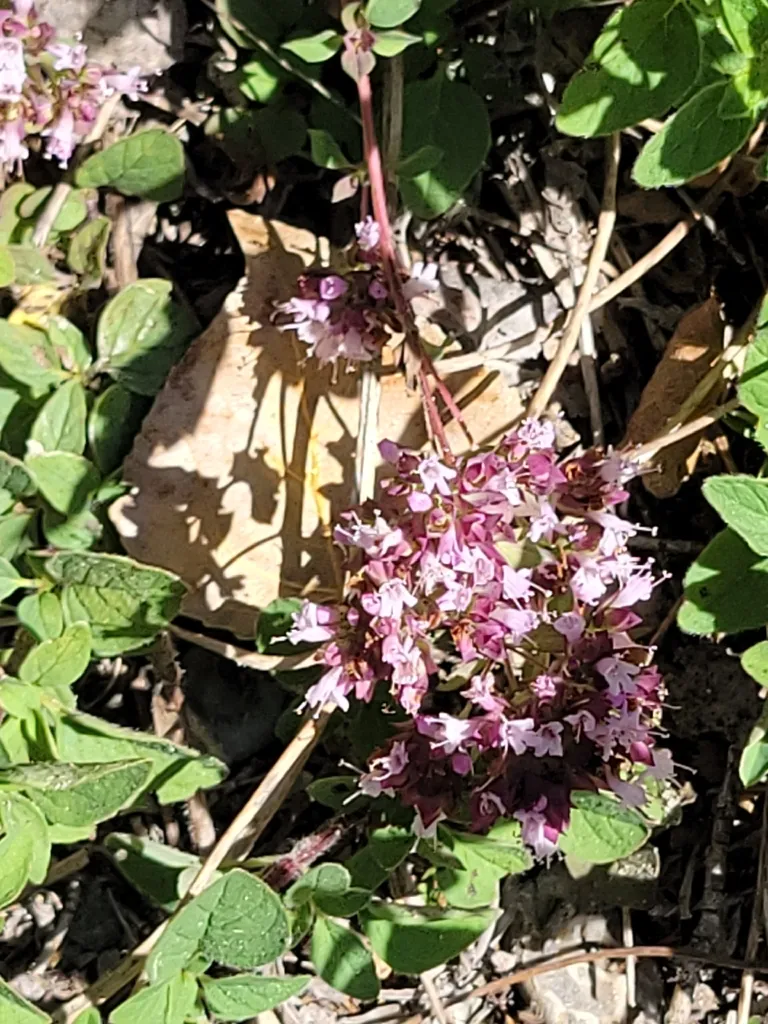
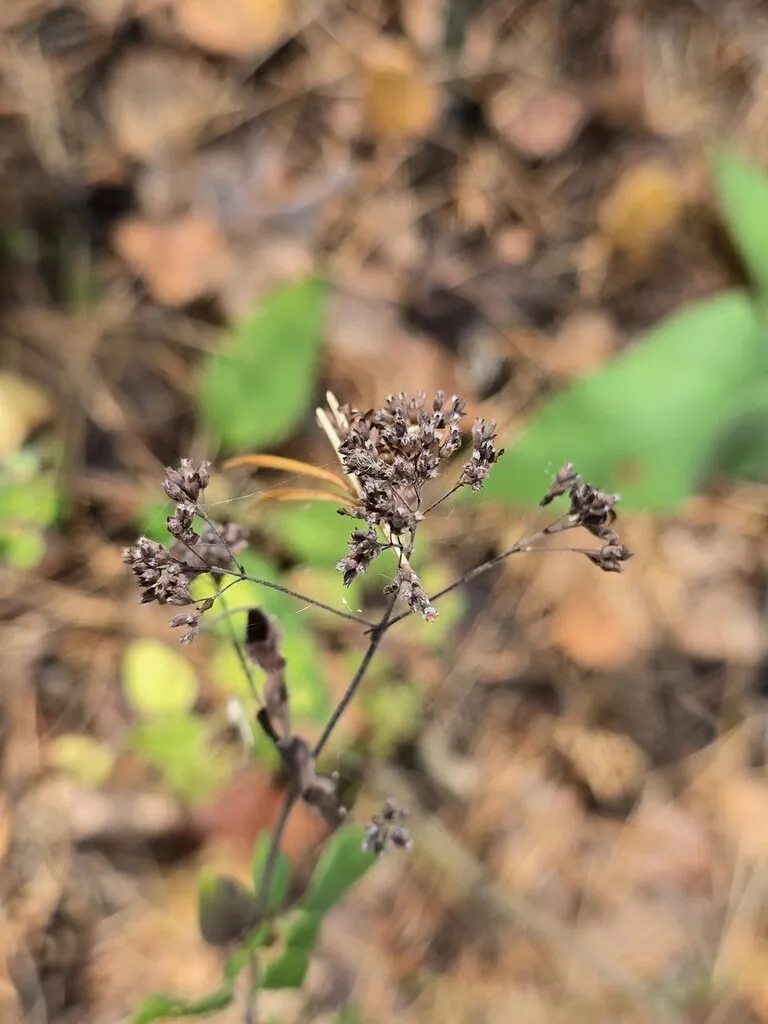
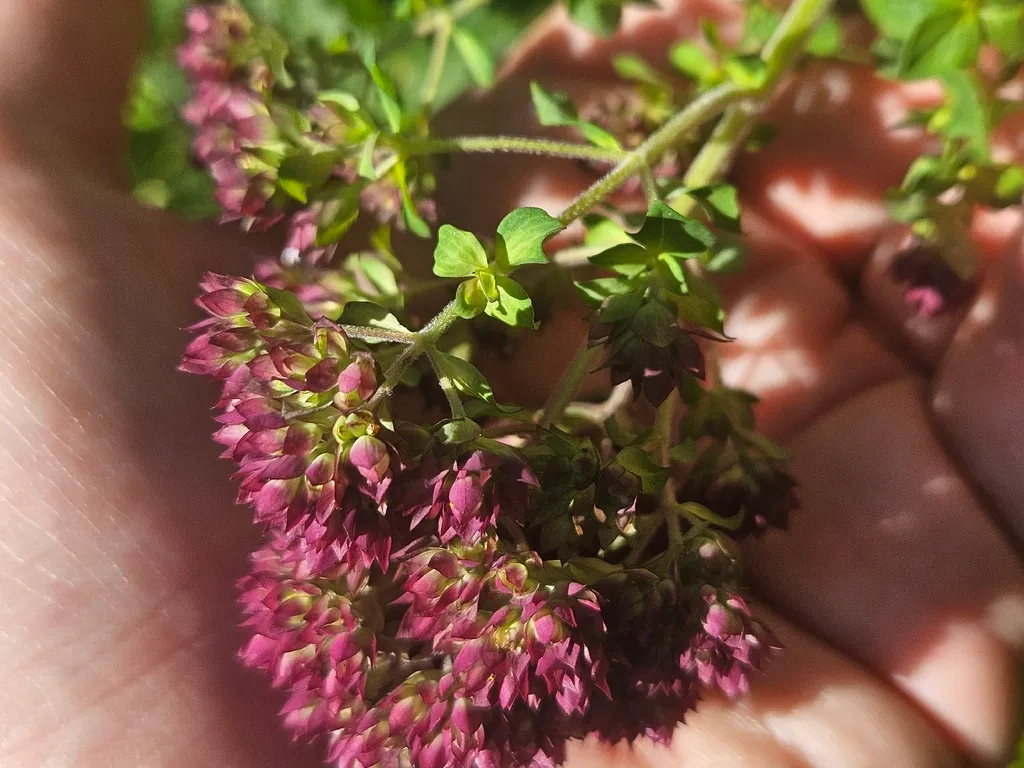
| Care difficulty | 2 / 5 |
|---|---|
| Watering schedule | Allow soil to dry out slightly between waterings; drought-tolerant. |
| Sunlight requirements | Full sun · Partial shade |
| Ideal temperature | 15 – 25 °C |
| Soil type | Chalk · Loam · Sand |
| Soil pH | Acid · Alkaline · Neutral |
| Soil moisture | Well drained |
| Fertilizing | Monthly with a diluted balanced fertilizer during the growing season. |
| Toxicity | Information to be completed |
How to Water oregano?
Originating from a Mediterranean climate, oregano thrives in conditions that mimic its native environment with dry, well-drained soil and plenty of sunshine. This herb exhibits drought tolerance, preferring occasional deep watering to frequent light sprinkles. Accordingly, it should be watered twice a week to maintain the right moisture balance without over-saturating the roots. As an aromatic perennial, oregano is commonly grown outdoors where it can benefit from natural rainfall patterns, enhancing its flavor profile and essential oil concentration during the growing season.
Learn more →What Are the Sunlight Requirements for oregano?
Oregano thrives in full sun, requiring at least six hours of direct sunlight daily to promote healthy growth and maximum flavor. While optimal light ensures vigorous growth and enhances flowering, oregano can also tolerate partial sun, with a minimum of four hours of direct light. In less than ideal light, growth may slow and the plant could exhibit legginess and reduced blooming. Adaptively, oregano may adjust leaf orientation to maximize light capture under varying conditions. Outdoors, it's best planted in a sunny spot, as indoor cultivation might not meet its light needs effectively.
Learn more →What Is the Ideal Temperature Range for oregano?

Oregano is notably resilient, able to withstand cold down to 0℃ (32℉) and heat up to 41℃ (106℉). Such tolerance means oregano can be grown in varied climates, although care must be taken during extreme weather. In cold conditions, it may exhibit leaf discoloration and stunted growth. In excessive heat, wilting and leaf burn can occur. Protective measures like mulching for cold and shading for heat are crucial. Ensuring appropriate watering is also key to mitigate stress from temperature extremes.
Learn more →What Soil Is Best for oregano?
A good soil choice for your oregano is sandy loam. Avoid planting it in soils that are too rich or moist - oregano is much more aromatic when grown in a light to medium soil with good drainage. The plant also prefers soils with a pH between 6.5 to 7.0.
- Soil type
- Chalk · Loam · Sand
- Soil pH
- Acid · Alkaline · Neutral
What Are the Moisture Requirements for oregano?
Well drained
Learn more →How to Fertilize oregano?

For oregano, optimal growth requires periodic nourishment. Use balanced nutrition fertilizers every 2-4 weeks during the growing season. A quarter-strength solution is sufficient, promoting robust growth and improving flavor yield. In dormant periods, pause fertilization to prevent overfeeding. Note that over-fertilization can harm oregano, causing leaf burn or excessive foliage at the expense of flavor. Adjust frequency based on the plant's response and growth stage. Practitioners should wear gloves and follow product guidelines to ensure safe application.
Learn more →How to Prune oregano?

Oregano is a perennial herb known for its aromatic leaves used in culinary applications. Prune oregano in early to late spring to encourage healthy growth and prevent legginess. Use clean, sharp tools to trim back dead or woody stems and promote new shoots. This regular pruning ensures a bushier plant and increases leaf production. Avoid heavy pruning in late fall to prevent damage from frost. Regular maintenance keeps oregano vigorous and productive, enhancing both its appearance and harvest.
Learn more →How to Propagate oregano?

Oregano is a perennial herb cherished for its aromatic leaves. For successful propagation, select healthy stems and prepare cuttings with several leaf nodes. Cuttings should be planted in well-draining soil and kept moist to encourage root development. Rooting hormone can increase success rates but is not mandatory. Once roots establish, transplantation into the garden or pots facilitates continued growth, ensuring a thriving oregano plant that can enhance many culinary dishes.
Learn more →How to Transplant oregano?
The prime time to transplant oregano is from mid-spring to early summer, as the plant enjoys warmer weather to establish its roots. Choose a sunny location with well-draining soil, and remember to provide ample space for growth.
Learn more →How to Plant oregano?
Indoors-potted: Ensure oregano has space to spread indoors; its vigorous growth can be contained with regular pruning to promote a bushy habit. Outdoors-potted: Oregano thrives outdoors in pots, remember to rotate for even growth as it reaches for light. This encourages a fuller shape. Outdoors-in the ground: When planting oregano in the garden, spacing is key; overcrowding may lead to poor air circulation and damp foliage issues.
Learn more →How to Repot oregano?
Repot oregano every 2-3 years during spring to accommodate growth. This bushy herb prefers well-draining soil, so choose a pot slightly larger than the root ball. Ensure the container has good drainage holes. Post-repotting, water lightly and place in a sunny location, avoiding heavy watering until established. Regular pruning encourages a robust shape, making oregano thrive in its new home.
Learn more →How to Harvest oregano?

Oregano is an excellent spice for cooking and can be harvested once it has reached around 13 cm in height. It is best to harvest the plant just when it starts to flower, as this is when it will be at its most aromatic. The best time to harvest is in the morning, once the dew has evaporated. Just a handful of leaves will last you a while, as they have a powerful aroma. You can either freeze whole leaves or dry and cut them finely.
Learn more →Common Pests & Diseases

Diseases
Generally disease-free
Pests
Generally pest-free
Explore the plant health library →