



Planting and Growing Chinese peony

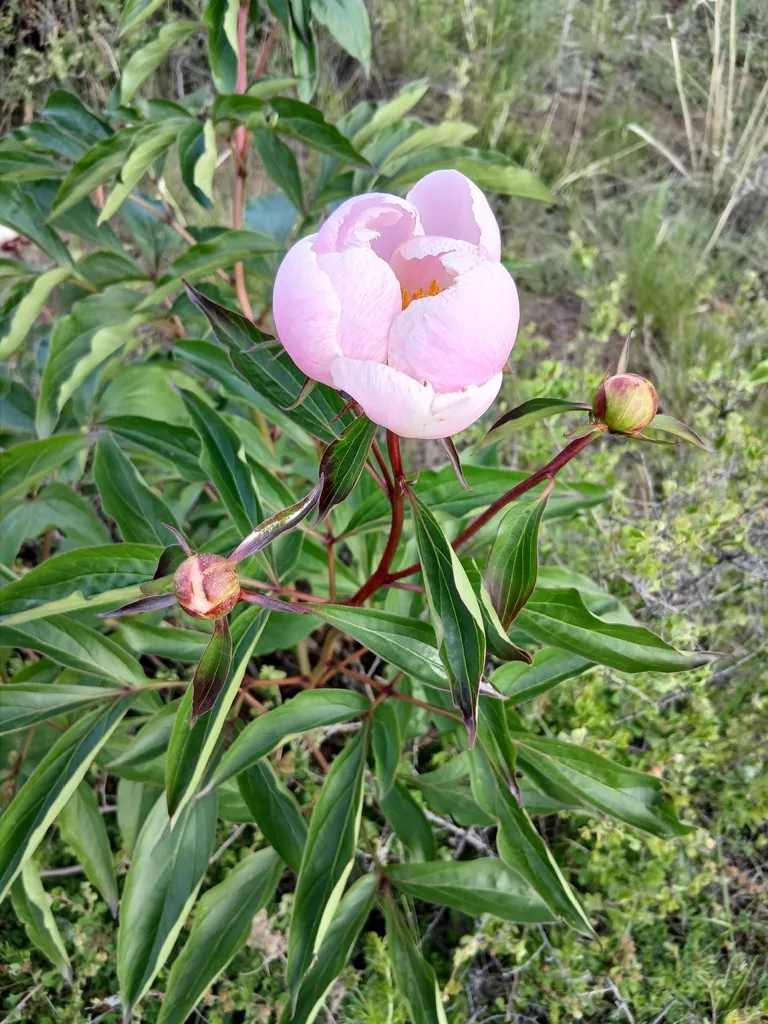
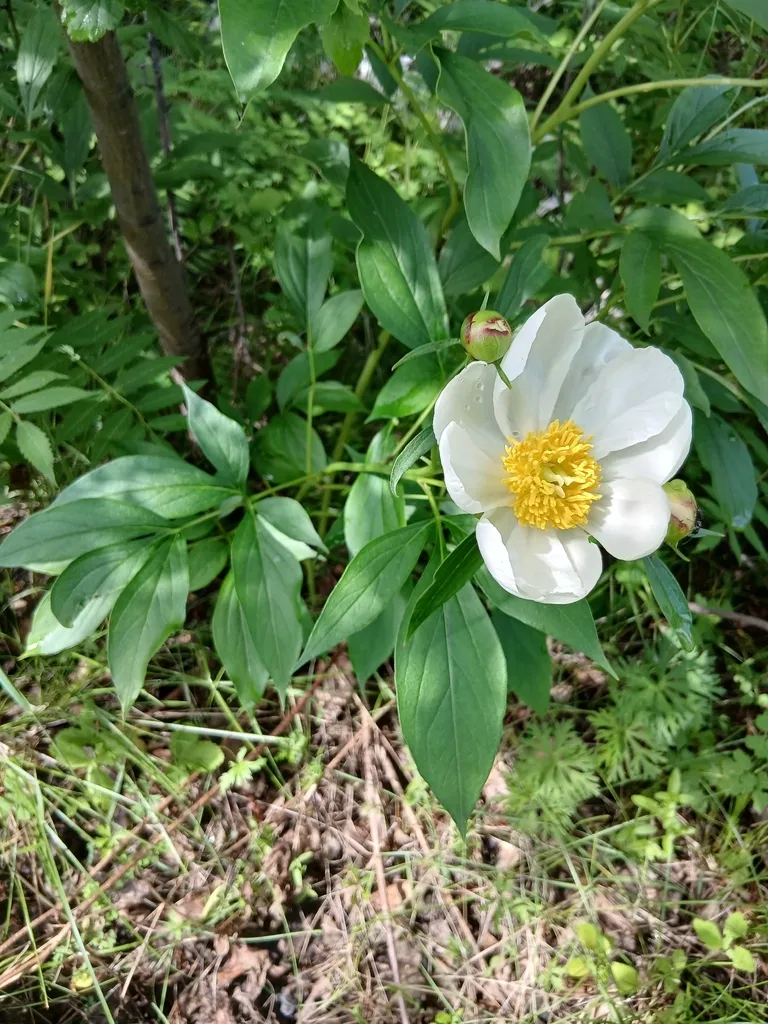
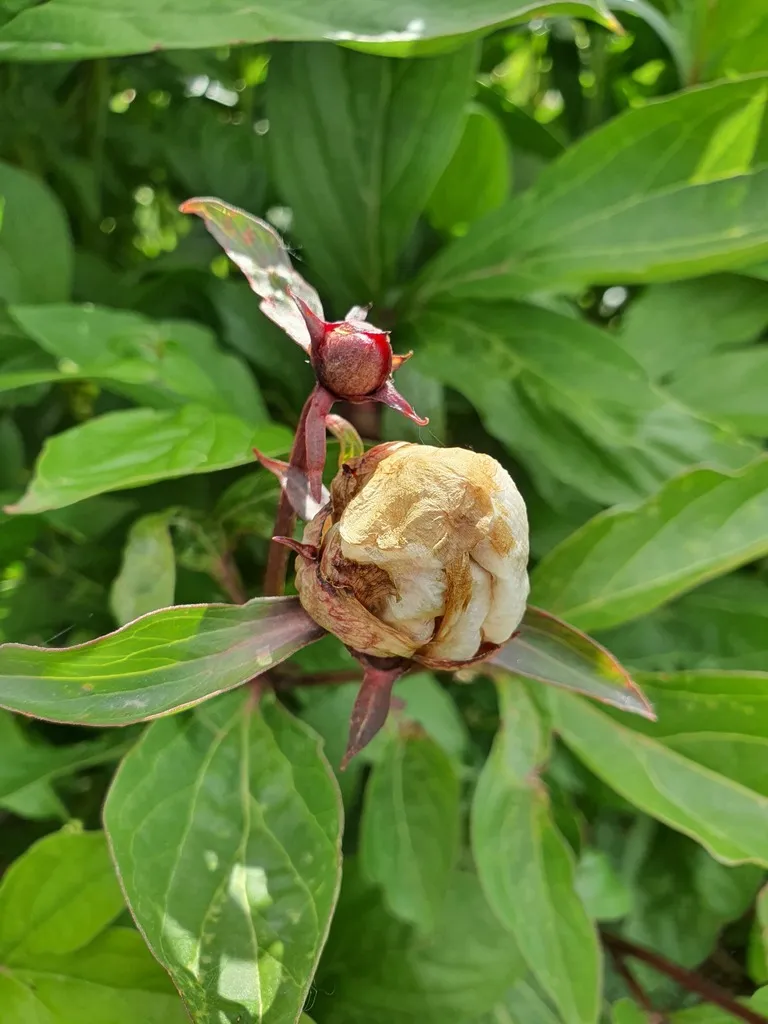
| Care difficulty | 3 / 5 |
|---|---|
| Watering schedule | Keep soil moist in spring, slightly drier in summer |
| Sunlight requirements | Full sun · Partial shade |
| Ideal temperature | 15 – 25 °C |
| Soil type | Clay · Loam · Sand |
| Soil pH | Acid · Alkaline · Neutral |
| Soil moisture | Moist but well drained |
| Fertilizing | Apply in early spring and after flowering |
| Toxicity | Information to be completed |
How to Water Chinese peony?
Thriving in its native habitat with moderate moisture, peony exhibits a preference for consistent soil hydration without being waterlogged. Its drought tolerance is relatively low, necessitating a balanced approach to watering. For optimal growth, peony should be watered once every 1-2 weeks. Typically cultivated outdoors due to its flowering nature and seasonal growth cycles, peony requires careful attention to watering during its active growing season to promote lush blooms.
Learn more →What Are the Sunlight Requirements for Chinese peony?
Peony thrives best in full sun conditions, where it can receive at least six hours of direct sunlight daily. This optimal exposure is crucial for vigorous growth and abundant flowering. Though peony tolerates partial sun, where light is filtered or direct sun is available for only part of the day, such conditions may lead to reduced blooming and weaker stems. In extreme cases, too much shade can result in sparse foliage and poor flowering. As peony performs best outdoors, ideal planting locations include sunny borders or open gardens that provide ample sunlight without obstruction.
Learn more →What Is the Ideal Temperature Range for Chinese peony?

Peony exhibits remarkable resilience to temperature variations, tolerating cold down to -25℃ (-13℉) and heat up to 41℃ (106℉). This makes it adaptable to both harsh winters and hot summers. However, extreme cold can cause frost damage, leading to blackened leaves and wilted stems. Conversely, excessive heat might result in scorched leaves and stunted growth. To protect peony, mulch or covering can shield it in freezing conditions, while ample watering and partial shade help in extreme heat. Such temperature tolerance underscores peony's suitability for a wide range of climates, with minimal protective measures enhancing its thriving potential.
Learn more →What Soil Is Best for Chinese peony?
Peony flourishes in well-drained soil to prevent water-logging. A suitable mix includes 40% garden soil, 30% compost, and 30% perlite or coarse sand. Ensure good aeration by using raised beds or containers with drainage holes. Enhance growth with a balanced fertilizer in early spring and organic mulch in the growing season. Avoid over-watering to maintain optimal soil conditions.
- Soil type
- Clay · Loam · Sand
- Soil pH
- Acid · Alkaline · Neutral
What Are the Moisture Requirements for Chinese peony?
Moist but well drained
Learn more →How to Fertilize Chinese peony?

For optimal care, fertilize peony with a balanced fertilizer (10-10-10) as it emerges in spring to stimulate growth. Once buds form, switch to a high phosphorus fertilizer to enhance bloom quality. Apply fertilizers every 4-6 weeks during the growing season, using about 1/4 cup per plant or following label instructions. Avoid over-fertilization, as this can lead to foliar growth at the expense of blooms. Decrease feeding as peony begins to go dormant in the fall. Always water peony thoroughly after fertilizing to prevent root burn and incorporate nutrients into the soil. This personalized approach ensures vigorous peony that showcase luscious, robust flowers.
Learn more →How to Prune Chinese peony?

Peony, known for its lush, fragrant blooms, requires careful pruning for optimal health. Prune in early spring to remove dead or weak stems, enhancing airflow and light penetration. Deadhead spent flowers in late spring to encourage further blooming. Always sterilize tools to prevent disease transmission. Pruning at these times fosters vigorous growth and a more aesthetically pleasing plant, emphasizing healthier and more abundant flowers in your garden.
Learn more →How to Propagate Chinese peony?

Belonging to the buttercup family, peony is a perennial known for luxuriant blooms often found in ornate gardens. Propagating peony is effectively achieved through division, where gardeners carefully split the root ball to create new plants. This method requires precise cutting to ensure each new section has ample roots and at least one growth bud. After division, promptly replant the sections in well-draining soil, ensuring the buds are no deeper than 2 inches below the surface for optimal growth.
Learn more →How to Transplant Chinese peony?
The perfect time to transplant peony is between mid-spring and early summer, as warmer temperatures encourage root growth. Choose a location with well-draining soil and partial to full sun exposure. Gently loosen the root ball when transplanting, ensuring a successful transition for the plant.
Learn more →How to Care for Chinese peony in Winter?

Information to be completed
Learn more →How to Plant Chinese peony?
Indoors-potted: For peony indoors, ensure ample space for its expansive root system; a deep pot promotes healthy growth. Outdoors-potted: Peony in outdoor pots thrive with seasonal repositioning to optimize growing conditions through the year. Outdoors-in the ground: When planting peony outdoors, consider their long-term spot as they dislike being moved and establish themselves over years.
Learn more →How to Repot Chinese peony?
Repot your peony every 2-3 years in early spring before new growth starts. It's a bush-type that thrives in spacious containers, so choose a pot one size larger to support its expansion. After repotting, provide moderate watering and avoid deep planting, as this can hinder flowering. A friendly reminder: peony's success relies on not disturbing its roots more than necessary!
Learn more →How to Harvest Chinese peony?

Peony blooms in early summer. Harvest cut flowers when the buds are mature and will bloom soon. The best time to harvest peony is in the morning after dew evaporates, or in the evening. If dewy flowers are cut, the cutting site is prone to pests and diseases. The evening is best because the plant accumulates more carbohydrates at this time. Use clean, sharp gardening scissors to cut the flower. Cut near the base, but leave 1-3 pairs of leaves on the plant to ensure future growth. Remove any ants and aphids from the cut part. Cut the base at 45º, remove 1/3 of the lower leaves from the stem, and soak the harvested stalk in cool, clean water as soon as possible to avoid water loss.
Learn more →Common Pests & Diseases

Diseases
May be susceptible to a virus, honey fungus, Verticillium wilt, peony leaf blotch and peony wilt
Pests
May be susceptible to leaf and bud eelworm and soil-dwelling swift moth larvae
Explore the plant health library →The Toxicity of Chinese peony
Information to be completed