



Planting and Growing parsley (curled) 'Curlina'

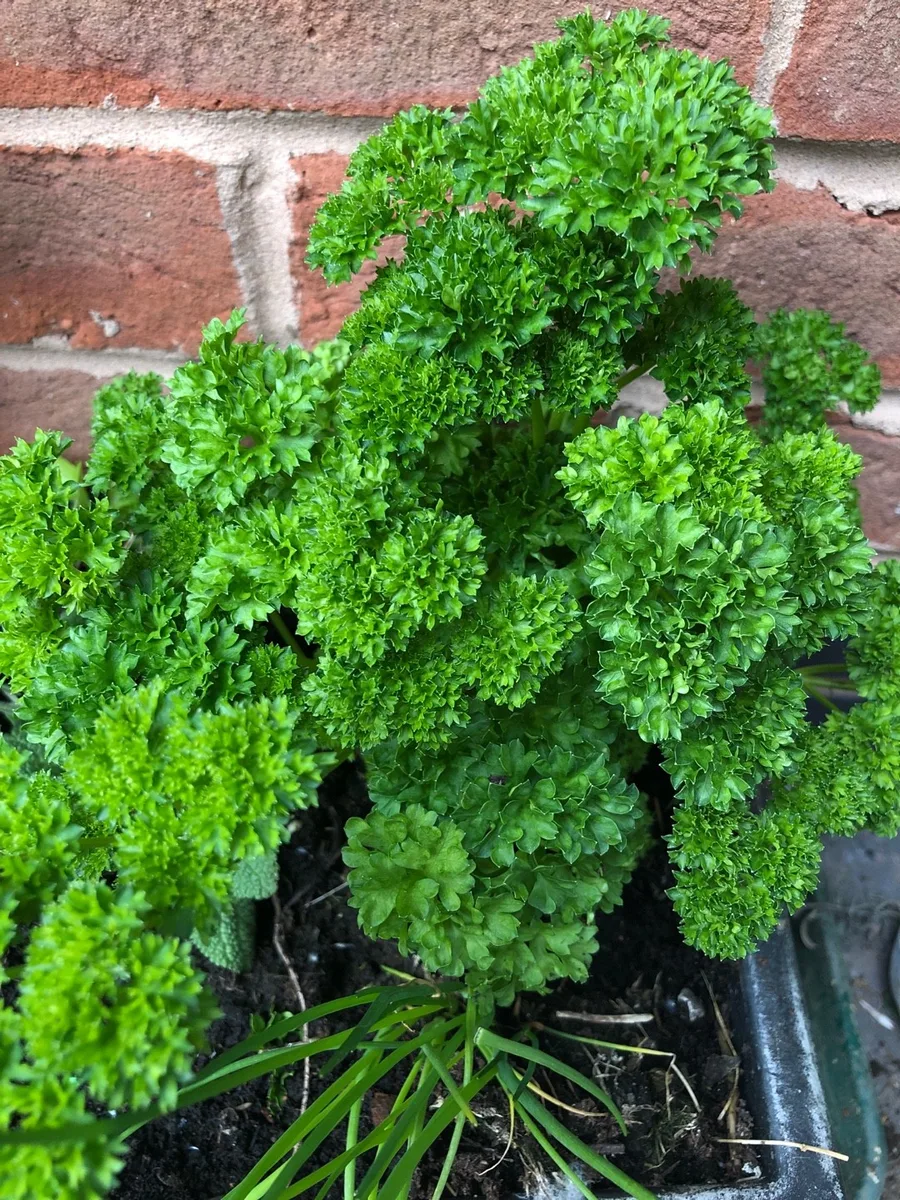
| Care difficulty | 2 / 5 |
|---|---|
| Watering schedule | Water regularly, keeping the soil evenly moist but not waterlogged. |
| Sunlight requirements | Full sun · Partial shade |
| Ideal temperature | Information to be completed |
| Soil type | Chalk · Clay · Loam · Sand |
| Soil pH | Acid · Alkaline · Neutral |
| Soil moisture | Moist but well drained |
| Fertilizing | Apply a balanced liquid fertilizer every 3-4 weeks during the growing season. |
| Toxicity | Information to be completed |
How to Water parsley (curled) 'Curlina'?
Water regularly, keeping the soil evenly moist but not waterlogged.
Learn more →What Are the Sunlight Requirements for parsley (curled) 'Curlina'?
Full sun · Partial shade
Learn more →What Soil Is Best for parsley (curled) 'Curlina'?
- Soil type
- Chalk · Clay · Loam · Sand
- Soil pH
- Acid · Alkaline · Neutral
What Are the Moisture Requirements for parsley (curled) 'Curlina'?
Moist but well drained
Learn more →How to Fertilize parsley (curled) 'Curlina'?

Apply a balanced liquid fertilizer every 3-4 weeks during the growing season.
Learn more →How to Prune parsley (curled) 'Curlina'?

Remove flowers unless wanted for seed
Learn more →How to Propagate parsley (curled) 'Curlina'?

Propagate by seed sown in situ, in succession from late spring through summer
Learn more →How to Plant parsley (curled) 'Curlina'?
Grow in fertile, moist, but well-drained soil in full sun or partial shade. Normally grown as an annual it can be overwintered although leaves become coarser in the second year. Harvest June to November or all year round if indoors. See parsley cultivation for further advice
Learn more →Common Pests & Diseases

Diseases
May be susceptible to a leaf spot and a virus
Pests
May be susceptible to carrot fly, aphids and celery leaf miner
Explore the plant health library →