



Planting and Growing hairy hakea

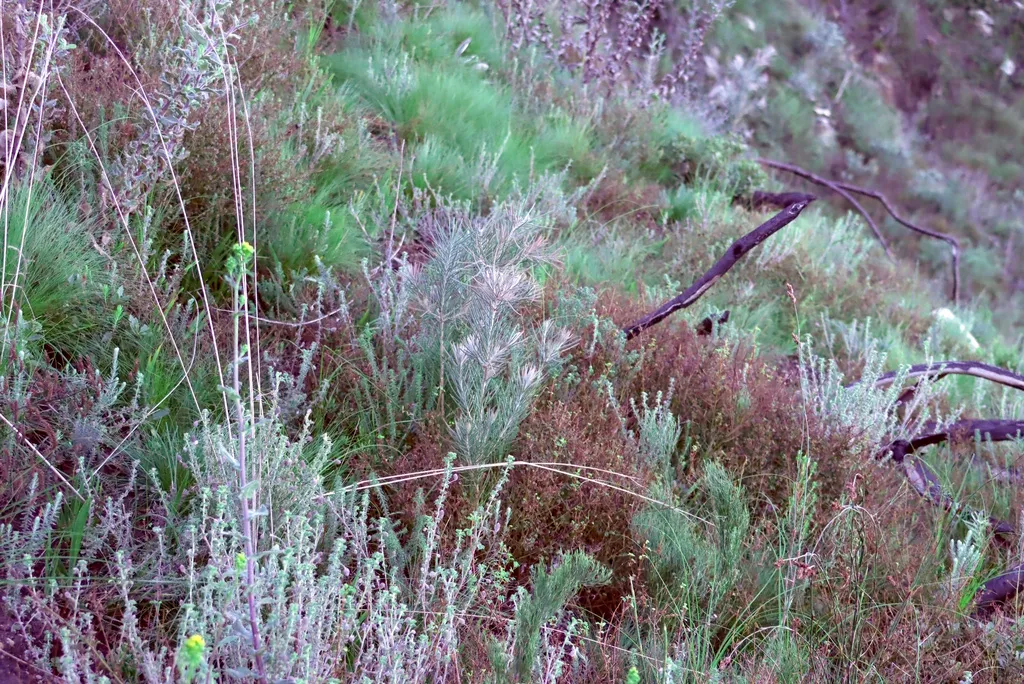
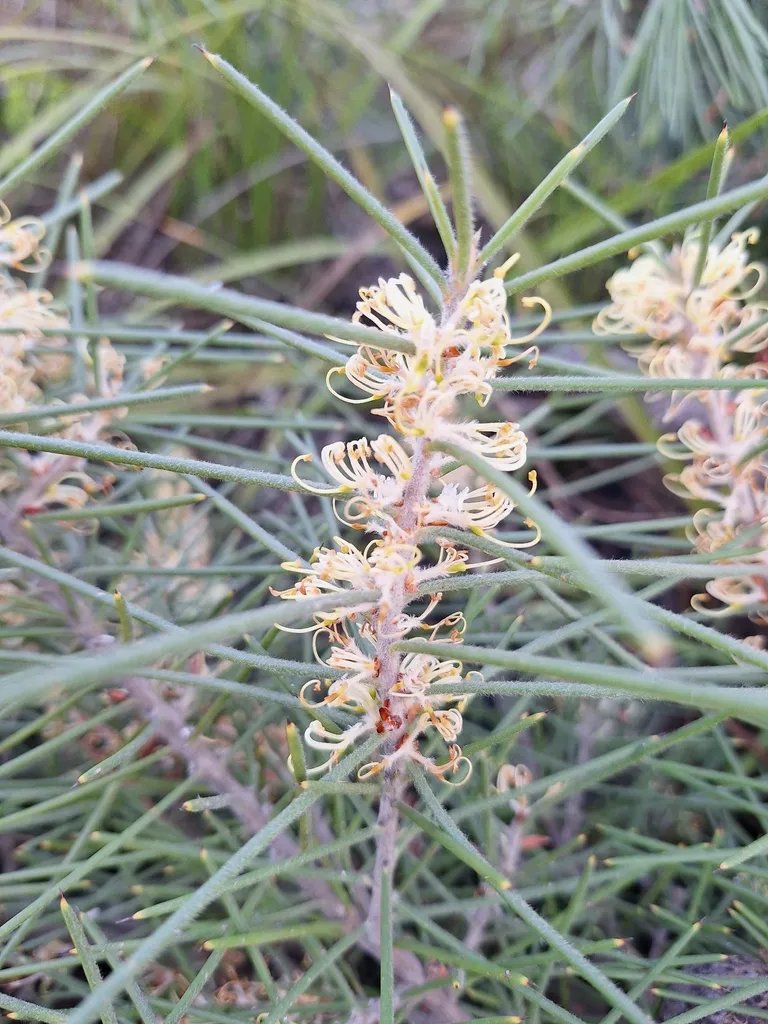
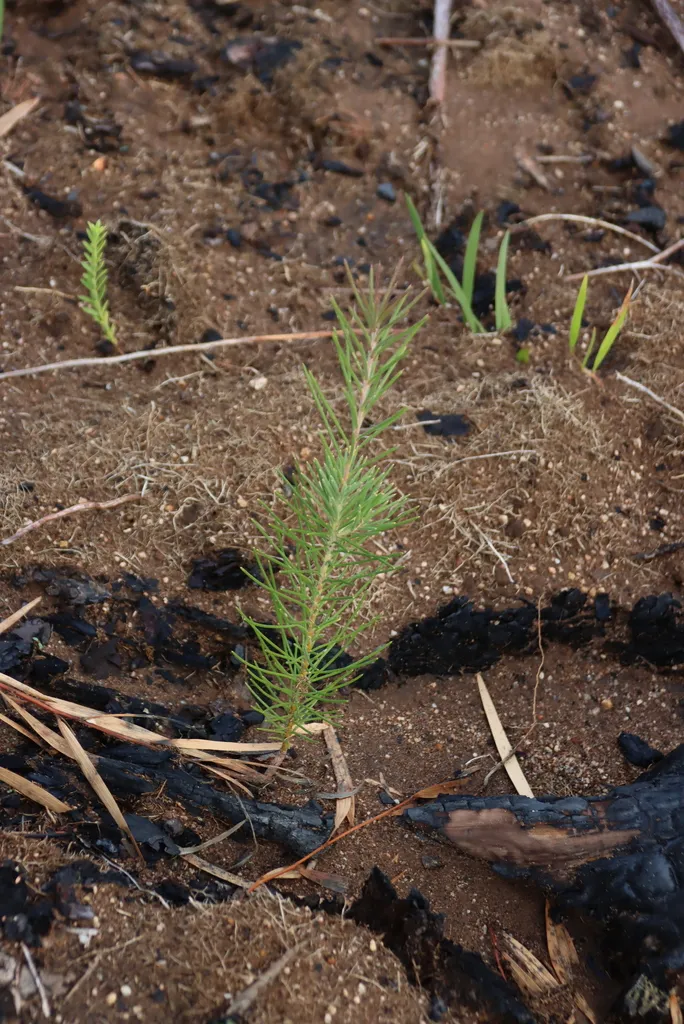
| Care difficulty | 1 / 5 |
|---|---|
| Watering schedule | Moderate regular watering, allowing brief slight drying between soakings |
| Sunlight requirements | Full sun |
| Ideal temperature | Information to be completed |
| Soil type | Sand · Loam |
| Soil pH | Acid |
| Soil moisture | Well drained |
| Fertilizing | Balanced perennial feed every four weeks from spring through summer |
| Toxicity | Skin irritant/allergen. Wear gloves and other protective equipment when handling |
How to Water hairy hakea?
Moderate regular watering, allowing brief slight drying between soakings
Learn more →What Are the Sunlight Requirements for hairy hakea?
Full sun
Learn more →What Soil Is Best for hairy hakea?
- Soil type
- Sand · Loam
- Soil pH
- Acid
What Are the Moisture Requirements for hairy hakea?
Well drained
Learn more →How to Fertilize hairy hakea?

Balanced perennial feed every four weeks from spring through summer
Learn more →How to Prune hairy hakea?

Little pruning is needed. Remove diseased, damaged, crowded or crossing shoots and unwanted growth. Timing depends on the plant: generally late winter or early spring; plants prone to bleeding and deciduous magnolias need different timing, and deciduous azaleas and lilacs are pruned after flowering.
Learn more →How to Propagate hairy hakea?

Propagate by seed or by semi-ripe cuttings
Learn more →How to Plant hairy hakea?
In mild areas grow in fertile, well-drained, sandy, slightly acid soil in full sun. Under glass, grow in a mix of equal parts loam, peat substitute or leaf mould and sharp sand in full light. Apply phosphate-free fertiliser monthly in the growing season
Learn more →Common Pests & Diseases

Diseases
Generally disease-free
Pests
Generally pest-free
Explore the plant health library →The Toxicity of hairy hakea
Skin irritant/allergen. Wear gloves and other protective equipment when handling