



Planting and Growing Paphiopedilum parishii

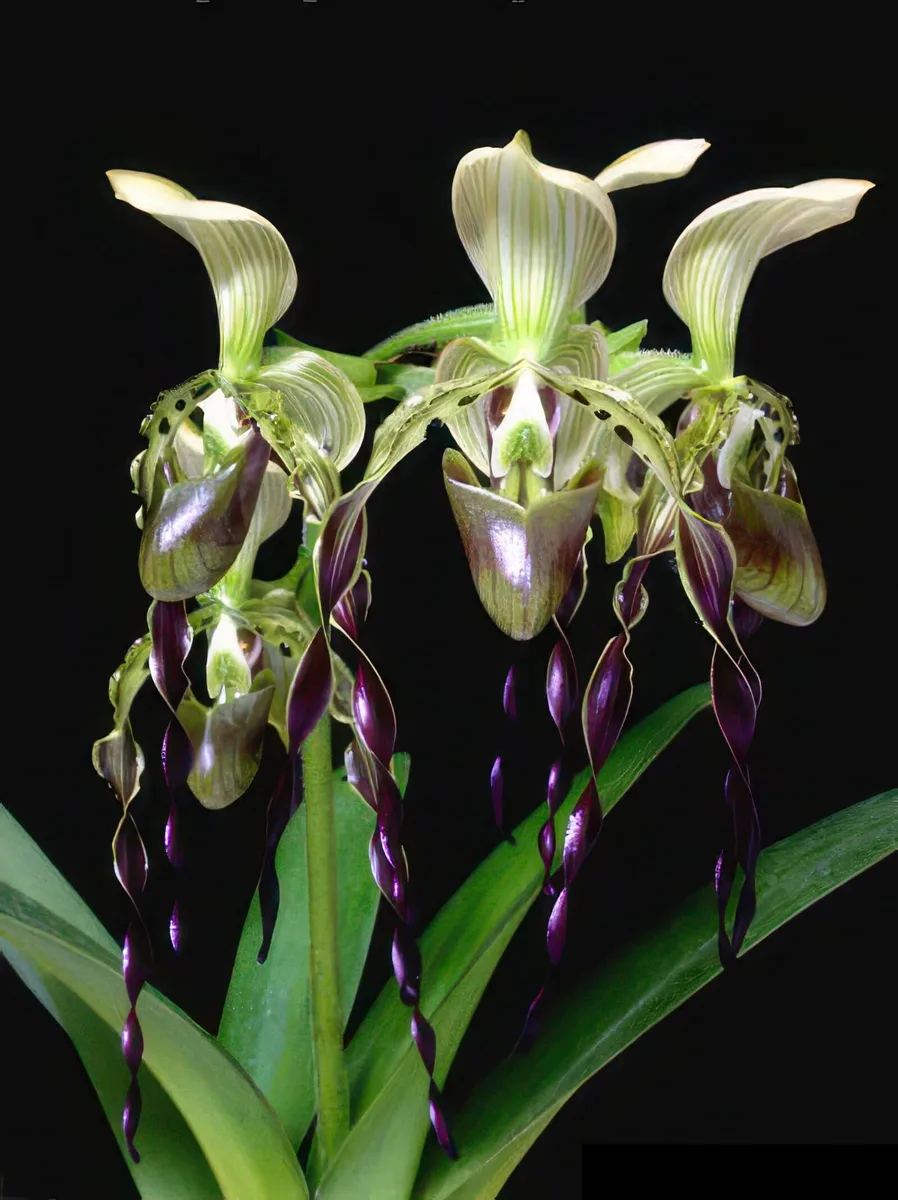
| Care difficulty | 4 / 5 |
|---|---|
| Watering schedule | Keep mix evenly moist, never dry completely |
| Sunlight requirements | Partial shade |
| Ideal temperature | Information to be completed |
| Soil type | Information to be completed |
| Soil pH | Neutral |
| Soil moisture | Well drained |
| Fertilizing | Weak orchid feed regularly during active growth |
| Toxicity | Information to be completed |
How to Water Paphiopedilum parishii?
Keep mix evenly moist, never dry completely
Learn more →What Are the Sunlight Requirements for Paphiopedilum parishii?
Partial shade
Learn more →What Soil Is Best for Paphiopedilum parishii?
- Soil type
- Information to be completed
- Soil pH
- Neutral
What Are the Moisture Requirements for Paphiopedilum parishii?
Well drained
Learn more →How to Fertilize Paphiopedilum parishii?

Weak orchid feed regularly during active growth
Learn more →How to Prune Paphiopedilum parishii?

No pruning required. Remove the flower stem after flowering.
Learn more →How to Propagate Paphiopedilum parishii?

Propagation by seed is only possible in a controlled laboratory environment. Mature plants may be divided when the plant overgrows its container. Each division should have at least 3 healthy, rooted plant rosettes with a suffient amount of stored energy and water, to support new growth and reduce stress after repotting.
Learn more →How to Plant Paphiopedilum parishii?
Grow in terrestrial, bark based orchid mix, with added sphagnum moss and perlite, or crushed limestone chips. In summer, provide higher humidity and bright, filtered light. Average summer temperatures are between 20 - 25°C, with winter temperatures falling to 18 - 22°C. Apply fertiliser with every third watering. Avoid heavy misting or overhead watering. As the plant lacks pseudobulbs, it shouldn't be left dry for long time. Water plant as it approaches dryness, but avoid standing in water, or keeping wet for prolonged period. See Paphiopedilum cultivation for more detailed advice.
Learn more →Common Pests & Diseases

Diseases
Generally disease-free. Overhead watering in combination with low temperatures may cause bacterial rots in the centre of leaf rosettes.
Pests
Generally pest-free. May be susceptible to mealybugs.
Explore the plant health library →