



Planting and Growing purple spineless acaena

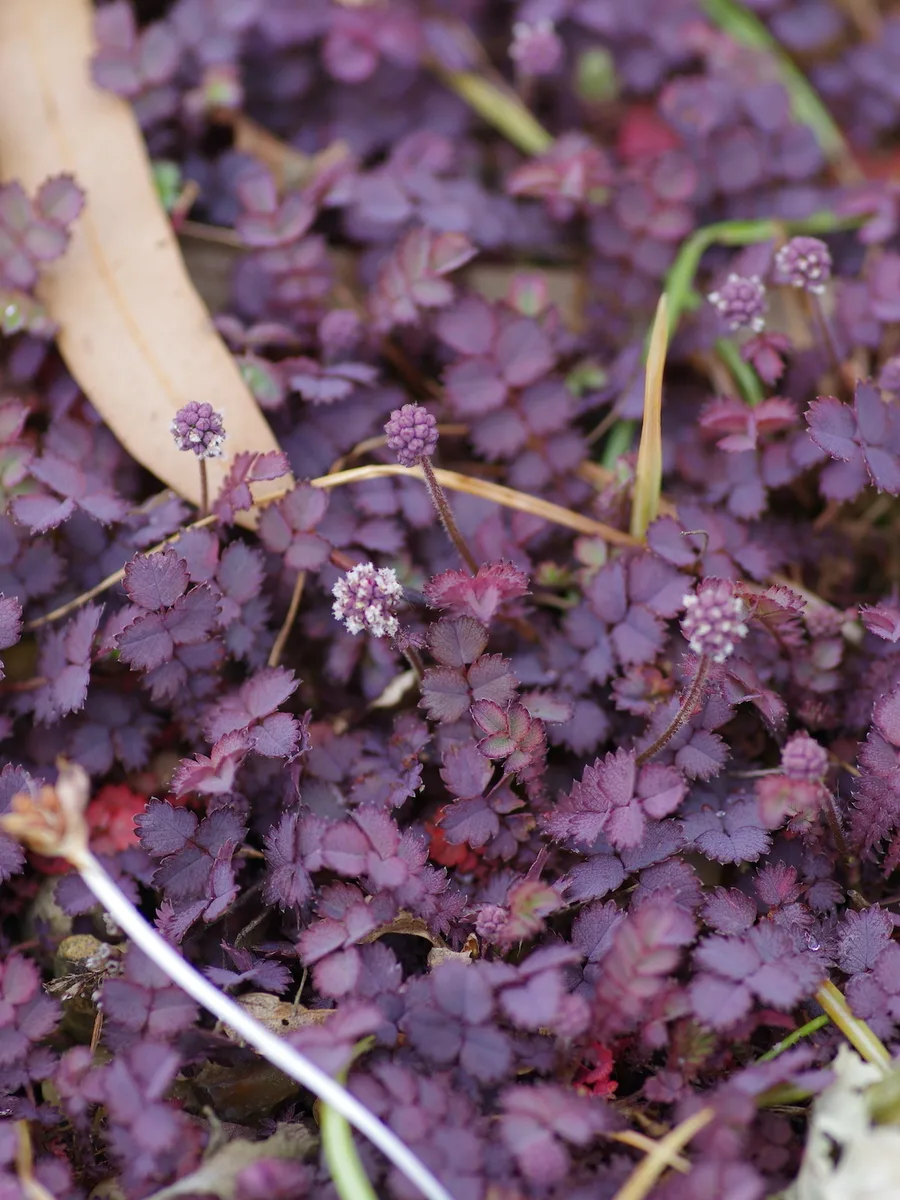
| Care difficulty | 2 / 5 |
|---|---|
| Watering schedule | Moderate regular watering, avoid prolonged drought or waterlogging |
| Sunlight requirements | Full sun · Partial shade |
| Ideal temperature | Information to be completed |
| Soil type | Chalk · Loam · Sand |
| Soil pH | Acid · Alkaline · Neutral |
| Soil moisture | Well drained |
| Fertilizing | Balanced feed in spring and light repeat in growth season |
| Toxicity | Information to be completed |
How to Water purple spineless acaena?
Moderate regular watering, avoid prolonged drought or waterlogging
Learn more →What Are the Sunlight Requirements for purple spineless acaena?
Full sun · Partial shade
Learn more →What Soil Is Best for purple spineless acaena?
- Soil type
- Chalk · Loam · Sand
- Soil pH
- Acid · Alkaline · Neutral
What Are the Moisture Requirements for purple spineless acaena?
Well drained
Learn more →How to Fertilize purple spineless acaena?

Balanced feed in spring and light repeat in growth season
Learn more →How to Prune purple spineless acaena?

Pull out rooted stems to restrict its spread
Learn more →How to Propagate purple spineless acaena?

Propagate by seed or division
Learn more →How to Plant purple spineless acaena?
Grow in any well-drained soil in sun or partial shade. Useful ground cover between paving stones as it tolerates being trodden on but in borders its creeping habit means it can spread. This plant is listed on Schedule 9 of The Wildlife (Northern Ireland) Order (1985), as amended, as an invasive non-native species. While this does not prevent it from being sold or being grown in gardens in Northern Ireland, the RHS encourages those that do grow it to take great care with managing it and with disposing of unwanted material. The RHS also encourages gardeners in Northern Ireland to find alternative plants to grow to those listed on Schedule 9. For suggested alternative plants see the Plantlife/RHS guide, Gardening without harmful invasive plants
Learn more →Common Pests & Diseases

Diseases
Generally disease free
Pests
Generally pest-free
Explore the plant health library →