



Planting and Growing golden polypody

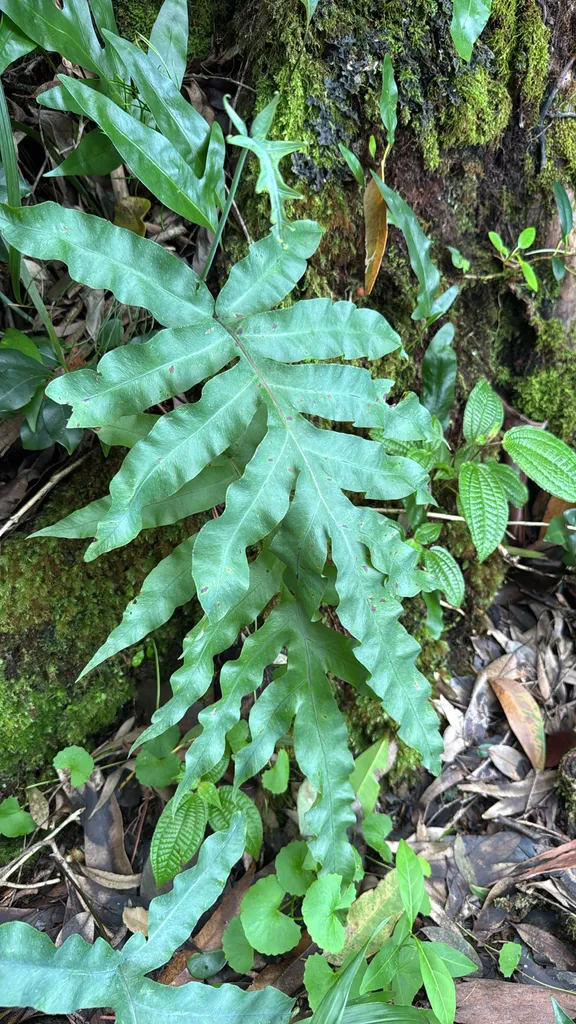
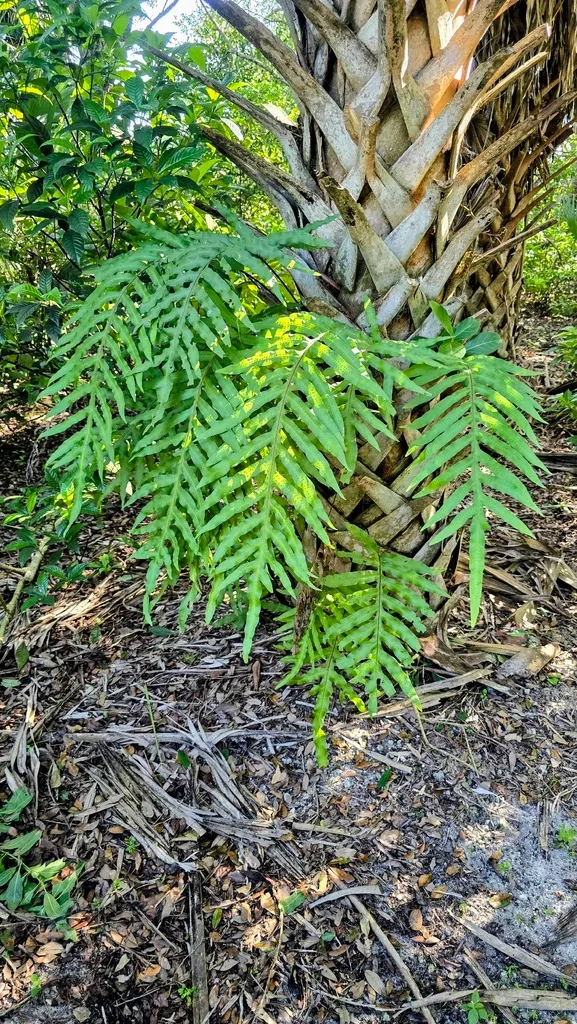
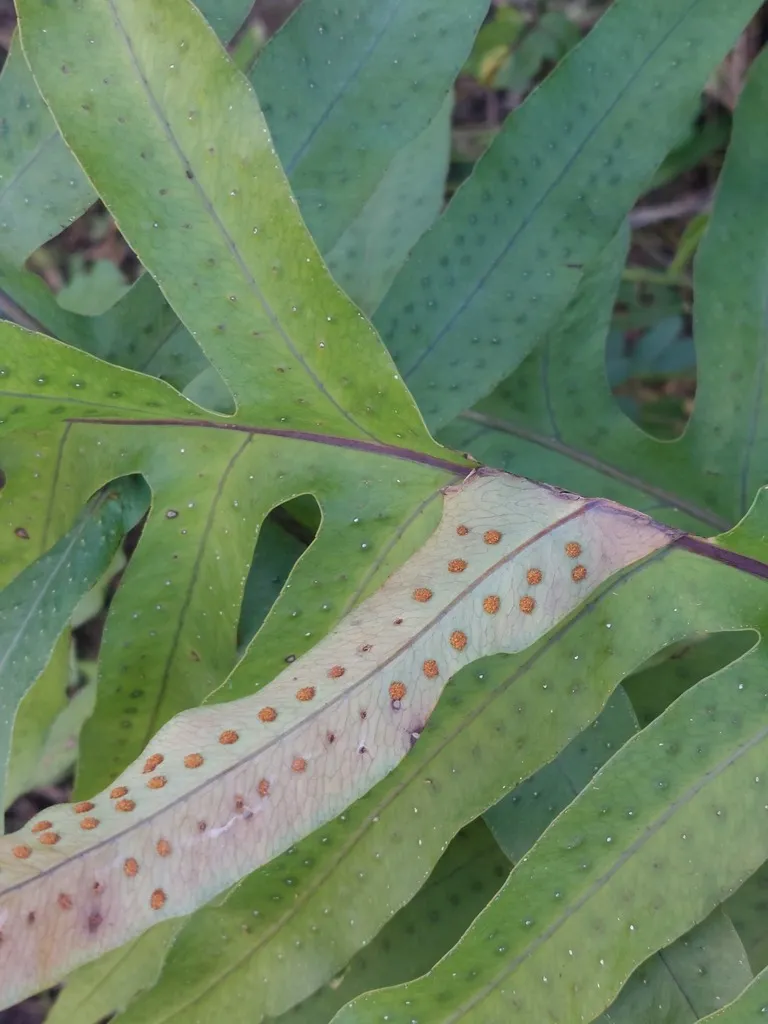
| Care difficulty | 3 / 5 |
|---|---|
| Watering schedule | Moderate regular watering, allowing brief slight drying between soakings |
| Sunlight requirements | Partial shade |
| Ideal temperature | 18 – 27 °C |
| Soil type | Loam |
| Soil pH | Neutral |
| Soil moisture | Moist but well drained |
| Fertilizing | Balanced perennial feed every four weeks from spring through summer |
| Toxicity | Information to be completed |
How to Water golden polypody?
Golden polypody thrives in the humid conditions of its native tropical rainforest, displaying a preference for consistent moisture. It has adapted to withstand periods of high humidity and requires watering every week to maintain its lush foliage. Golden polypody is an evergreen plant that retains its vibrant leaves throughout the year, necessitating a stable water supply to support this persistent verdancy. Typically grown indoors due to its decorative appeal and air-purifying qualities, golden polypody benefits from being placed in well-draining soil that mimics the loamy forest floor, ensuring adequate moisture without waterlogging.
Learn more →What Are the Sunlight Requirements for golden polypody?
Golden polypody thrives best under partial sun conditions, where it receives dappled sunlight rather than harsh, direct rays. A continual exposure to bright, indirect light promotes robust growth and maintains vibrant foliage health. While golden polypody can adapt to full shade, this may lead to subdued growth dynamics and potentially less vigorous health. In an outdoor setting, golden polypody should be positioned where it can enjoy filtered light through canopies. For indoor cultivation, placement near a window with sheer curtains would be ideal to regulate light intensity. Golden polypody's adaptive strategies include flexible leaf orientation to optimize light absorption without risking damage from overexposure.
Learn more →What Is the Ideal Temperature Range for golden polypody?

Golden polypody exhibits decent resilience to temperature variations, tolerating temperatures between 0℃ (32℉) and 43℃ (109℉). While golden polypody can survive mild cold snaps, it is sensitive to frost and prolonged freezing. During heat extremes, the plant may wilt or show scorched leaves. For care, ensure protection from frost, such as moving potted plants indoors during cold spells, and provide shade and sufficient watering during high heat. Symptoms of stress include leaf yellowing in cold and browning in heat. Countermeasures include using frost cloths or blankets for cold and ensuring adequate hydration and ventilation in heat.
Learn more →What Soil Is Best for golden polypody?
Golden polypody thrives in well-draining potting mix, favoring high aeration to prevent water-logging. For a suitable soil blend, combine two parts peat or coco coir with one part perlite or coarse sand. This ratio ensures good drainage. Amend with slow-release fertilizer at the beginning of the growing season, guaranteeing nutritional balance. In absence of peat or coco coir, bark chips can substitute, maintaining the critical drainage golden polypody requires.
- Soil type
- Loam
- Soil pH
- Neutral
What Are the Moisture Requirements for golden polypody?
Moist but well drained
Learn more →How to Fertilize golden polypody?

Fertilize golden polypody quarterly with high-nitrogen formulas to bolster frond development, ensuring a diluted solution at half strength to avoid root burn. Refrain from winter feeding; plants are dormant. In growing months, consistent feeding supports verdant fronds and robust stature. Circumvent fertilization overreach; less is more for golden polypody's moderate requirements. Wear gloves, adhere to instructions, and water soil before application for optimal nutrient absorption and plant health.
Learn more →How to Prune golden polypody?

Golden polypody, known for its distinctive large fronds, thrives with minimal pruning. Trim dead or yellowing leaves in early spring to encourage healthy growth. Maintain cleanliness around the base to prevent fungal issues. Avoid cutting into the rhizomes — the plant's natural growth pattern prefers undisturbed spreading. Regular pruning enhances its lush appearance and vitality, ensuring airy fronds. Follow these guidelines for a robust and attractive golden polypody.
Learn more →How to Propagate golden polypody?

Golden polypody favors division as its primary propagation method during Spring and Autumn. Propagation can be moderately difficult, but the appearance of new fronds indicates success. Ensure healthy parent plants and optimal growing conditions for best results.
Learn more →How to Transplant golden polypody?
The perfect time to transplant golden polypody is from early to late summer, as it allows for better root establishment. Choose a location with partial to full shade and well-draining soil. Remember to keep the plant moist and protected during the transplanting process.
Learn more →How to Care for golden polypody in Winter?

Golden polypody thrives in its native semi-tropical climate, where winters are mild. It naturally adapts with evergreen fronds that tolerate lower light levels. Winter care includes providing shade, and maintaining a consistent temperature above 55° F to prevent dormancy. Resist watering golden polypody excessively - it prefers a slightly dry soil. In colder climates, consider relocating golden polypody indoors to mimic its natural environment.
Learn more →How to Plant golden polypody?
Indoors-potted: Thriving as an indoor companion, golden polypody adores the stable climate of your living space, making it a lush green focal point. Outdoors-potted: When potted outdoors, golden polypody relishes the freedom to spread its fronds but be mindful of harsh weather that may necessitate shelter. Outdoors-in the ground: Golden polypody's resilience shines in the garden bed, where it can naturally regulate moisture and avoid waterlogged roots.
Learn more →How to Repot golden polypody?
Repot golden polypody in spring every 2-3 years to accommodate its moderate growth; it thrives in spacious, flat containers that mimic its natural epiphytic lifestyle. Use well-draining soil, provide bright, indirect light, and water moderately post-repotting. This eases adaptation, ensuring the continued radiant health of its blue-green fronds.
Learn more →How to Harvest golden polypody?

Information to be completed
Learn more →Common Pests & Diseases

Diseases
Generally disease-free
Pests
Generally pest-free
Explore the plant health library →The Toxicity of golden polypody
Information to be completed