



Planting and Growing common ninebark

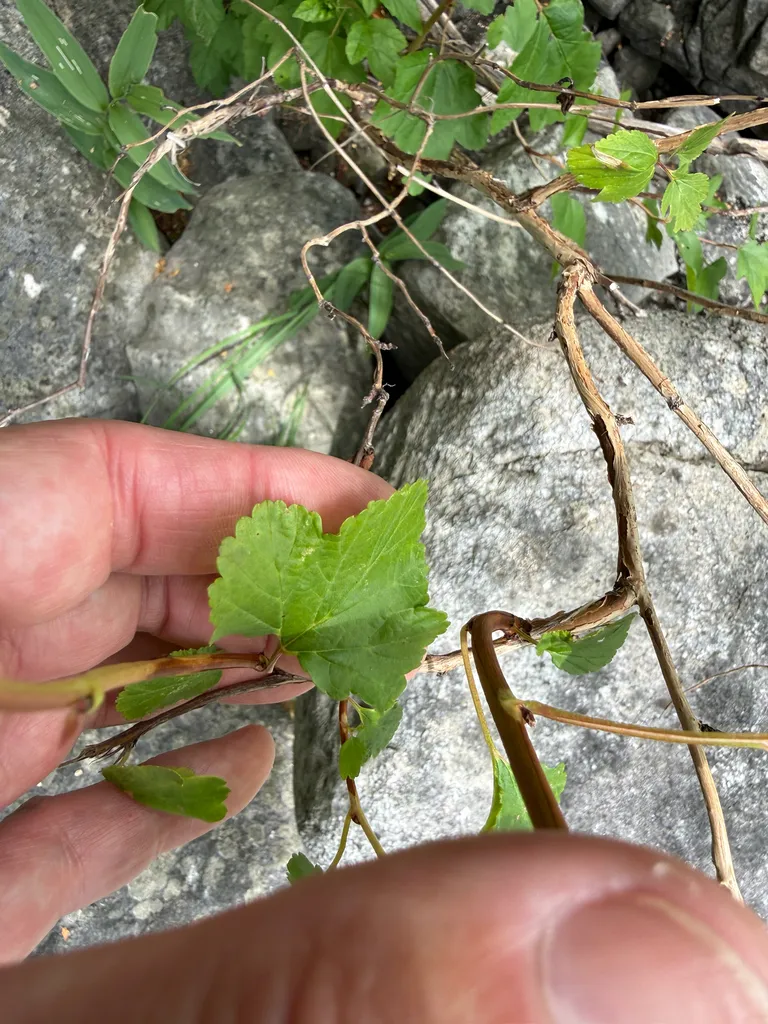
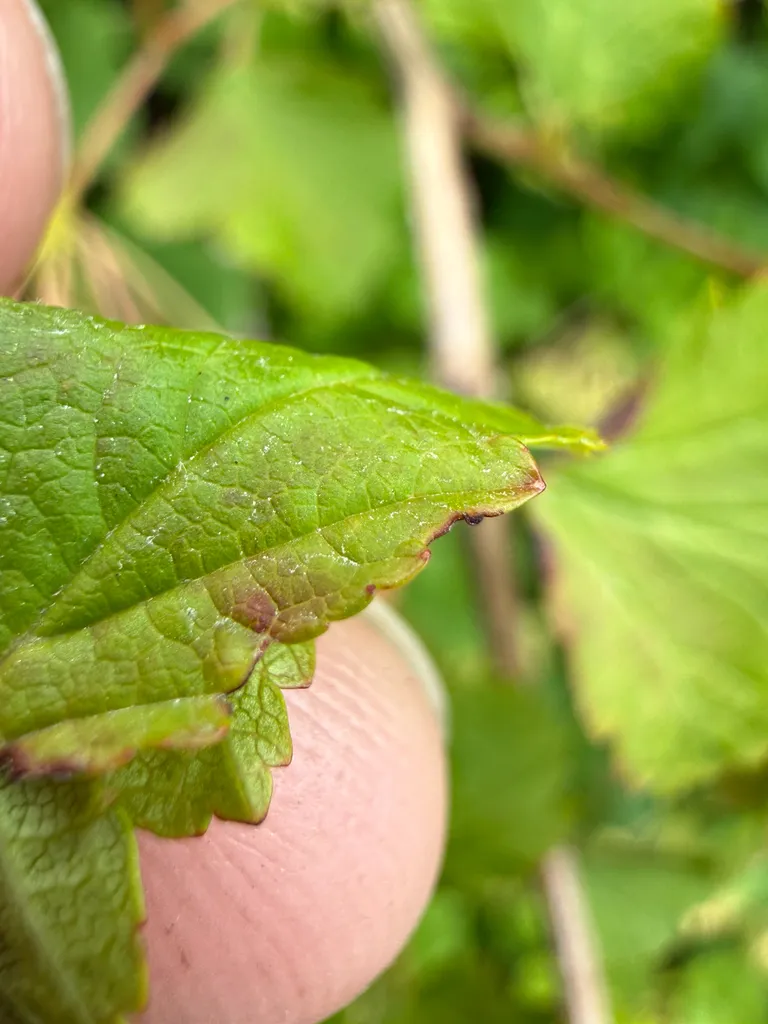
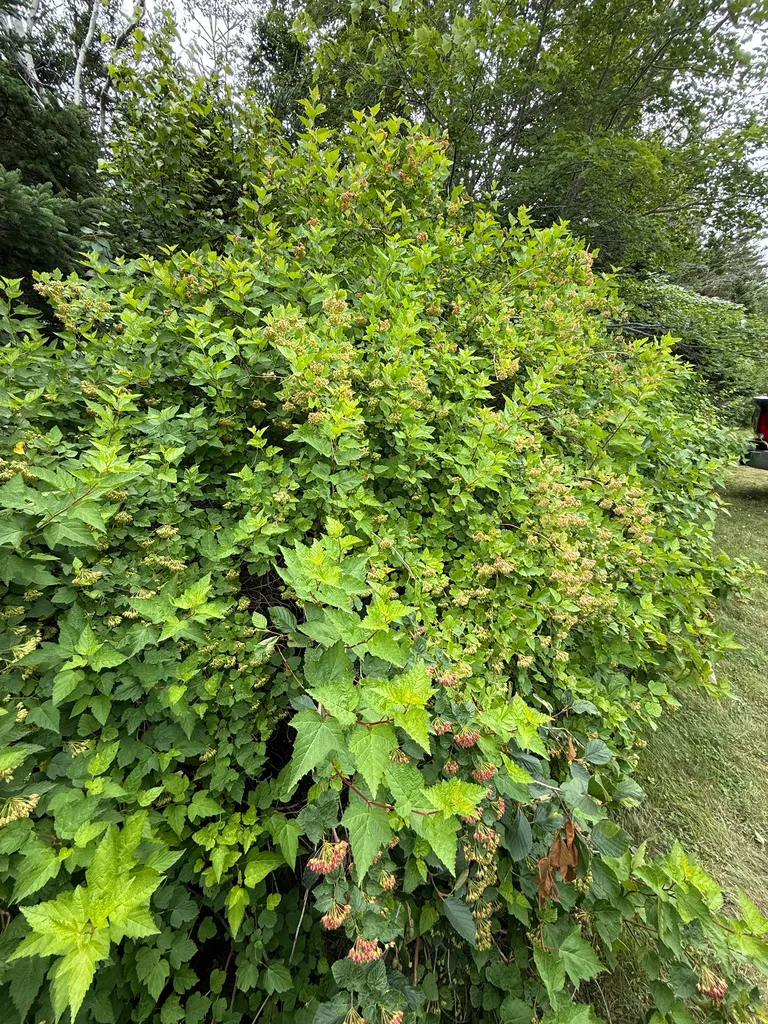
| Care difficulty | 2 / 5 |
|---|---|
| Watering schedule | Moderate regular watering, avoid prolonged drought or waterlogging |
| Sunlight requirements | Full sun · Partial shade |
| Ideal temperature | 15 – 25 °C |
| Soil type | Clay · Loam · Sand |
| Soil pH | Acid · Alkaline · Neutral |
| Soil moisture | Moist but well drained |
| Fertilizing | Balanced feed in spring and light repeat in growth season |
| Toxicity | Information to be completed |
How to Water common ninebark?
Adapted to temperate climates, common ninebark thrives with moderate moisture, reflecting its resilience in various environments. Native to regions with distinct seasons, it exhibits a preference for consistent but not excessive watering, aligning with its natural cycle of water availability. The ideal watering schedule for common ninebark is once every 1-2 weeks, ensuring the soil remains moist but well-drained. As an outdoor plant often found enhancing landscapes, common ninebark benefits from mulching to retain soil moisture and protect against temperature extremes.
Learn more →What Are the Sunlight Requirements for common ninebark?
Common ninebark thrives best in full sun, where it receives at least six hours of direct sunlight daily. This exposure optimizes its growth, enhances its flowering capabilities, and intensifies leaf coloration. While common ninebark is adaptable to partial sun, with at least four hours of direct sunlight, less than optimal sunlight may lead to reduced flowering and a slight elongation of stems, potentially affecting the plant's overall robustness. Adaptively, common ninebark can modify leaf orientation and density under varying light conditions to maximize photosynthesis and maintain health. For outdoor planting, position common ninebark in spots that align with these light preferences for optimal performance.
Learn more →What Is the Ideal Temperature Range for common ninebark?

Common ninebark demonstrates remarkable resilience to varying temperatures. It can endure cold extremes down to -30℃ (-22℉) and withstand heat up to 35℃ (95℉). Such tolerance indicates that common ninebark can thrive in diverse climates but may still require protective measures during severe cold snaps or heatwaves. Exposure to temperatures below its cold limit might cause leaf discoloration and dieback, while overheating can lead to wilting and scorched leaves. To mitigate overcooling, mulching and windbreaks are advisable, whereas shading and adequate watering help in preventing overheating. This adaptability makes common ninebark suitable for various environments, ensuring robust growth through fluctuating weather conditions.
Learn more →What Soil Is Best for common ninebark?
Native to North America, common ninebark thrives in diverse soil conditions including sand, loam, clay, and chalky soils with a pH range from acidic to moderately alkaline (pH 6.0-8.0). Optimal nutrient absorption occurs within this pH range. A suitable soil mix includes garden soil with added organic matter like compost (2:1 ratio) to mimic its natural environment. Ensure excellent drainage to prevent water-logging by incorporating perlite or coarse sand. Supplement with a balanced fertilizer in early spring to enhance growth.
- Soil type
- Clay · Loam · Sand
- Soil pH
- Acid · Alkaline · Neutral
What Are the Moisture Requirements for common ninebark?
Moist but well drained
Learn more →How to Fertilize common ninebark?

For common ninebark, utilize balanced nutrition fertilizers, applying in early spring to stimulate robust growth and improve bloom quality. Annually administer 1
Learn more →How to Prune common ninebark?

Common ninebark is a deciduous shrub known for its attractive bark and clusters of white or pink flowers. The key pruning technique involves thinning and rejuvenation cuts to promote healthy growth and maintain shape. Optimal pruning time is in later spring, after flowering. Remove dead or damaged wood and thin out crowded branches. Regular pruning enhances air circulation, controls size, and encourages more vigorous blooming. Always use sterilized tools to prevent disease.
Learn more →How to Propagate common ninebark?

Common ninebark primarily propagates through cutting and layering methods during autumn and winter seasons. Propagation can be moderately challenging, with successful growth indicated by healthy root development and budding foliage. For optimal results, maintain proper moisture levels during the propagation period.
Learn more →How to Transplant common ninebark?
Transplant common ninebark during the refreshing days of early spring, as it allows the plant to establish its roots before summer heat arrives. Choose a location that offers well-drained soil and partial to full sun exposure. Gently loosen the root ball while transplanting, and ensure optimal growth.
Learn more →How to Care for common ninebark in Winter?

Information to be completed
Learn more →How to Plant common ninebark?
Indoors-potted: Growing common ninebark indoors requires selecting a spot where it can mimic its natural growth, considering its vigor and need for ample space. Outdoors-potted: When potted outdoors, common ninebark thrives with proper drainage to prevent root rot while accommodating its fast-growing nature. Outdoors-in the ground: Common ninebark, when planted in the ground, enjoys room to spread, making it an eye-catching focal point in landscape designs.
Learn more →How to Repot common ninebark?
Information to be completed
Learn more →How to Harvest common ninebark?

Information to be completed
Learn more →Common Pests & Diseases

Diseases
May be susceptible to honey fungus
Pests
Generally pest-free
Explore the plant health library →The Toxicity of common ninebark
Information to be completed