



Planting and Growing Scots pine



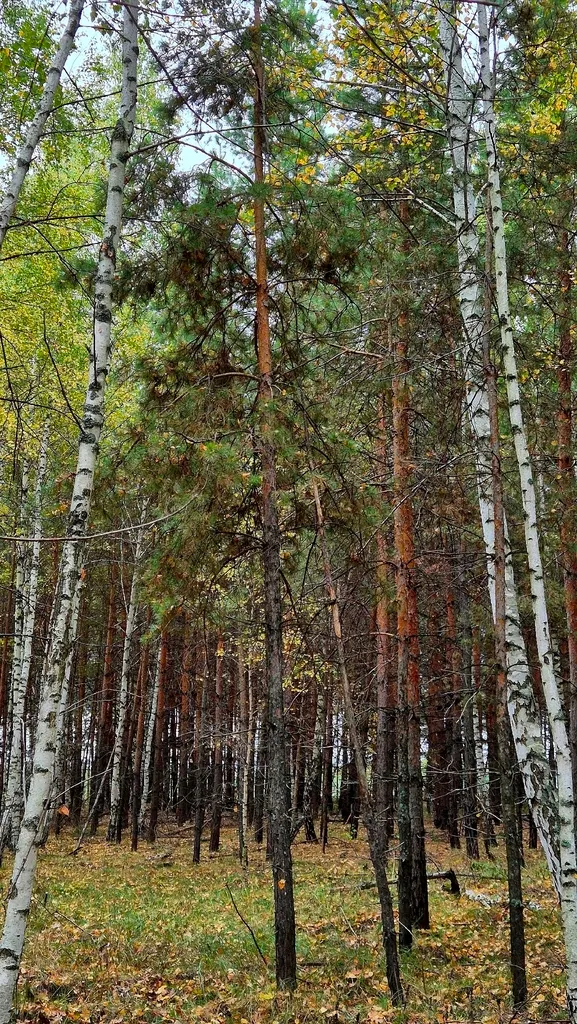
| Care difficulty | 2 / 5 |
|---|---|
| Watering schedule | Deep occasional watering with excellent drainage, less once established |
| Sunlight requirements | Full sun |
| Ideal temperature | 15 – 25 °C |
| Soil type | Chalk · Clay · Loam · Sand |
| Soil pH | Acid · Alkaline · Neutral |
| Soil moisture | Well drained |
| Fertilizing | Light conifer feed once yearly in early spring only |
| Toxicity | Information to be completed |
How to Water Scots pine?
Scots pine thrives in its native habitat with sporadic rainfall, adapting to absorb moisture efficiently. This species exhibits a preference for drier conditions and is quite drought-tolerant. Regular watering should be moderated to once every 1-2 weeks, ensuring the soil doesn't remain waterlogged. As an evergreen plant commonly grown outdoors, scots pine has adapted to various climate zones, displaying resilience by regulating water uptake during different seasons to maintain its needle-like foliage.
Learn more →What Are the Sunlight Requirements for Scots pine?
Scots pine flourishes in conditions of full sun, where it can receive unfiltered, direct light for the majority of the day. This intensity and duration of light are essential as it promotes healthy growth and robust development. Scots pine is also adaptable to partial sun, albeit with potential diminished vigor or density in foliage. An abundance of light contributes to scots pine's deep root system and resistance to wind. While it can survive in less than ideal light, its optimal growth is in open, unshaded areas where it's exposed to the ample sunlight its biology is geared towards. Not commonly an indoor plant, scots pine is best planted in spacious outdoor areas where light is abundant.
Learn more →What Is the Ideal Temperature Range for Scots pine?

Scots pine is highly resilient to temperature variations. It can withstand extreme cold down to -25℃ (-13℉) and tolerate heat up to 35℃ (95℉). This wide temperature tolerance implies that scots pine can thrive in diverse climates, from harsh winters to hot summers. In terms of care, scots pine requires minimal protective measures against temperature extremes, making it suitable for various environments. However, under conditions that exceed these tolerances, scots pine may exhibit symptoms such as needle discoloration, canopy dieback, or stunted growth. To counteract overcooling, ensure mulching and wind barriers, while shading and watering may help during overheating episodes.
Learn more →What Soil Is Best for Scots pine?
Originating from the native regions of Europe and Asia, scots pine flourishes in well-drained, sandy or rocky soils with a pH range of 4.5-6.5. These slightly acidic to neutral conditions are critical for optimal nutrient absorption. The plant thrives in a mix of loam, sand, and some clay, ensuring proper aeration while retaining essential moisture. For a suitable soil mix, blend 50% coarse sand, 25% garden soil, and 25% pine bark. Ensure excellent drainage by adding perlite or gravel at the base. Incorporate organic matter such as compost yearly to enhance fertility. Avoid overwatering to prevent root rot.
- Soil type
- Chalk · Clay · Loam · Sand
- Soil pH
- Acid · Alkaline · Neutral
What Are the Moisture Requirements for Scots pine?
Well drained
Learn more →How to Fertilize Scots pine?

For scots pine, utilize balanced nutrition fertilizers annually, in early spring or autumn, to aid robust growth and root development. Apply according to size, typically 1-2 pounds per inch of trunk diameter, at the drip line. Over-fertilization risks damaging scots pine; observe foliage for signs of excess. Young specimens benefit from more frequent feedings; mature scots pine may require fewer nutrients. Always water thoroughly post-application to prevent root burn and distribute nutrients. Seasonal adjustments ensure scots pine receives optimal care.
Learn more →How to Prune Scots pine?

Characterized by its tall, straight form and blue-green needles, scots pine benefits from pruning to maintain shape and remove dead wood. Optimal timing is from early to late winter, aligning with its dormancy period to minimize sap loss and infection risk. Focus on thinning crowded branches and removing lower branches to enhance air flow and light penetration. Regular pruning can also reduce the risk of pest infestations and improve overall tree health. Ensure tools are clean to prevent disease spread.
Learn more →How to Propagate Scots pine?

Scots pine is a robust coniferous tree that adapts well to a range of soil types but prefers well-drained sandy or loamy conditions. For successful propagation, semi-hardwood cuttings are typically taken from the current year's growth, ensuring they contain several sets of needles. These cuttings root best when treated with rooting hormone and placed in a moist, well-aerated rooting medium under controlled environmental conditions to encourage successful establishment. Careful attention to moisture and avoiding deep planting of the cuttings are critical for promoting root development.
Learn more →How to Transplant Scots pine?
The best time to transplant scots pine is during late spring to early summer, or early winter to mid-winter. These seasons promote optimal root development. Ensure a sunny location with well-drained soil for thriving growth. Remember, scots pine adapts well to transplantation, so you're in good hands!
Learn more →How to Plant Scots pine?
Indoors-potted: In an indoor setting, scots pine needs strategic positioning to receive ample light for healthy growth; rotate the pot periodically for uniform foliage development. Outdoors-potted: Scots pine, when potted outdoors, thrives with space for its roots; choose a large container to accommodate its growth without frequent repotting. Outdoors-in the ground: Planted in the ground, scots pine becomes a majestic presence, requiring minimal intervention but ensure enough room for expansion to avoid overcrowding.
Learn more →How to Harvest Scots pine?

The wood can be used to collect rosin; bark, needles, roots and so on can be comprehensively made into various chemical products; seeds can be extracted for oil.
Learn more →Common Pests & Diseases

Diseases
May be susceptible to honey fungus and needle cast diseases
Pests
May be susceptible to adelgids, conifer aphid, sawfly larvae, and pine shoot moth
Explore the plant health library →