



Planting and Growing balloon flower


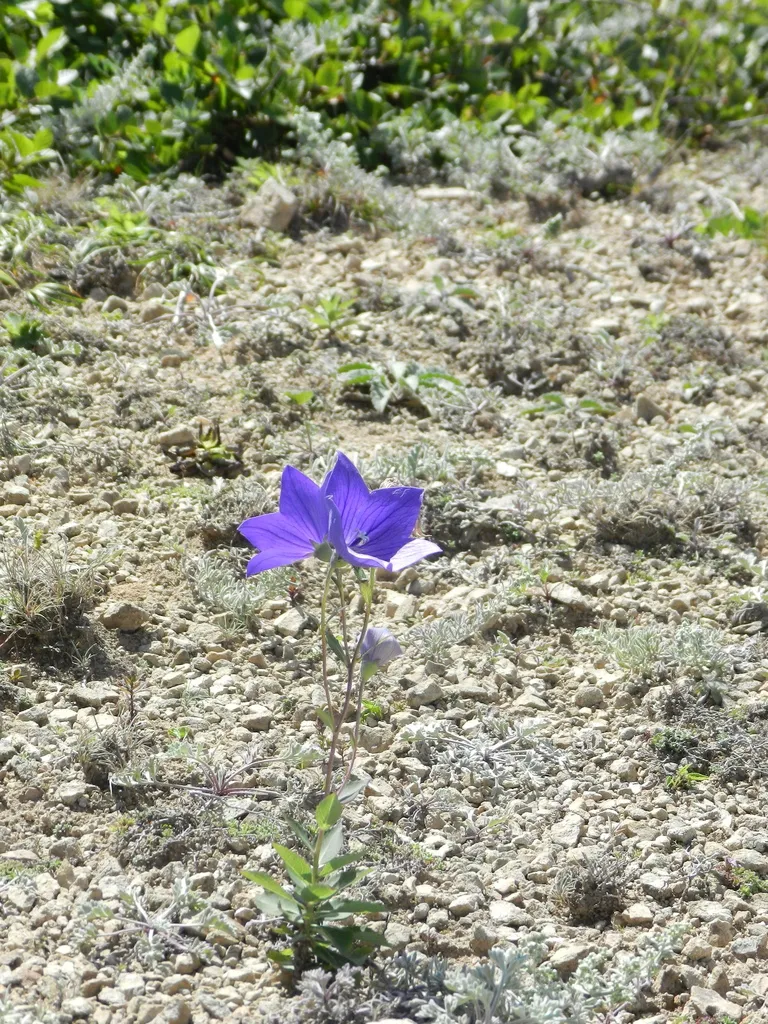
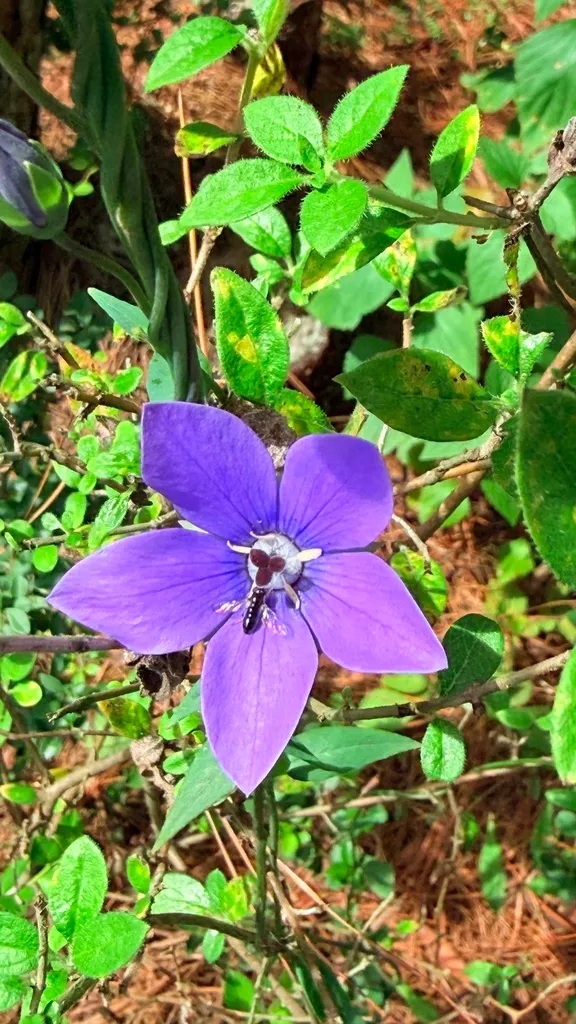
| Care difficulty | 2 / 5 |
|---|---|
| Watering schedule | Moderate regular watering, avoid prolonged drought and stagnant waterlogging |
| Sunlight requirements | Full sun · Partial shade |
| Ideal temperature | 15 – 25 °C |
| Soil type | Loam |
| Soil pH | Acid · Alkaline · Neutral |
| Soil moisture | Moist but well drained |
| Fertilizing | Balanced perennial feed every four weeks spring through summer growth |
| Toxicity | Information to be completed |
How to Water balloon flower?
Originating from East Asia's slopes and meadows, balloon flower thrives in moderately moist soil conditions, mirroring its native environment's balanced moisture levels. This species is known for its resilience to varying water regimes but prefers consistent hydration without being waterlogged. Regular watering every week will maintain its optimal health. As a perennial herb, balloon flower benefits significantly from the adequate moisture during its active growing season, ensuring lush foliage and vibrant blooms.
Learn more →What Are the Sunlight Requirements for balloon flower?
Balloon flower thrives best in full sun, requiring at least six hours of direct sunlight daily to foster optimal growth and flowering. However, it also exhibits a commendable tolerance to partial sun, adapting well to slightly lesser intense light conditions. This resilience allows balloon flower to still perform reasonably well and bloom reliably, albeit with potentially fewer flowers or slightly diminished vigor compared to full sun exposure. Ideally planted in garden beds or borders where they can receive ample sunlight throughout the day, balloon flower does not typically adapt well to indoor growing conditions. Its adaptability in light exposure helps enhance its health and prolongs its bloom period.
Learn more →What Is the Ideal Temperature Range for balloon flower?

Balloon flower is remarkably resilient to temperature variations. It can withstand cold temperatures down to -30℃ (-22℉) and heat up to 38℃ (100℉). This wide tolerance range makes balloon flower adaptable to diverse climates; however, protective measures are necessary during extreme weather. In cold spells, cover plants with mulch or use frost cloth. During intense heat, provide shade and increase watering. Symptoms of cold stress in balloon flower include wilting and blackened foliage, while heat stress can cause leaf scorching and wilting. Adjusting care routines accordingly ensures healthy growth despite temperature extremes.
Learn more →What Soil Is Best for balloon flower?
Balloon flower thrives in well-aerated soil with excellent drainage. Prepare a mix using equal parts garden soil, compost, and perlite. If perlite is unavailable, substitute with coarse sand for similar results. Ensure the pot or garden bed has adequate drainage to prevent water-logging. Enhance growth by incorporating a balanced, slow-release fertilizer at planting time, and top-dress with compost annually to maintain soil fertility.
- Soil type
- Loam
- Soil pH
- Acid · Alkaline · Neutral
What Are the Moisture Requirements for balloon flower?
Moist but well drained
Learn more →How to Fertilize balloon flower?

For optimal growth, balloon flower thrives with balanced fertilizer (e.g., 10-10-10) application every 4-6 weeks during the growing season, tapering to high phosphorus types (e.g., 10-20-10) to bolster budding. Fertilization enhances vigor, blooms, and sustains health. Over-fertilizing risks foliage at the expense of flowers. In winter, cease feeding. Apply as directed, avoiding root contact to prevent burn.
Learn more →How to Prune balloon flower?

Characterized by its unique balloon-shaped buds and starry flowers, balloon flower benefits from regular pruning. Cut back in early spring to encourage bushier growth and remove spent blooms throughout the flowering season to promote continuous blooming. Hard prune in later spring for rejuvenation if needed. Ensure tools are clean to prevent disease.
Learn more →How to Propagate balloon flower?

Balloon flower is best propagated through sowing in Spring. This method may present moderate difficulty for beginners. Successful signs include vigorous seedling growth. Accessories such as seedling heat mats aid germination.
Learn more →How to Transplant balloon flower?
The perfect time to transplant balloon flower is between late spring and late summer, when the plant enjoys warm temperatures and ample sunlight. Choose a location with well-draining soil and partial to full sun exposure. If needed, enrich the soil with organic matter for optimal growth. Happy transplanting!
Learn more →How to Care for balloon flower in Winter?

Information to be completed
Learn more →How to Plant balloon flower?
Indoors-potted: For balloon flower as an indoor companion, ensure ample space for its taproot to accommodate vertical growth and promote blooming. Outdoors-potted: Balloon flower, when potted outdoors, thrives with consistent moisture but be cautious of waterlogging which can harm its deep root system. Outdoors-in the ground: In-ground, balloon flower prefers a location where it can receive the day's warmth while resting in well-draining soil to prevent root rot.
Learn more →How to Repot balloon flower?
Repot your balloon flower every 2-3 years in early spring, aligning with its growth cycle. This upright, non-climbing perennial prefers spacious containers that accommodate root expansion. Choose a pot 1-2 inches larger than the previous. After repotting, place in bright, indirect light and maintain consistent moisture. Balloon flower's resilience ensures smooth recovery, but avoid compacting soil to let roots breathe. This gentle approach ensures robust balloon-like blooms.
Learn more →How to Harvest balloon flower?

Information to be completed
Learn more →Common Pests & Diseases

Diseases
Generally disease free
Pests
May be attacked by slugs and snails
Explore the plant health library →The Toxicity of balloon flower
Information to be completed