



Planting and Growing Cape leadwort

| Care difficulty | 2 / 5 |
|---|---|
| Watering schedule | Moderate regular watering, avoid prolonged drought and stagnant waterlogging |
| Sunlight requirements | Full sun |
| Ideal temperature | 15 – 25 °C |
| Soil type | Chalk · Loam · Sand |
| Soil pH | Acid · Alkaline · Neutral |
| Soil moisture | Well drained |
| Fertilizing | Balanced perennial feed every four weeks spring through summer growth |
| Toxicity | Skin irritant. Wear gloves and other protective equipment when handling |
How to Water Cape leadwort?
Originating from the warm climates of South Africa, cape leadwort thrives in conditions that mimic its native subtropical environment. This species exhibits a preference for consistent moisture but is resilient to brief dry spells. Its watering routine should align with a frequency of once every week. As an evergreen plant, cape leadwort benefits significantly from regular hydration to maintain its lush foliage year-round, making it ideal for outdoor landscaping in regions where temperatures do not dip too low.
Learn more →What Are the Sunlight Requirements for Cape leadwort?
Cape leadwort thrives in full sun conditions, where it receives bright and uninterrupted light for several hours each day. This optimal exposure fosters vigorous growth, robust health, and prolific blooming. While cape leadwort tolerates partial sun, reduced light may lead to diminished flowering and leggier growth. In adapting to light exposure, cape leadwort may exhibit deeper foliage coloration in more intense light. Outdoors, it is best planted in spots that bask in full sunlight. Indoors, south-facing windows are ideal locations to provide the required light levels for cape leadwort's thriving growth.
Learn more →What Is the Ideal Temperature Range for Cape leadwort?

Cape leadwort shows notable resilience to temperature fluctuations. This plant can endure cold temperatures down to -5℃ (23℉) and can handle heat up to 43℃ (109℉). Such tolerance means cape leadwort requires minimal protection during mild cold spells, but in prolonged freezing conditions, it may exhibit leaf discoloration or dieback. Conversely, extreme heat can lead to wilting or leaf scorch. To care for cape leadwort, provide mulch for insulation during cold, and shade or increased watering during heatwaves. This adaptability makes cape leadwort suitable for a variety of climates, but vigilance is required in extreme weather.
Learn more →What Soil Is Best for Cape leadwort?
To encourage the best growth and the amplest bloom of the cape leadwort plant, grow it on a slightly acidic to neutral soil (pH 6.1-7.3). Some species of Plumbago genus can grow in slightly alkaline soil, such as Cape Leadwort (Plumbago auriculata) and Doctorbush (P. scandens), however, some might suffer from yellowing foliage. Cape leadwort will grow happiest in a well-drained, rich pot-mix type substrate. As it needs good drainage, best mix your soil with some sand or (and) place a layer of clay pebbles at the bottom if you are growing cape leadwort in pots.
- Soil type
- Chalk · Loam · Sand
- Soil pH
- Acid · Alkaline · Neutral
What Are the Moisture Requirements for Cape leadwort?
Well drained
Learn more →How to Fertilize Cape leadwort?

For cape leadwort, balanced nutrition fertilizers are ideal, enriching it with necessary nutrients. Fertilizing monthly during the growing season supports vigorous growth and prolific blooms. A high phosphorus formula is recommended in early spring to enhance flowering. Apply the recommended dose on the fertilizer label to prevent root burn. As growth slows in autumn, reduce fertilization. Use a dilute solution for young plants to avoid over-concentration. Ensure thorough watering post-fertilization for nutrient absorption and to guard against chemical buildup.
Learn more →How to Prune Cape leadwort?

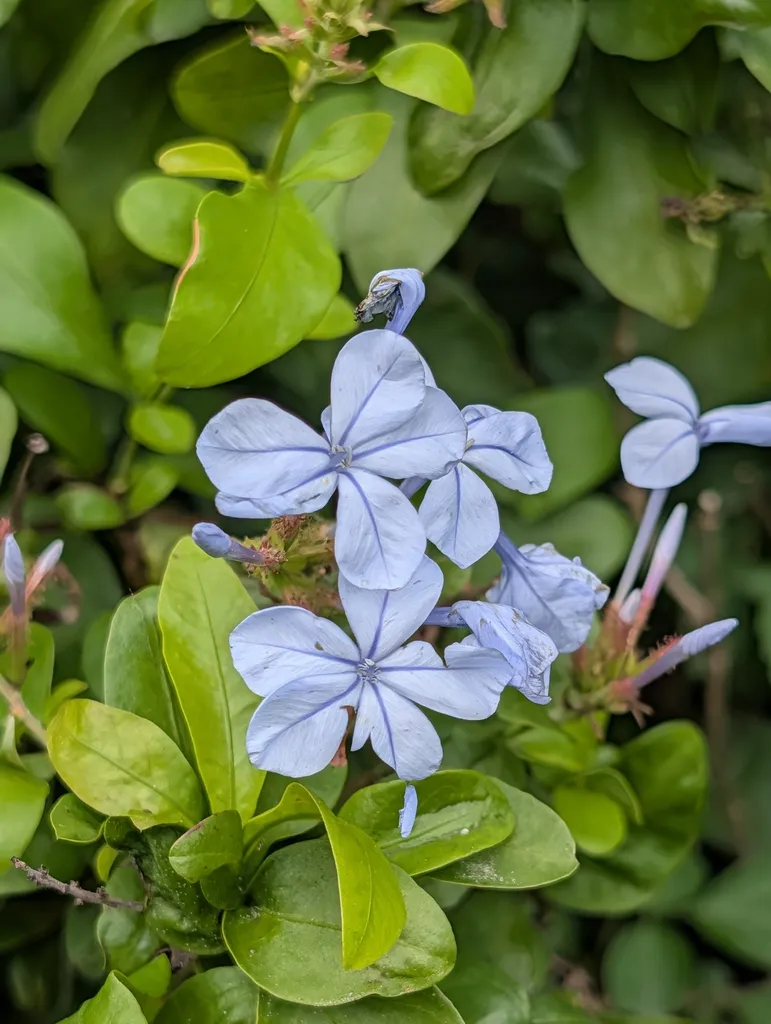
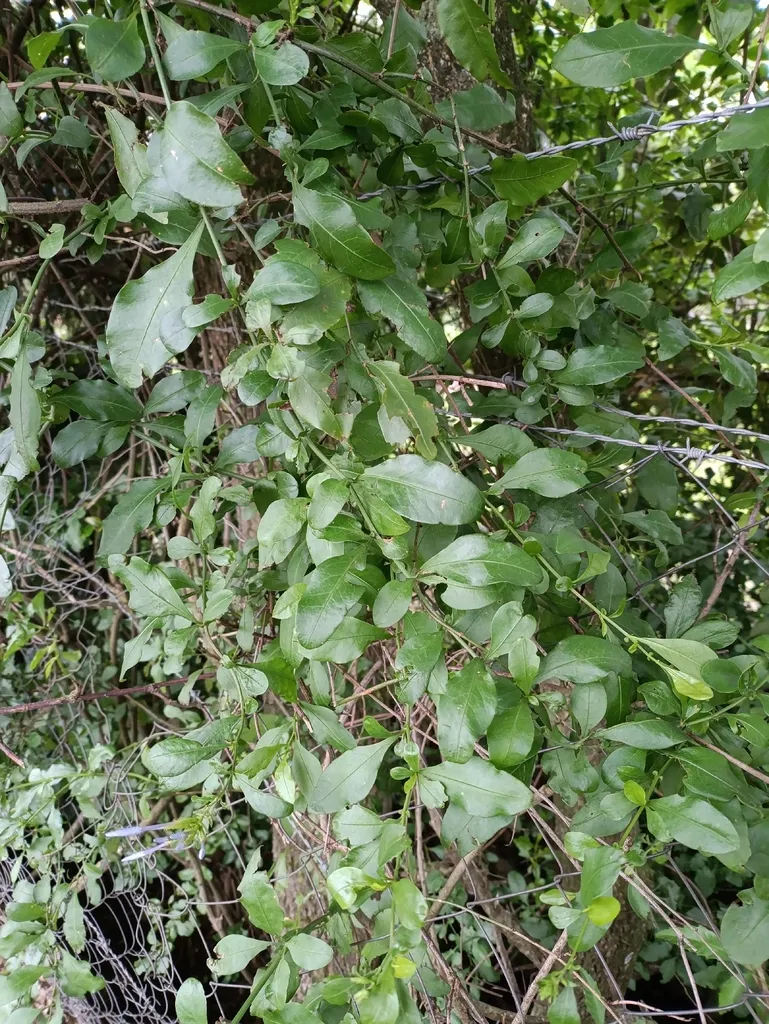
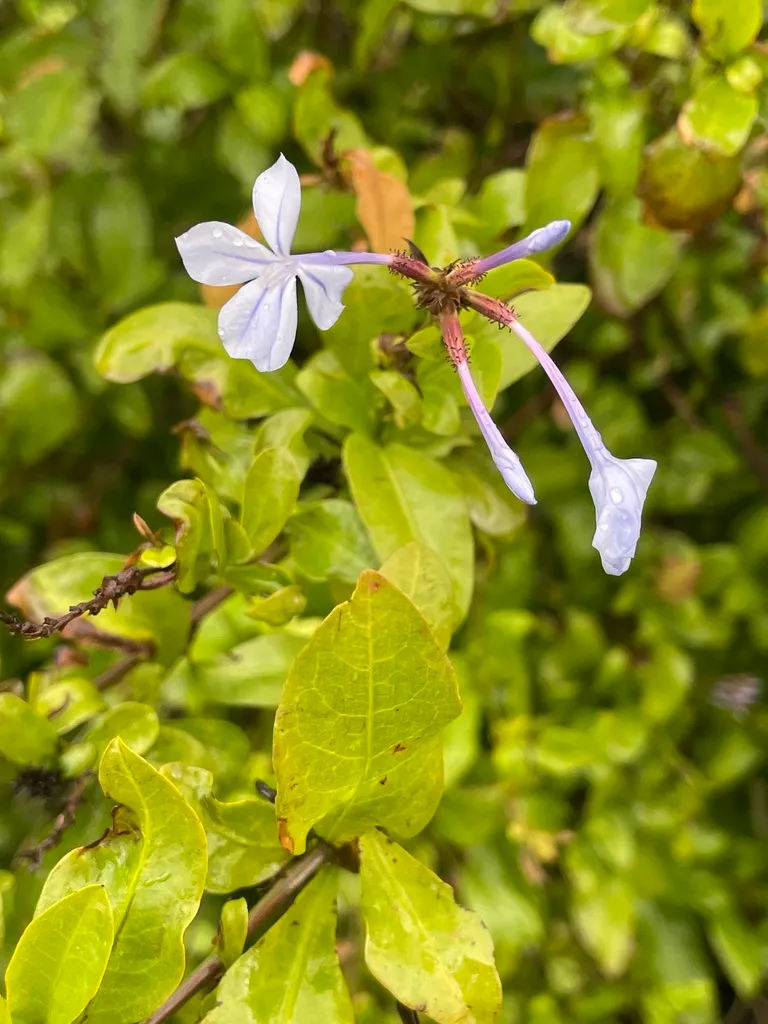
Cape leadwort is an evergreen shrub notable for its vibrant blue flowers and climbing nature. Prune in early spring or late winter to shape and control growth, removing dead or overcrowded stems. Regular pruning encourages fuller blooming and maintains the plant's health. Cut back by about one-third to stimulate new growth. Avoid heavy pruning during blooming season to prevent stress. Reference: Royal Horticultural Society, University of Florida IFAS Extension.
Learn more →How to Propagate Cape leadwort?

Cape leadwort is a versatile shraperfect for adding a splash of blue to any garden. Propagation can be done efficiently through cuttings. To ensure success, cut healthy non-flowering stems about 6 to 8 inches long. Remove the leaves from the lower half of the cutting and dip the cut end into rooting hormone powder to stimulate growth. Plant the treated end into a well-draining soil mix, providing consistent moisture and warmth. Roots typically establish within a few weeks, after which you can transplant your new cape leadwort to a permanent location.
Learn more →How to Transplant Cape leadwort?
The perfect time to transplant cape leadwort is during early to mid-spring, as this period provides optimal growing conditions. Choose a location with well-drained soil in full sun to partial shade. To ensure a successful transplant, gently loosen the rootball before planting.
Learn more →How to Care for Cape leadwort in Winter?

Cape leadwort hails from warm South Africa, naturally flourishing during mild conditions. It adapts to winter by shedding leaves and entering a resting phase. Gardeners caring for this resilient species should prioritize frost protection when temperatures dip below freezing, or consider overwintering indoors. Regular pruning post-winter helps cape leadwort to recover its lush foliar display. Nurturing cape leadwort during colder months brings the promise of stunning blue blooms come spring.
Learn more →How to Plant Cape leadwort?
Indoors-potted: Thriving indoors, cape leadwort adapts well to container life but requires regular pruning to maintain its shape and encourage bushier growth. Outdoors-potted: Cape leadwort, when kept in outdoor pots, benefits from being rotated regularly to ensure even growth as it reaches for the light. Outdoors-in the ground: In the garden soil, cape leadwort will spread readily, making it an excellent ground cover; be mindful of its invasive tendency and manage its space.
Learn more →How to Repot Cape leadwort?
Repot cape leadwort every 2-3 years, ideally during spring to support its bushy growth and flowering season. Choose a pot one size larger to accommodate its root system. Ensure the container has good drainage to prevent root rot. After repotting, place cape leadwort in indirect light and maintain even moisture for robust recovery and splendid blooms.
Learn more →Common Pests & Diseases

Diseases
Generally disease-free
Pests
May be susceptible to glasshouse red spider mite and glasshouse whitefly
Explore the plant health library →Troubleshooting
Leaf Scorch, Yellowing Chlorosis, or Root/Crown Decline
Cape leadwort (Plumbago auriculata) depends on deep, well-drained soil and appropriate sun/moisture balance; waterlogged roots, drought stress, or unsuitable soil pH quickly show in foliage color.
| What you notice | Possible explanation | What to check next |
|---|---|---|
| Leaf margins turn brown and crispy in summer heat, or young foliage wilts despite adequate sunlight | Drought stress, drying winds, or afternoon sun scorch (especially on thin-leaved trees like Acer palmatum or newly planted specimens) | Check soil moisture 10–15 cm (4–6 inches) deep and assess afternoon sun and wind exposure |
| Leaves turn pale yellow between dark green veins (interveinal chlorosis) or whole canopy yellows and thins | Alkaline soil pH locking up iron/manganese (critical for ericaceous Vaccinium corymbosum and lime-hating oaks/maples) or poor drainage causing root rot | Test soil pH and inspect root-zone drainage after heavy rain or irrigation |
- Plant in well-drained soil suited to its pH needs (Acid, Alkaline, Neutral pH) in full sun, mulching the root zone with organic bark or leaf mold kept clear of the trunk.
- Water deeply during dry spells, especially in the first two years after planting: Moderate regular watering, avoid prolonged drought and stagnant waterlogging.
- Protect frost-tender or container-grown woody species before winter freezes.
If sudden branch dieback with dark vascular streaking or mushroom growth at the base occurs (suspected Verticillium wilt or honey fungus), prune out dead wood cleanly and consult local extension diagnostics.
Poor Flowering/Fruiting or Sap-Sucking Pests and Mildew
Insufficient sunlight, improper pruning timing, or dense unpruned canopies can reduce blooms and fruit while encouraging aphids, scale, caterpillars, or powdery mildew.
| What you notice | Possible explanation | What to check next |
|---|---|---|
| Vigorous leafy shoots with few flowers or poor fruit set | Excessive shade, high-nitrogen fertilizer, pruning off old-wood flower buds at the wrong season, or lack of cross-pollination (for fruit crops like blueberries/cherries) | Review daily sun hours, fertilizer ratio, and pruning timing |
| Curled sticky new shoots, white powdery leaf coating, or chewed foliage | Common pests (May be susceptible to glasshouse red spider mite and glasshouse whitefly) or fungal issues (Generally disease-free) | Inspect shoot tips, leaf undersides, and inner canopy airflow |
- Prune at the appropriate seasonal window: On established plants, shorten sideshoots to three or four buds from the permanent framework; remove crowded or damaged shoots. Prune in early spring..
- Thin crowded interior shoots to improve sunlight penetration and air circulation, and clean up fallen leaves in autumn.
- Blast aphids off sturdy shoots with a firm water spray or use insecticidal soap per label instructions.
Avoid late-summer nitrogen feeding, which forces soft late growth vulnerable to early autumn frost.
The Toxicity of Cape leadwort
Skin irritant. Wear gloves and other protective equipment when handling