



Planting and Growing sword lily 'Antica'

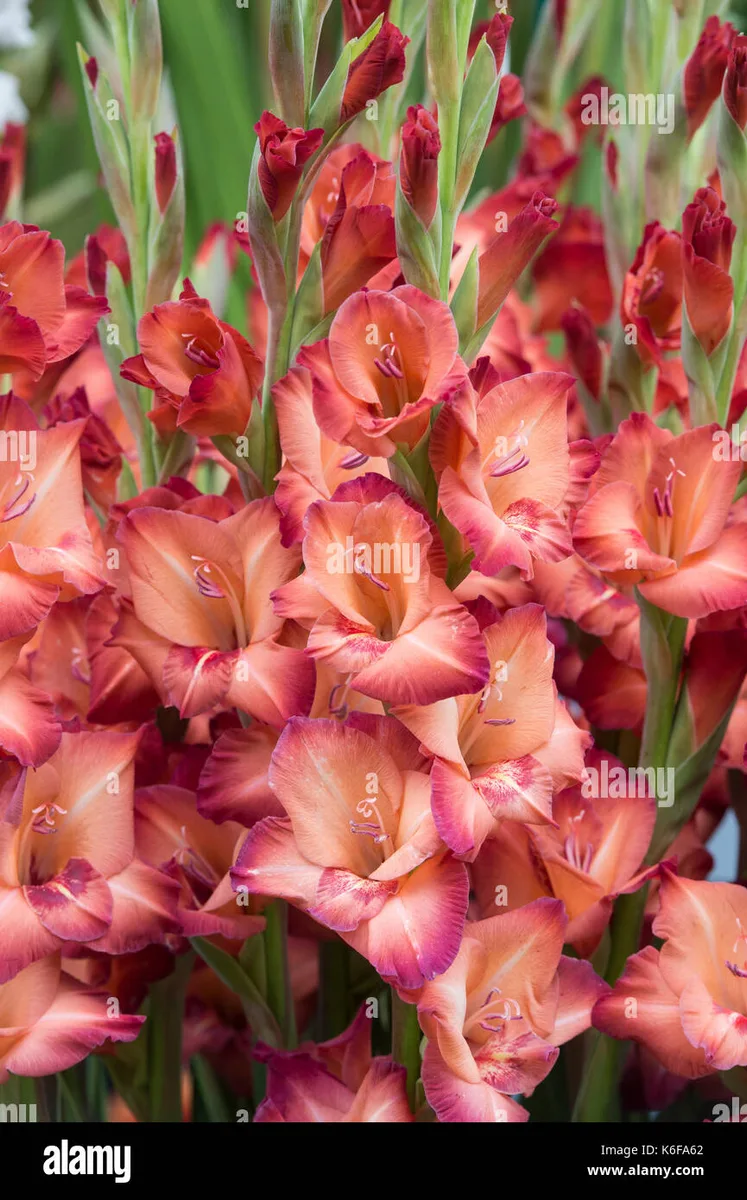
| Care difficulty | 3 / 5 |
|---|---|
| Watering schedule | Evenly moist soil pre-bloom, stop watering after foliage fully dies back |
| Sunlight requirements | Full sun |
| Ideal temperature | Information to be completed |
| Soil type | Chalk · Loam · Sand |
| Soil pH | Acid · Alkaline · Neutral |
| Soil moisture | Moist but well drained · Well drained |
| Fertilizing | High-potassium bulb feed every three weeks before blooming begins |
| Toxicity | Ornamental bulbs, not to be eaten. Wear gloves and other protective equipment when handling] |
How to Water sword lily 'Antica'?
Evenly moist soil pre-bloom, stop watering after foliage fully dies back
Learn more →What Are the Sunlight Requirements for sword lily 'Antica'?
Full sun
Learn more →What Soil Is Best for sword lily 'Antica'?
- Soil type
- Chalk · Loam · Sand
- Soil pH
- Acid · Alkaline · Neutral
What Are the Moisture Requirements for sword lily 'Antica'?
Moist but well drained · Well drained
Learn more →How to Fertilize sword lily 'Antica'?

High-potassium bulb feed every three weeks before blooming begins
Learn more →How to Prune sword lily 'Antica'?

No pruning required
Learn more →How to Propagate sword lily 'Antica'?

Propagate by division, separating cormlets when dormant
Learn more →How to Plant sword lily 'Antica'?
Grow in fertile, well-drained soil in full sun, planting the corms 15cm deep in spring, on a bed of sharp sand to aid drainage; in frost-prone areas, lift when the leaves turn yellow-brown, and store the new corms in a dry, frost-free place until the following spring; in milder areas, add a thick dry mulch overwinter
Learn more →Common Pests & Diseases

Diseases
May be susceptible to gladiolus corm rot, grey moulds (Botrytis), Fusarium bulb rot, gladiolus core rot, gladiolus dry rot, gladiolus scab and neck rot, fungal leaf spot, and virus diseases
Pests
May be susceptible to gladiolus thrip, aphids and slugs
Explore the plant health library →The Toxicity of sword lily 'Antica'
Ornamental bulbs, not to be eaten. Wear gloves and other protective equipment when handling]