



Planting and Growing Jacob's ladder

| Care difficulty | 3 / 5 |
|---|---|
| Watering schedule | Moderate regular watering, allowing brief slight drying between soakings |
| Sunlight requirements | Full sun · Partial shade |
| Ideal temperature | 15 – 25 °C |
| Soil type | Clay · Loam · Sand |
| Soil pH | Acid · Alkaline · Neutral |
| Soil moisture | Moist but well drained |
| Fertilizing | Balanced perennial feed every four weeks from spring through summer |
| Toxicity | Information to be completed |
How to Water Jacob's ladder?
Thriving in its native cool, damp habitats, jacob's ladder has adapted to require consistent moisture, indicative of its origins. Its water habits are balanced, neither demanding excessive hydration nor tolerating prolonged dryness. Watering every week is optimal to maintain its health. As a plant that favors moderate conditions, jacob's ladder is often cultivated outdoors where it can benefit from natural rainfall patterns. In the context of its preference for outdoor growth, jacob's ladder's ability to flower prolifically is closely tied to adequate watering during its growing season, ensuring a vibrant display.
Learn more →What Are the Sunlight Requirements for Jacob's ladder?
Jacob's ladder thrives in partial shade where the light is diffused, preferably with morning sunlight and afternoon shade. This level of light promotes robust growth and enhances flowering capabilities. While jacob's ladder is tolerant to full sun, excessive exposure can lead to leaf scorch and stress, particularly in hotter climates. In optimal light conditions, jacob's ladder displays healthy foliage and abundant blooms. It is best suited for outdoor gardens, ideally planted in locations that offer protection from harsh afternoon sun. This placement ensures the plant's longevity and vibrant appearance.
Learn more →What Is the Ideal Temperature Range for Jacob's ladder?

Jacob's ladder is notably resilient, enduring cold down to -25℃ (-13℉) and tolerating heat up to 38℃ (100℉). Its ability to survive such extremes makes jacob's ladder suitable for a variety of climates. In particularly cold regions, the plant may require mulching or other protective measures during freezing weather. Conversely, in hot climates, it may need shading or increased watering. Symptoms of cold stress include leaf browning and wilting, while heat stress may cause leaf scorching and drooping. To mitigate these, insulate the plant during cold spells and provide shade and hydration during heatwaves.
Learn more →What Soil Is Best for Jacob's ladder?
Jacob's ladder prefers well-draining soil to prevent water-logging. For a suitable soil mix, combine garden soil with equal parts of compost and perlite or coarse sand to improve aeration. Ensure the mix remains loose and airy. Enhance growth by incorporating a balanced, slow-release fertilizer during planting and reapplying it in mid-season. Regularly check drainage and avoid overwatering to maintain optimal health.
- Soil type
- Clay · Loam · Sand
- Soil pH
- Acid · Alkaline · Neutral
What Are the Moisture Requirements for Jacob's ladder?
Moist but well drained
Learn more →How to Fertilize Jacob's ladder?

For jacob's ladder, balanced nutrition fertilizers are typically ideal; however, during peak growing periods, a high-phosphorus fertilizer can promote robust flowering. Applying fertilizer monthly during the spring and summer — jacob's ladder's active growth stages — is beneficial. A quarter-strength dilution is optimal, preventing nutrient overload, which can be harmful. As seasons change, fertilization should reduce; cease in winter when jacob's ladder enters dormancy. Always water jacob's ladder thoroughly after fertilizing to aid absorption and prevent root burn. This targeted feeding bolsters growth, enhances blooms, and reinforces jacob's ladder's vitality.
Learn more →How to Prune Jacob's ladder?

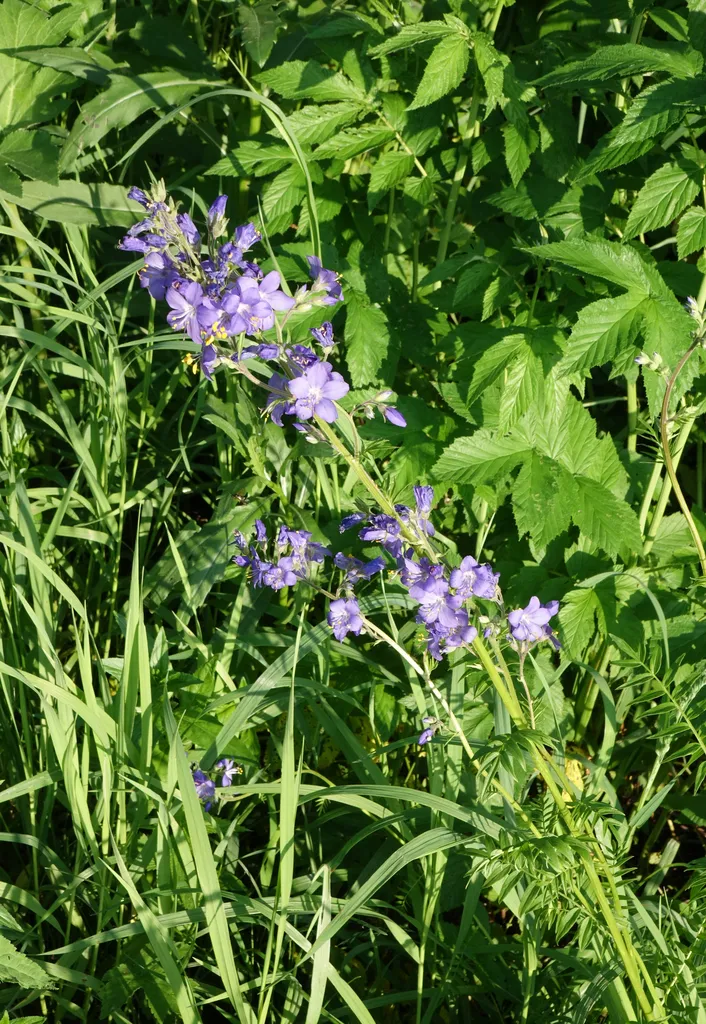
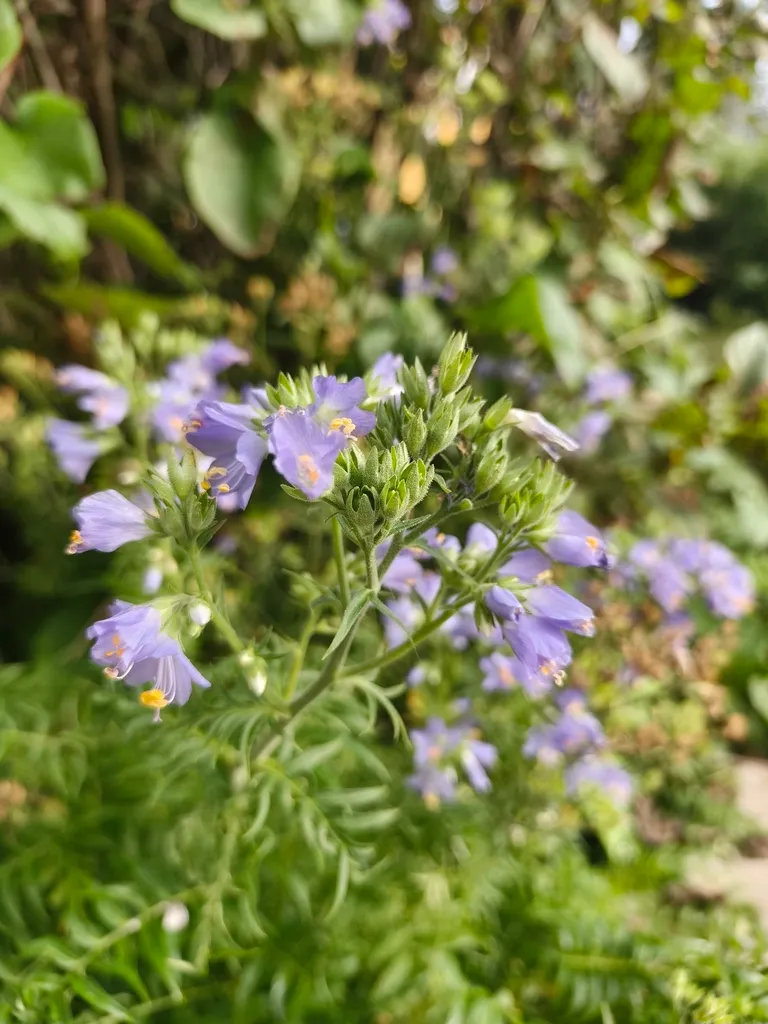
Characterized by its ladder-like leaf formation and blue or violet flowers, jacob's ladder should be pruned in early to late spring. Begin by inspecting for dead or damaged stems, cutting them back to the base. Trim spent flower stalks post-bloom to encourage further growth and maintain shape. Pruning in spring promotes vigorous, healthy growth and prevents legginess. Regular pruning also enhances airflow, reducing disease risk.
Learn more →How to Propagate Jacob's ladder?

Jacob's ladder is a perennial that thrives in partially shaded areas and can be successfully propagated through division. For best results, gardeners should divide the plant in early spring or autumn by gently separating the clumps, ensuring that each new section has roots attached. It is essential to replant the divisions promptly and water them adequately, allowing the roots to establish in their new location. Careful handling during division and providing a balanced environment for root growth are critical for propagation success.
Learn more →How to Transplant Jacob's ladder?
For thriving growth, jacob's ladder is best relocated during the blissful glow of early summer, taking advantage of milder temperatures for root acclimation. Ensure a spot that offers morning sunlight with afternoon shade, and gently encourage jacob's ladder to the new location with care.
Learn more →How to Care for Jacob's ladder in Winter?

Information to be completed
Learn more →How to Plant Jacob's ladder?
Indoors-potted: Ensure jacob's ladder has room to grow; it thrives with space as a potted indoor plant, reflecting its natural spreading habit. Outdoors-potted: Outdoor pots can constrain jacob's ladder's spread, focus on vertical growth support for this naturally expansive herb. Outdoors-in the ground: Jacob's ladder, when planted in-ground, benefits from seasonal changes which stimulate its perennial cycle and deciduous nature.
Learn more →How to Repot Jacob's ladder?
Repot jacob's ladder every 2-3 years in early spring to encourage its elegant stalks and clustered leaflets to thrive. Select a medium-sized pot that allows for good drainage and room to grow. Post-repot, place in indirect light and maintain moist soil without overwatering. Providing this care ensures jacob's ladder's distinctive ladder-like foliage remains robust and vibrant.
Learn more →How to Harvest Jacob's ladder?

Information to be completed
Learn more →Common Pests & Diseases

Diseases
Powdery mildews can sometimes be a problem
Pests
Usually trouble free
Explore the plant health library →The Toxicity of Jacob's ladder
Information to be completed