



Planting and Growing Crataegus persimilis 'Prunifolia Splendens'

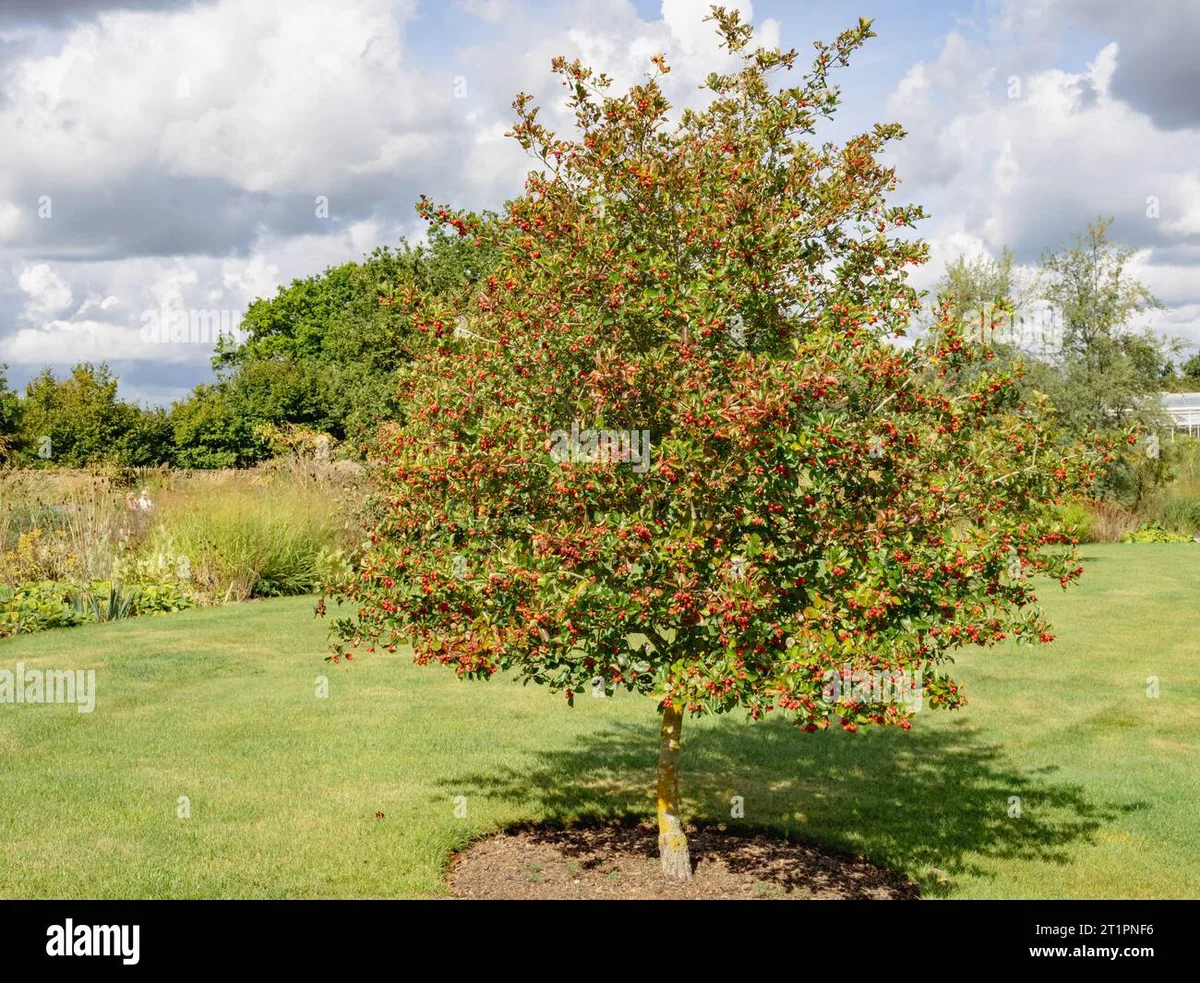
| Care difficulty | 2 / 5 |
|---|---|
| Watering schedule | Moderate watering, let top soil dry lightly between irrigations |
| Sunlight requirements | Full sun · Partial shade |
| Ideal temperature | Information to be completed |
| Soil type | Chalk · Clay · Loam · Sand |
| Soil pH | Acid · Alkaline · Neutral |
| Soil moisture | Moist but well drained · Well drained |
| Fertilizing | Add slow release tree fertilizer once at early spring each year |
| Toxicity | Fruit are ornamental - not to be eaten. Wear gloves and other protective equipment when handling |
How to Water Crataegus persimilis 'Prunifolia Splendens'?
Moderate watering, let top soil dry lightly between irrigations
Learn more →What Are the Sunlight Requirements for Crataegus persimilis 'Prunifolia Splendens'?
Full sun · Partial shade
Learn more →What Soil Is Best for Crataegus persimilis 'Prunifolia Splendens'?
- Soil type
- Chalk · Clay · Loam · Sand
- Soil pH
- Acid · Alkaline · Neutral
What Are the Moisture Requirements for Crataegus persimilis 'Prunifolia Splendens'?
Moist but well drained · Well drained
Learn more →How to Fertilize Crataegus persimilis 'Prunifolia Splendens'?

Add slow release tree fertilizer once at early spring each year
Learn more →How to Prune Crataegus persimilis 'Prunifolia Splendens'?

Little pruning is needed. Remove diseased, damaged, crowded or crossing shoots and unwanted growth. Timing depends on the plant: generally late winter or early spring; plants prone to bleeding and deciduous magnolias need different timing, and deciduous azaleas and lilacs are pruned after flowering.
Learn more →How to Propagate Crataegus persimilis 'Prunifolia Splendens'?

Propagate by grafting in winter
Learn more →How to Plant Crataegus persimilis 'Prunifolia Splendens'?
Grows well in most soils, in sun or partial shade. Dislikes waterlogging
Learn more →Common Pests & Diseases

Diseases
May be susceptible to fireblight, honey fungus, crown gall, silver leaf, powdery mildews and leaf spots
Pests
May be susceptible to caterpillars, aphids and hawthorn button top midge
Explore the plant health library →The Toxicity of Crataegus persimilis 'Prunifolia Splendens'
Fruit are ornamental - not to be eaten. Wear gloves and other protective equipment when handling