



Planting and Growing Dahlia 'Nenekazi'

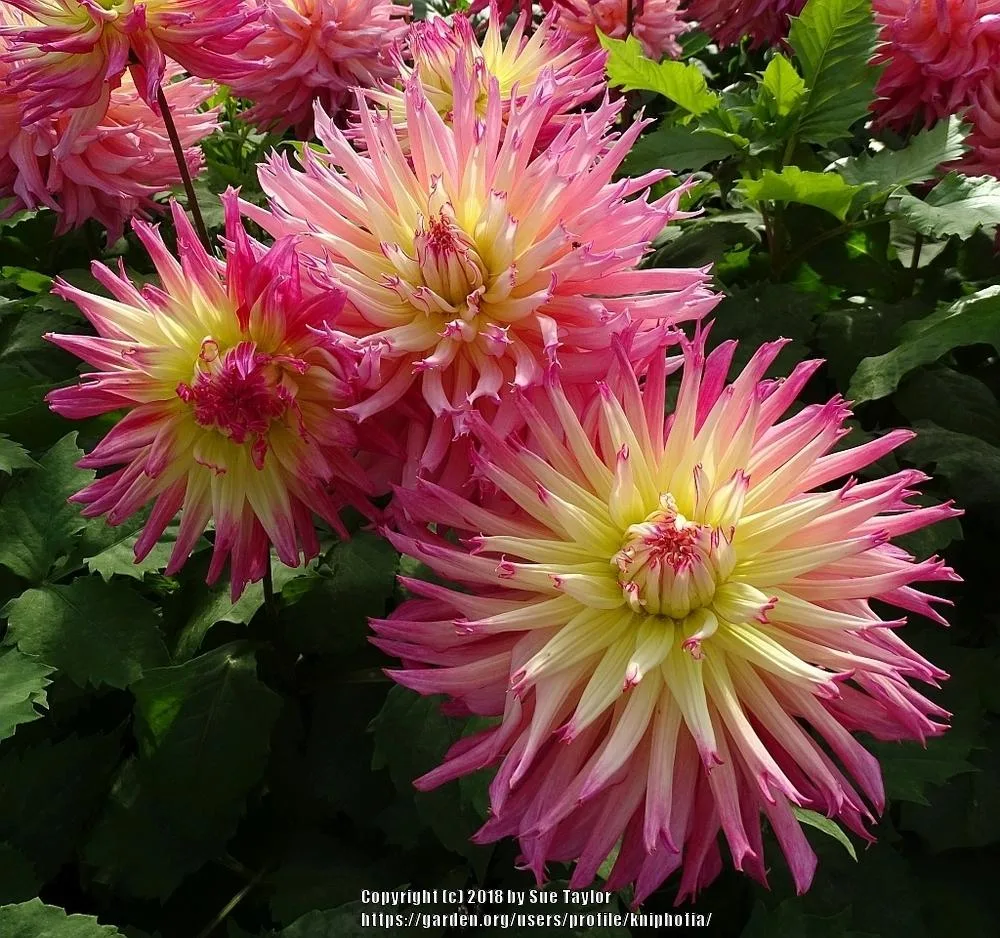
| Care difficulty | 3 / 5 |
|---|---|
| Watering schedule | Water deeply and regularly once active growth starts |
| Sunlight requirements | Full sun |
| Ideal temperature | Information to be completed |
| Soil type | Clay · Loam · Sand |
| Soil pH | Acid · Alkaline · Neutral |
| Soil moisture | Moist but well drained |
| Fertilizing | Rich balanced feed from growth until late flowering |
| Toxicity | Information to be completed |
How to Water Dahlia 'Nenekazi'?
Water deeply and regularly once active growth starts
Learn more →What Are the Sunlight Requirements for Dahlia 'Nenekazi'?
Full sun
Learn more →What Soil Is Best for Dahlia 'Nenekazi'?
- Soil type
- Clay · Loam · Sand
- Soil pH
- Acid · Alkaline · Neutral
What Are the Moisture Requirements for Dahlia 'Nenekazi'?
Moist but well drained
Learn more →How to Fertilize Dahlia 'Nenekazi'?

Rich balanced feed from growth until late flowering
Learn more →How to Prune Dahlia 'Nenekazi'?

Deadhead to prolong flowering; cut back to the ground in autumn and either lift and store for the winter or mulch well and leave in place in milder regions
Learn more →How to Propagate Dahlia 'Nenekazi'?

Propagate from softwood cuttings in spring taken from stored tubers or divide the tubers ensuring each division has a viable bud
Learn more →How to Plant Dahlia 'Nenekazi'?
Plant tubers 10-15cm deep in fertile, humus-rich, well-drained soil in full sun. Cut back to near ground level in the autumn, then, in mild areas and on well-drained soils leave the tuber in the ground protected with a deep organic mulch; in colder areas or on heavy soils, lift and store the tubers; see dahlia cutlivation
Learn more →Common Pests & Diseases

Diseases
May be susceptible to a virus; tubers may rot in storage
Pests
May be susceptible to aphids, capsid bugs, earwigs, caterpillars, slugs, glasshouse red spider mite and onion thrips
Explore the plant health library →