



Planting and Growing common winter cactus

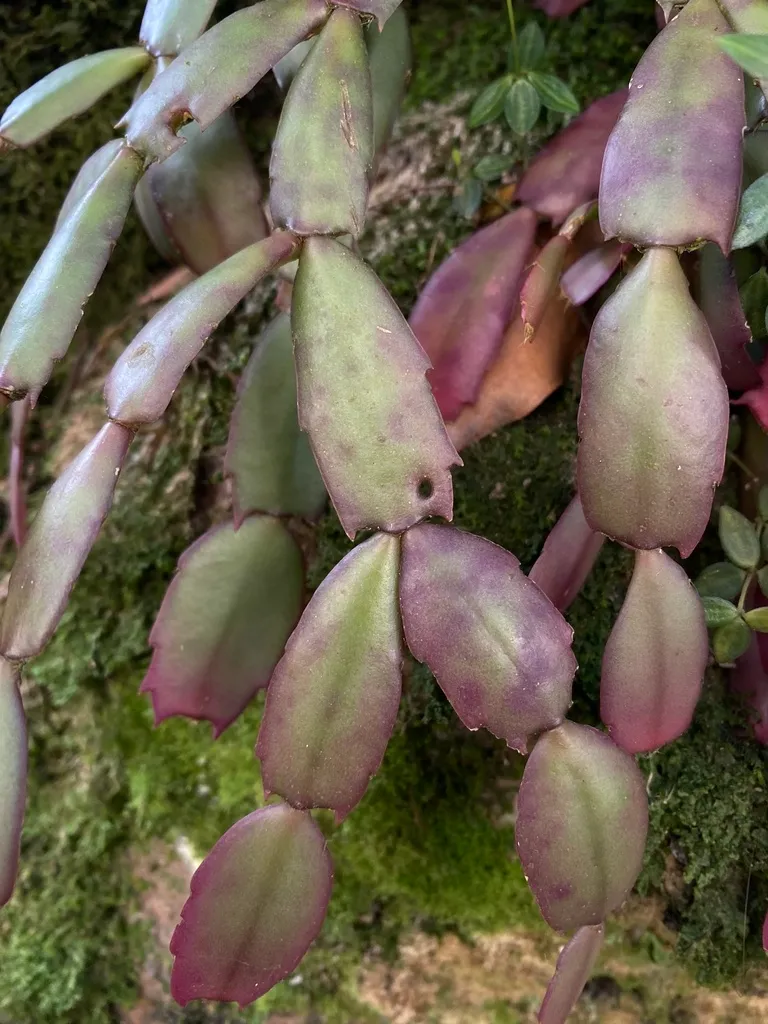
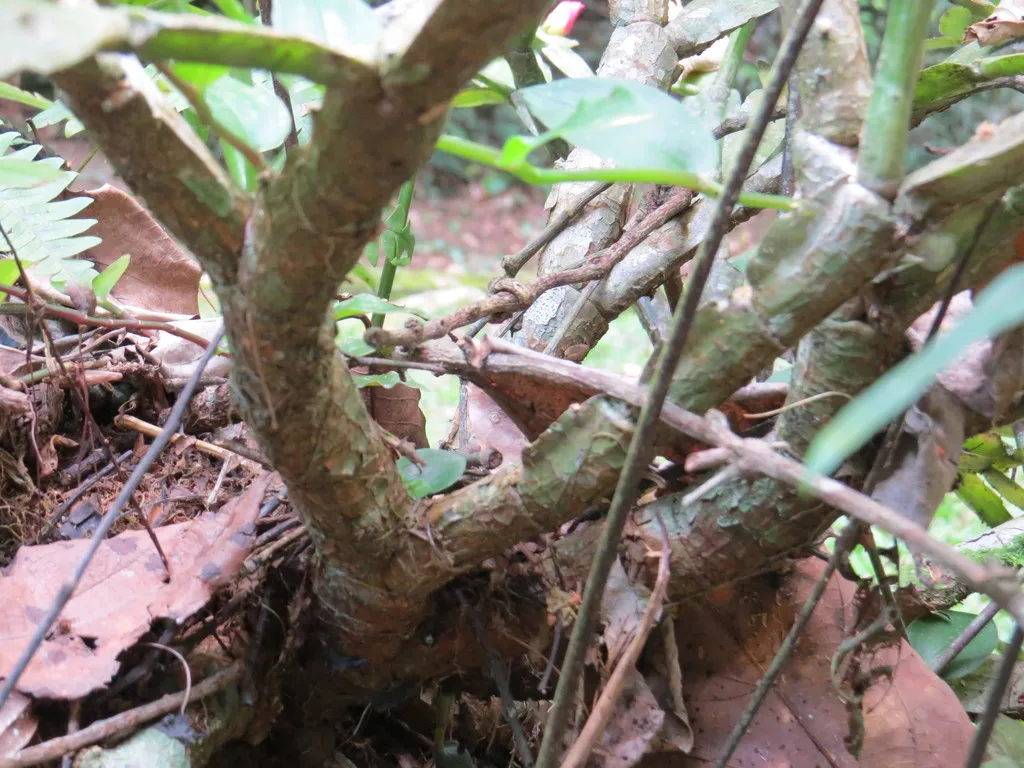
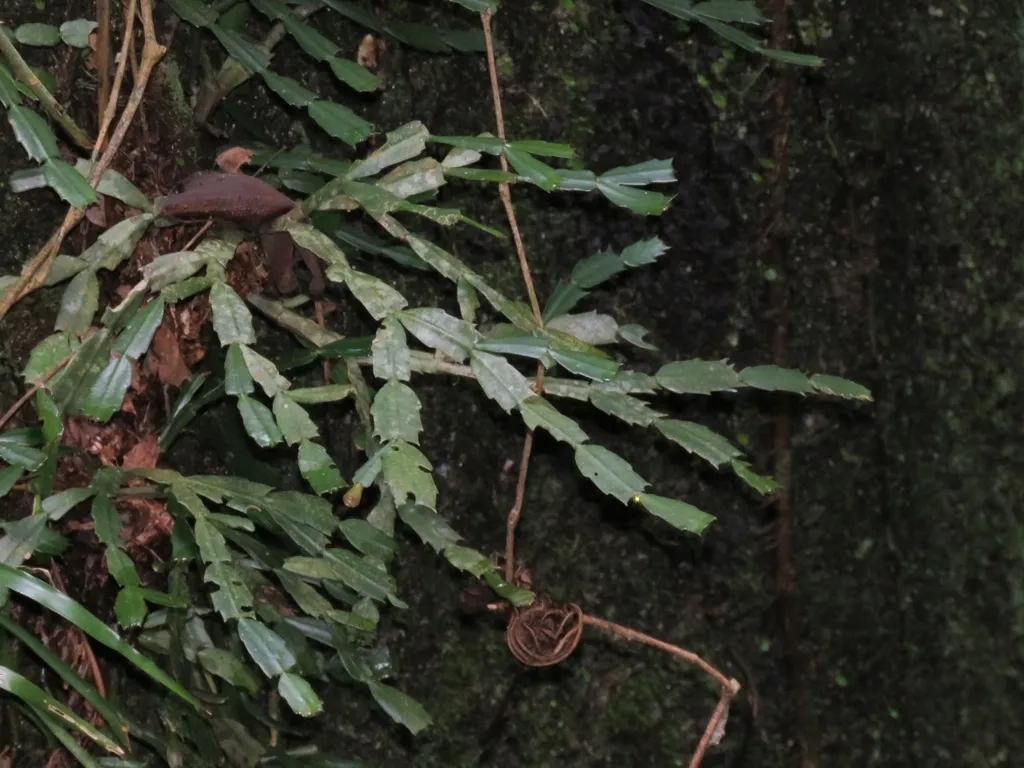
| Care difficulty | 2 / 5 |
|---|---|
| Watering schedule | Sparse watering when substrate fully dry, halt irrigation in cold winter |
| Sunlight requirements | Partial shade |
| Ideal temperature | 15 – 25 °C |
| Soil type | Sand · Loam |
| Soil pH | Acid · Neutral |
| Soil moisture | Well drained · Moist but well drained |
| Fertilizing | Highly diluted cactus feed once per warm autumn growing month |
| Toxicity | Information to be completed |
How to Water common winter cactus?
False christmas cactus hails from the tropical rainforests, where it thrives in high humidity. It has a balanced water requirement, neither too much nor too little. This plant should be watered once every 2-3 weeks to maintain its health. As an evergreen plant, false christmas cactus retains its leaves throughout the year, making it crucial to monitor its water intake even during colder months.
Learn more →What Are the Sunlight Requirements for common winter cactus?
False christmas cactus thrives in partial sun, requiring bright but indirect light to optimize its growth and flowering potential. While false christmas cactus can tolerate full shade, such conditions may lead to reduced vigor and fewer blooms. Ideally, false christmas cactus prefers light exposure for up to 12-14 hours a day to mimic their natural habitat. Deviation from these conditions can result in leggy growth, pale leaves, and diminished health. If grown indoors, east- or north-facing windows are ideal locations, whereas outdoors they perform best in dappled sunlight. Their foliage may darken when adapting to lower light intensities, as a unique trait to maximize light absorption.
Learn more →What Is the Ideal Temperature Range for common winter cactus?

False christmas cactus exhibits commendable resilience to temperature variations, tolerating from 0℃ (32℉) to 43℃ (109℉). Despite this adaptability, it's sensitive to extremes, necessitating protective measures during harsh weather. Overheating can result in leaf yellowing and wilting, while overcooling may cause stunted growth and leaf drop. Ensure adequate shading and air circulation in hot conditions, and move the plant to a warmer spot or use frost cloths during cold spells. This adaptability makes false christmas cactus suitable for a variety of environments but requires attentive care to manage temperature extremes.
Learn more →What Soil Is Best for common winter cactus?
False christmas cactus thrives in well-draining soil to prevent root decay. A suitable mix includes equal parts succulent & cactus soil, perlite, and orchid bark, providing aeration and drainage. In absence of specialized soil, mix regular potting soil with pumice or coarse sand. To boost growth, incorporate slow-release fertilizer at the start of the growing season. Ensure pots have drainage holes to avoid waterlogging.
- Soil type
- Sand · Loam
- Soil pH
- Acid · Neutral
What Are the Moisture Requirements for common winter cactus?
Well drained · Moist but well drained
Learn more →How to Fertilize common winter cactus?

Fertilize false christmas cactus with a half-strength cacti fertilizer every 2-4 weeks during active growth in spring and summer. This boosts flowering and health. Avoid over-fertilization to prevent root burn. In fall and winter, reduce feeding as false christmas cactus enters a rest period. Use precise amounts as instructed on the fertilizer package for safety and effectiveness.
Learn more →How to Prune common winter cactus?

Cut the plant back in spring to encourage fuller growth. It will branch out and flowers will grow at the cut. Clean and sharp pruning shears are the best instruments for this to avoid ripping the stem.
Learn more →How to Propagate common winter cactus?

False christmas cactus can be effectively propagated by cuttings. To ensure success, it's crucial to use a clean, sharp implement when taking a segment from a healthy parent plant. Cuttings should include one or two segments and be left to callous for a few days before planting in well-draining soil. When watering, a light touch is necessary to prevent rot. Rooting usually occurs within a few weeks, after which you can follow regular care guidelines for false christmas cactus.
Learn more →How to Transplant common winter cactus?
The ideal season for transplanting false christmas cactus is mid to late spring or mid to late fall, as the plant benefits from cooler temperatures and more stable soil conditions. Make sure to choose a location with well-draining soil, adequate sunlight, and protection from harsh winds.
Learn more →How to Care for common winter cactus in Winter?

False christmas cactus originates from Brazil's coastal mountains, a naturally cool and misty clime. To survive its winter dormancy, false christmas cactus reduces growth, requiring less water and light. Adapting this natural routine to indoor care, reduce watering and shift false christmas cactus to a cooler area with less light. Despite this rest period, its enchanting winter bloom sets it apart, making insightful care worthwhile.
Learn more →How to Plant common winter cactus?
Indoors-potted: For indoor cultivation, false christmas cactus thrives with consistent temperatures and humidity levels; too much fluctuation can hinder bloom production. Outdoors-potted: False christmas cactus in outdoor pots benefit from shaded areas during the hottest part of the day to prevent leaf scorch and ensure vibrant flowering. Outdoors-in the ground: Planting false christmas cactus outdoors in the ground requires a sheltered location to protect its delicate foliage from harsh elements like strong winds.
Learn more →How to Repot common winter cactus?
Best repotted biennially, false christmas cactus, with its cascading stems, thrives when its roots are slightly bound. Schedule repotting post-bloom, in spring, to foster recovery in the active growth season. Choose a slightly larger pot for support. Post-repotting, prioritize indirect light and slight moisture to ensure false christmas cactus flourishes without stress. Regular watering resumes when false christmas cactus has acclimated, usually within 2-4 weeks.
Learn more →How to Harvest common winter cactus?

The fruits of the false christmas cactus are not eaten. They are harvestable only for seeds if one wishes.
Learn more →Common Pests & Diseases

Diseases
Generally disease-free
Pests
May be susceptible to mealybugs
Explore the plant health library →The Toxicity of common winter cactus
Information to be completed