



Planting and Growing Haller's pasqueflower

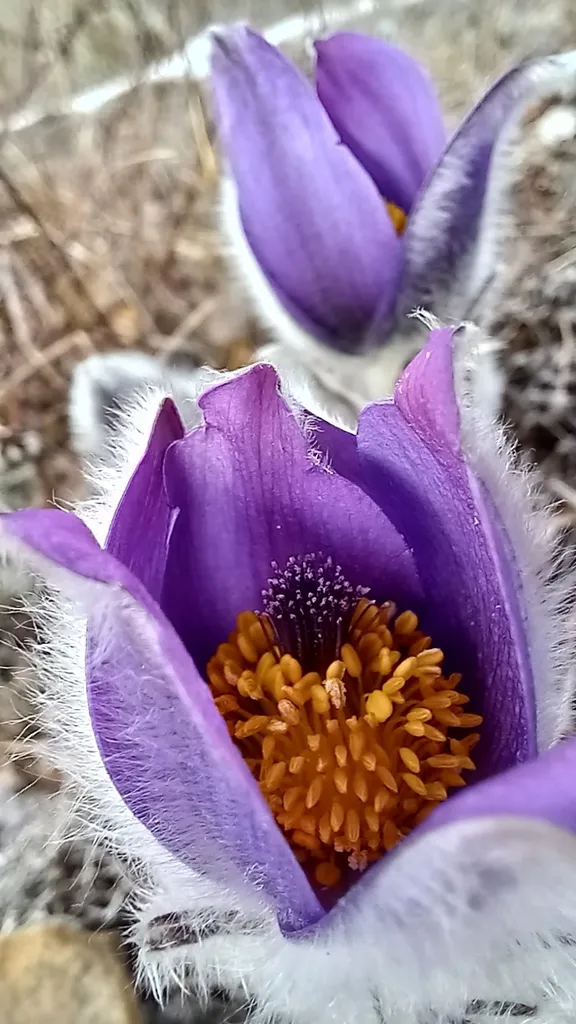
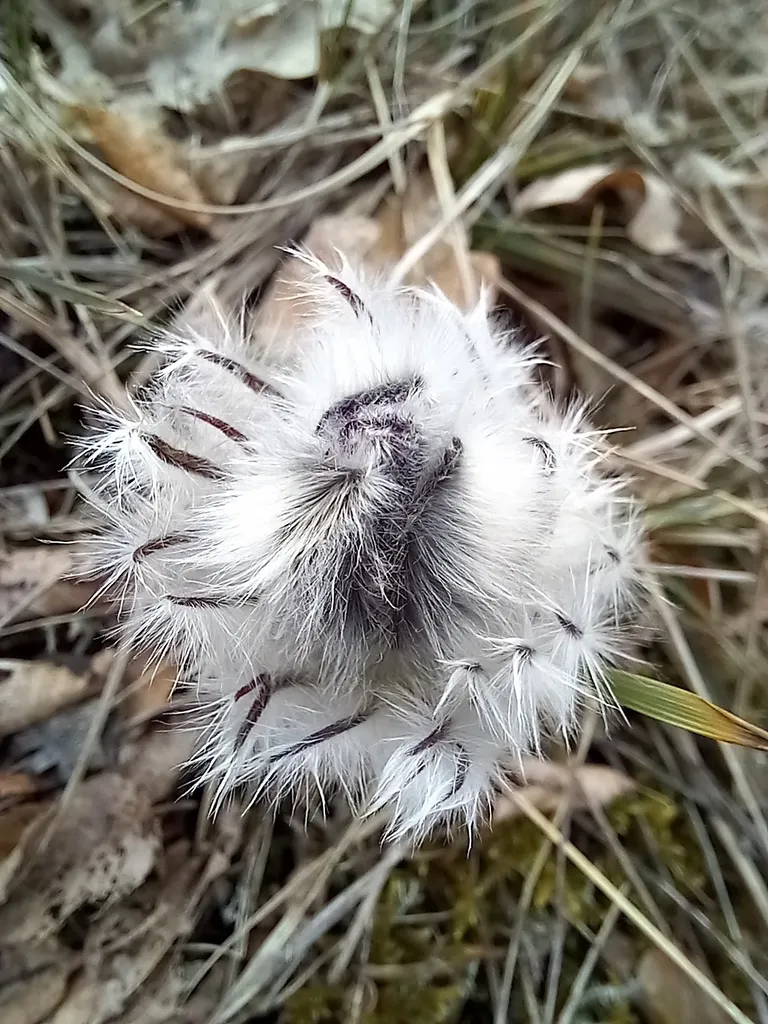
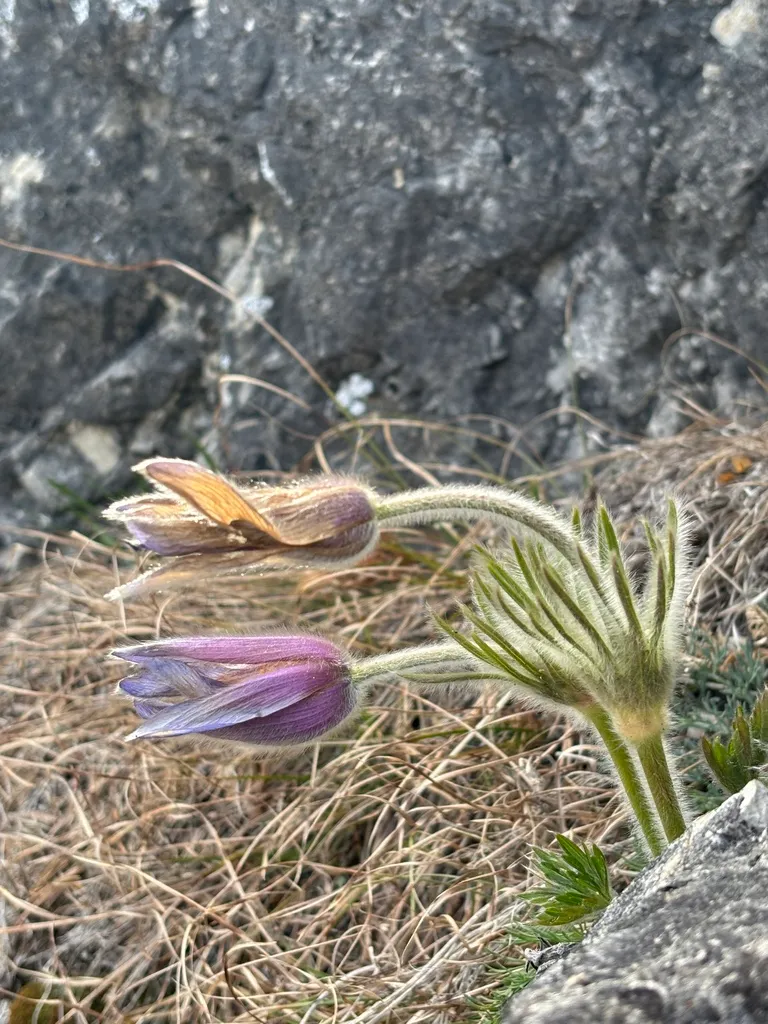
| Care difficulty | 3 / 5 |
|---|---|
| Watering schedule | Light regular watering, fast drainage avoids waterlogged root tissues |
| Sunlight requirements | Full sun |
| Ideal temperature | Information to be completed |
| Soil type | Chalk · Loam · Sand |
| Soil pH | Acid · Neutral |
| Soil moisture | Well drained |
| Fertilizing | Extremely weak alpine organic feed monthly only in spring growth stage |
| Toxicity | Can cause mild stomach upset if ingested. Wear gloves and wash hands after handling |
How to Water Haller's pasqueflower?
Light regular watering, fast drainage avoids waterlogged root tissues
Learn more →What Are the Sunlight Requirements for Haller's pasqueflower?
Full sun
Learn more →What Soil Is Best for Haller's pasqueflower?
- Soil type
- Chalk · Loam · Sand
- Soil pH
- Acid · Neutral
What Are the Moisture Requirements for Haller's pasqueflower?
Well drained
Learn more →How to Fertilize Haller's pasqueflower?

Extremely weak alpine organic feed monthly only in spring growth stage
Learn more →How to Prune Haller's pasqueflower?

Leave faded flowers as seedheads are an attractive feature
Learn more →How to Propagate Haller's pasqueflower?

Propagate by seed sown in pots in an open frame as soon as seed is ripe. Propagate by taking root cuttings in winter
Learn more →How to Plant Haller's pasqueflower?
Grow in fertile, very well-drained soil in full sun. It resents root disturbance and may be difficult to establish, so plant when small and leave undisturbed. Can also be grown in pots in an alpine house
Learn more →Common Pests & Diseases

Diseases
Generally disease free
Pests
Generally pest-free
Explore the plant health library →The Toxicity of Haller's pasqueflower
Can cause mild stomach upset if ingested. Wear gloves and wash hands after handling