



Planting and Growing traveller's palm

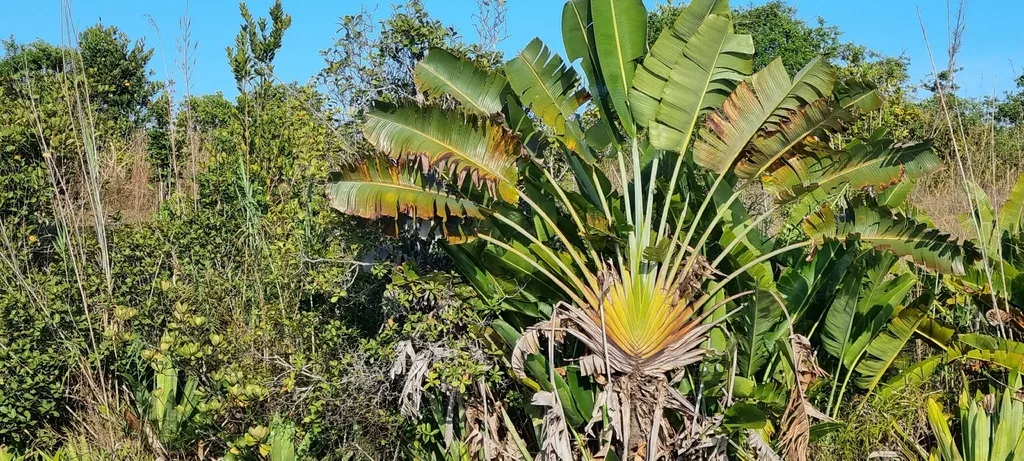
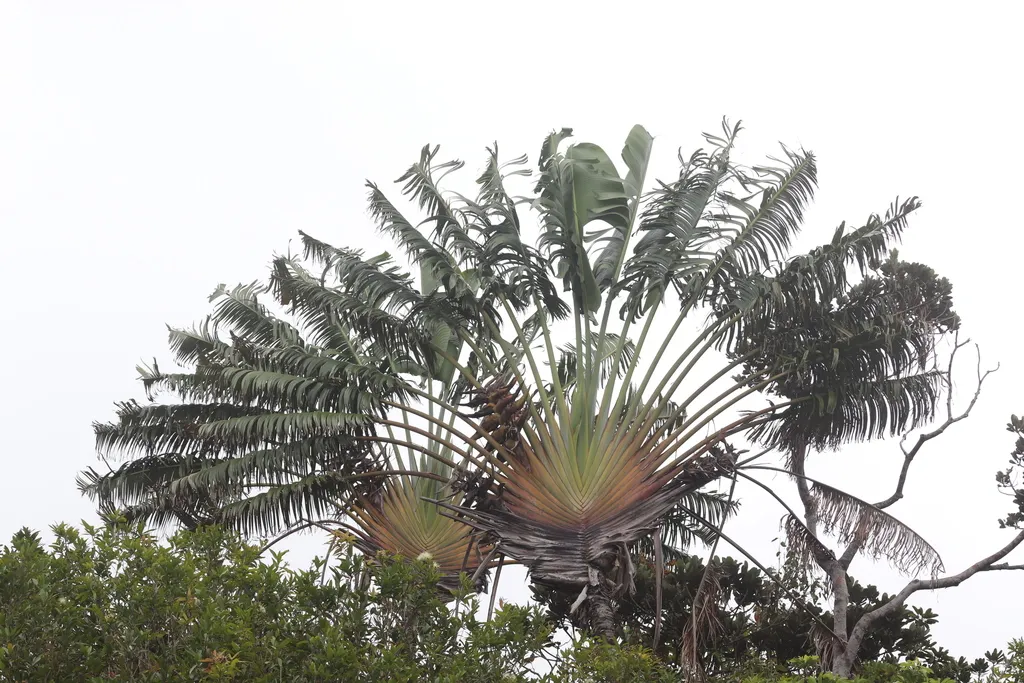
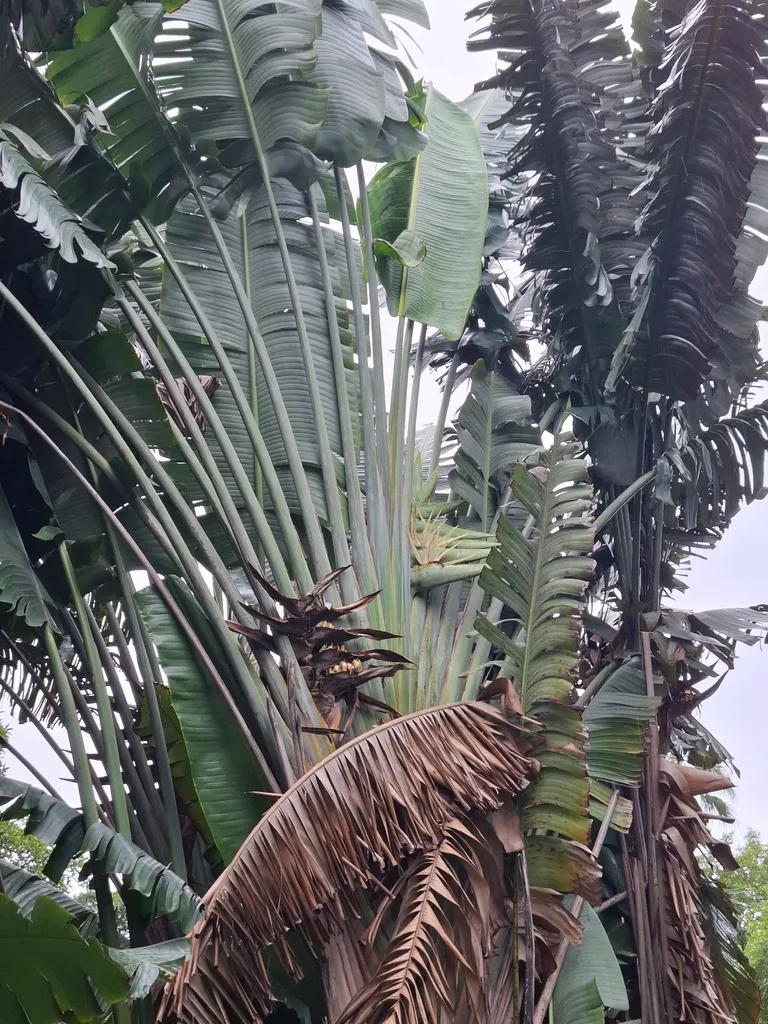
| Care difficulty | 3 / 5 |
|---|---|
| Watering schedule | Moderate regular watering, allowing brief slight drying between soakings |
| Sunlight requirements | Full sun |
| Ideal temperature | 20 – 30 °C |
| Soil type | Chalk · Loam · Sand |
| Soil pH | Acid · Alkaline · Neutral |
| Soil moisture | Moist but well drained |
| Fertilizing | Balanced perennial feed every four weeks from spring through summer |
| Toxicity | Information to be completed |
How to Water traveller's palm?
Originating from the moist, tropical environments of Madagascar, traveller's palm thrives in conditions that mimic its native high humidity. This species is known for its preference for consistent moisture but also exhibits a degree of drought tolerance once established. It requires watering every week to maintain its lush appearance. As an evergreen plant commonly grown outdoors due to its size and visual impact, traveller's palm benefits greatly from rainfall patterns that align with its natural habitat's climate, ensuring a steady growth cycle.
Learn more →What Are the Sunlight Requirements for traveller's palm?
Traveller's palm thrives best under full sun conditions, which fuels its robust growth and enhances its lush, fan-like foliage. The plant's preferred intensity is the bright, unfiltered light of the tropics, with a need for extended photoperiods, mirroring its native environment. While traveller's palm exhibits tolerance for partial sun, insufficient light can lead to leggy growth and a compromised stature. Outdoors, traveller's palm should be situated in a position that captures plenty of sunlight, avoiding deeply shaded areas. The ample light exposure allows traveller's palm's leaves to orient and adjust to optimize photosynthesis, a unique characteristic of its adaptive traits.
Learn more →What Is the Ideal Temperature Range for traveller's palm?

Traveller's palm is quite adaptable to temperature variations. It can endure cold conditions down to 5℃ (41℉) but thrives better in warmer climates. It exhibits resilience against heat up to 45℃ (113℉). This tolerance means traveller's palm requires some care during extreme weather, such as providing shelter or moving it indoors during cold snaps. Signs of stress include yellowing leaves in heat and browning or wilting in cold. To counter these, increase watering and shade during heat, and use frost cloths or move indoors during cold. Thus, traveller's palm is suitable for regions with mild winters and hot summers, necessitating moderate protective measures.
Learn more →What Soil Is Best for traveller's palm?
Traveller's palm requires well-draining soil that prevents water-logging. A suitable mix includes equal parts potting mix and perlite or sand for enhanced aeration. To ensure good drainage, use a pot with holes and a layer of gravel at the bottom. Incorporate slow-release fertilizer during planting and biannually. If perlite is unavailable, pumice or coarse grit are suitable substitutes. This mix promotes healthy root development and growth for traveller's palm.
- Soil type
- Chalk · Loam · Sand
- Soil pH
- Acid · Alkaline · Neutral
What Are the Moisture Requirements for traveller's palm?
Moist but well drained
Learn more →How to Fertilize traveller's palm?

Fertilize traveller's palm monthly with high nitrogen fertilizers to boost leaf development and overall vigor. A controlled-release formula or liquid concentrate is ideal. Apply as directed, avoiding over-fertilization which can harm traveller's palm. Adjust the regime with seasonal growth changes—less in winter. Use gloves and follow safety instructions to ensure proper application. Regular fertilization results in lush foliage and robust growth, enhancing traveller's palm's tropical appeal.
Learn more →How to Prune traveller's palm?

Traveller's palm, a majestic plant with large, fan-like leaves, requires careful pruning for optimal growth. Prune dead or damaged leaves at the base during early-to-late spring to encourage new growth. Regularly remove any suckers to maintain the plant's structure. Proper pruning improves air circulation and reduces disease risk. Adhering to seasonal timing ensures minimal stress and maximizes growth potential, essential for a healthy, thriving traveller's palm.
Learn more →How to Propagate traveller's palm?

Traveller's palm propagation is best done through stem cuttings in spring or summer. Its propagation is moderately difficult, and successful rooting is indicated by new leaf growth. Ensure high humidity and good drainage for greater success.
Learn more →How to Transplant traveller's palm?
The ideal season for transplanting traveller's palm is mid-spring to late spring or late fall to early winter, as the temperature is mild and helps the roots establish. Select a well-drained location with ample sunlight. Consider transplanting in groups for a stunning display. Happy planting!
Learn more →How to Care for traveller's palm in Winter?

Traveller's palm hails from the warm climates of Madagascar, natively enduring only mild winters. Naturally, frost and severe cold are not part of traveller's palm's winter vocab. In non-tropical landscapes, gardeners must shield traveller's palm indoors or provide a heated greenhouse during chilly months. Remember, a well-drained, frost-free, bright space is traveller's palm's winter haven!
Learn more →How to Plant traveller's palm?
Indoors-potted: Ensure traveller's palm has ample space to grow indoors; its broad leaves need room to fan out, symbolizing an open hand inviting fortune. Outdoors-potted: Traveller's palm, when potted outside, craves stability; protect it from strong winds that can fracture its iconic fan-like foliage. Outdoors-in the ground: In the ground, traveller's palm becomes a natural compass, aligning its leaf growth east-west; give it space to exhibit this unique behavior.
Learn more →How to Repot traveller's palm?
Repot traveller's palm every 2-3 years to accommodate its rapid growth and large size. Known for its fan-shaped foliage, traveller's palm thrives best in large containers that offer ample room for root development. Repot in spring to enhance recovery and new growth. Post-repotting, ensure high humidity and consistent watering to help traveller's palm settle. Use a well-draining soil mix in a spacious pot to foster healthy results.
Learn more →Common Pests & Diseases

Diseases
Generally disease-free
Pests
May be susceptible to glasshouse red spider mite
Explore the plant health library →