



Planting and Growing African marigold

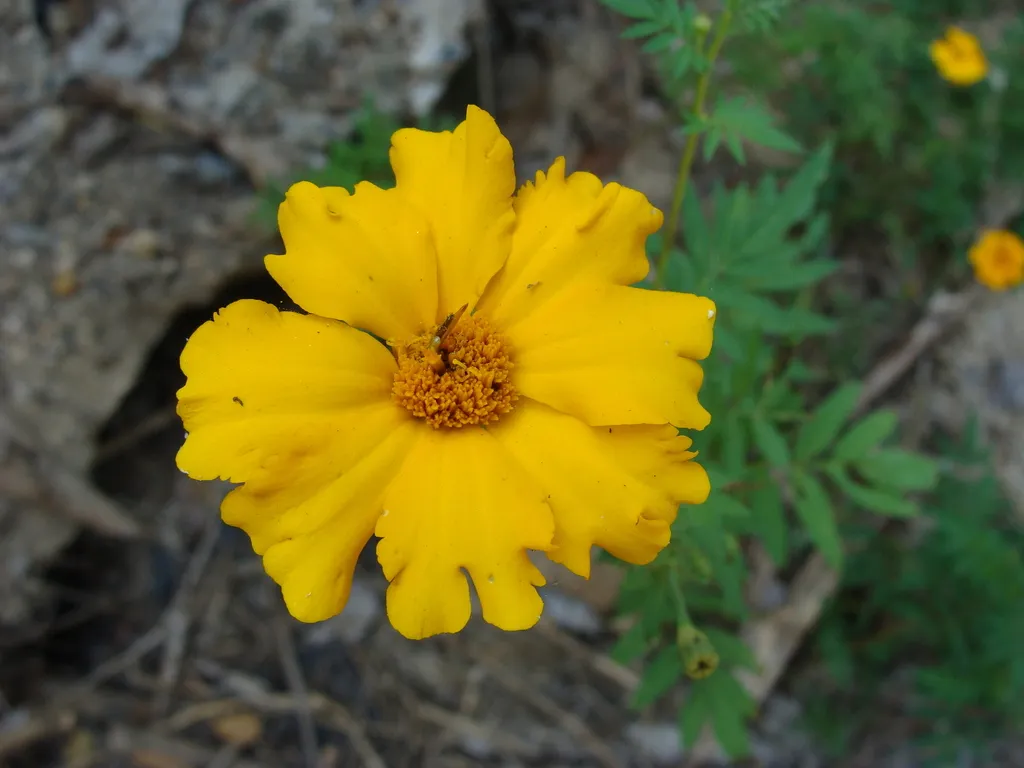
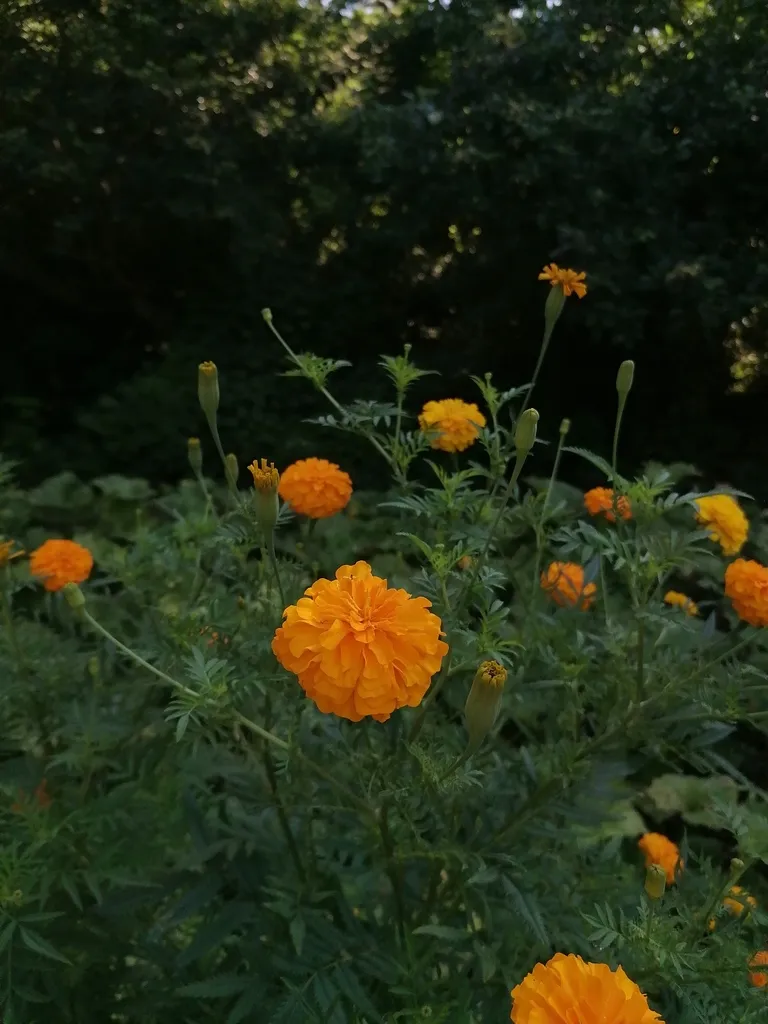
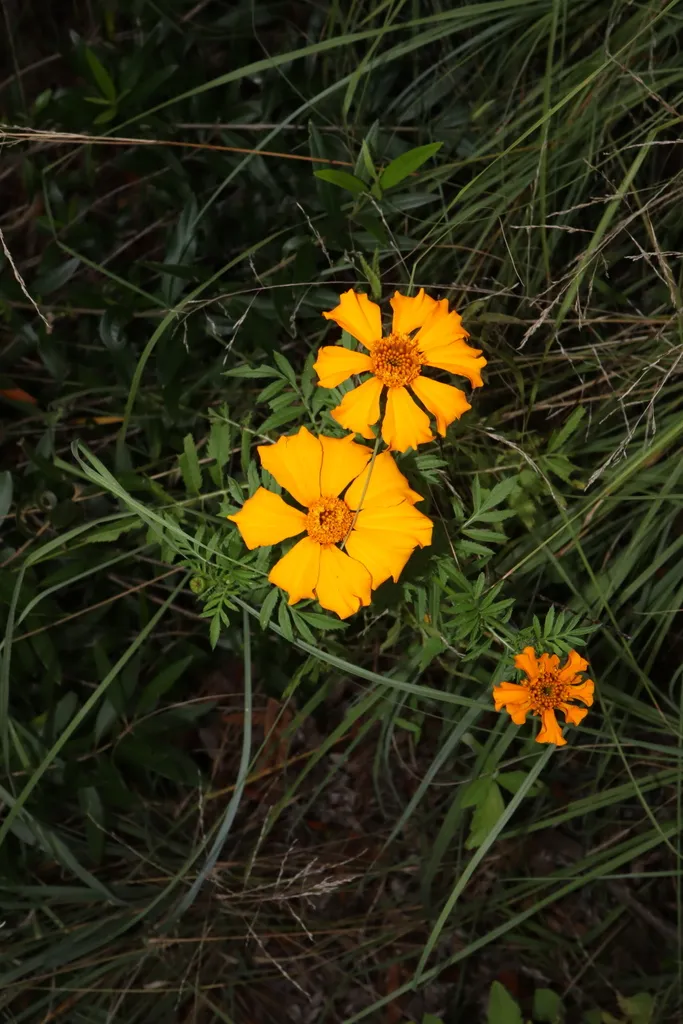
| Care difficulty | 1 / 5 |
|---|---|
| Watering schedule | Moderate regular watering, allowing brief slight drying between soakings |
| Sunlight requirements | Full sun |
| Ideal temperature | 20 – 30 °C |
| Soil type | Clay · Loam · Sand |
| Soil pH | Acid · Alkaline · Neutral |
| Soil moisture | Moist but well drained · Well drained |
| Fertilizing | Balanced perennial feed every four weeks from spring through summer |
| Toxicity | Foliage may aggravate skin allergies. Wear gloves and other protective equipment when handling |
How to Water African marigold?
Thriving in its native tropical climates, african marigold has adapted to regular rainfall and high humidity. This species exhibits a preference for consistent moisture, maintaining a balance that supports its lush growth without waterlogging. Accordingly, african marigold benefits from watering twice a week to mimic these conditions. As an ornamental flowering plant often grown outdoors, african marigold's vibrant blooms are best supported by ensuring the soil remains evenly moist during the active growing season, which is critical for sustaining its colorful display.
Learn more →What Are the Sunlight Requirements for African marigold?
African marigold thrives best in full sunlight, requiring at least 6 to 8 hours of direct sun daily to foster optimal growth, vibrant flowering, and robust health. While african marigold tolerates partial sun, where it receives slightly diffused or indirect light for part of the day, prolonged exposure to lower light conditions can lead to weaker stems and diminished blooms. Ideally suited for outdoor cultivation, african marigold should be planted in locations without overshadowing by taller plants or structures to ensure sufficient light exposure, essential for maintaining its vivid color and compact form.
Learn more →What Is the Ideal Temperature Range for African marigold?

African marigold is native to Mexico, and will germinate, grow, blossom, and die within one year, so it needs to be replanted every year. The suitable temperature for growth is 15 to 25 ℃. When the temperature is higher than 30 ℃, they will overgrow, making the stems and leaves scatter and the number of flowers reduce. Temperatures lower than 10 ℃ will slow their growth speed. Air humidity should be kept low to avoid leaving african marigold susceptible to disease.
Learn more →What Soil Is Best for African marigold?
African marigold does not have high soil requirements as long as the acidity of the soil is not too strong and the pH value is not lower than 6. Appropriate watering when the soil is dry will allow the plants to thrive. Additionally, these plants don't require a culture medium rich in organic matters. On the contrary, african marigold grows better in less fertile soils.
- Soil type
- Clay · Loam · Sand
- Soil pH
- Acid · Alkaline · Neutral
What Are the Moisture Requirements for African marigold?
Moist but well drained · Well drained
Learn more →How to Fertilize African marigold?

To enhance flowering in african marigold, apply high phosphorus fertilizer every 4-6 weeks during the growing season. This bolsters bloom production and plant vigor. Use sparingly to avoid over-fertilization, which can damage african marigold. Tailor quantities to plant size and soil fertility; consult packaging for specifics. In the dormant season, reduce frequency to support natural cycles. For best results, water african marigold after application to help nutrient absorption. Keep fertilizer away from the leaves to prevent burn.
Learn more →How to Prune African marigold?

African marigold features vibrant blooms and thrives with timely pruning. Early to later spring is ideal for cutting back dead stems and spent flowers, encouraging bushier growth and prolonging flowering. Pinching back young plants helps promote compact growth. Removing faded blooms prevents seed formation and redirects energy to new growth. Regular pruning reduces disease risk and enhances airflow. Always use sterilized tools to prevent infections. Pruning not only maintains shape but also boosts the overall vigor of african marigold.
Learn more →How to Propagate African marigold?

African marigold is commonly cultivated for its brightly colored flowers. Successful propagation typically involves cuttings, which should be taken from healthy parent plants. The cut ends can benefit from a rooting hormone before being placed in a well-draining growing medium. These should be kept moist and in a warm environment to encourage root development. Careful monitoring for pests and diseases is crucial during the initial growth phase.
Learn more →How to Transplant African marigold?
Transplant african marigold during the perfect window of balmier days, from mid-spring to late spring. Choose a location with full sun and well-draining soil. Don't forget to give these beauties space, as overcrowding can lead to disease.
Learn more →How to Plant African marigold?
Indoors-potted: Keep african marigold in a spot where they can bask in the daylight, ensuring they maintain their vibrant blooms even when inside. Outdoors-potted: African marigold, when outdoors in pots, need ample space for roots to spread, promoting lush growth and full, cheerful blossoms. Outdoors-in the ground: Planting african marigold in the garden soil enriches its surroundings as it's known to deter certain pests with its distinct scent.
Learn more →How to Repot African marigold?
When seedlings grow 2-3 leaves, they can be transplanted into pots.
Learn more →How to Harvest African marigold?

African marigold can be used as cut flowers and starts blooming in early summer. They have a long blooming period and reach full bloom in midsummer. The bloom period can last through autumn with proper care. In the case of premature harvest, the picked flowers do not easily bloom. As a result, it's best to harvest them 1-2 days before blooming, when there are 4-6 petals on a flower bud gradually opening up. Pick flowers at times with low temperature and high humidity.Generally, morning is the best time to harvest, as plants harvested then more easily retain water and can have a long vase life. After harvest, african marigold should be inserted in water with a preservative solution of low pH value. This will prolong the bloom time. Take time to remove the excess leaves on the stem, and avoid inserting leaves in the water since they can easily rot.
Learn more →Common Pests & Diseases

Diseases
Generally trouble free but may be affected by powdery mildews
Pests
Generally trouble free
Explore the plant health library →Troubleshooting
Leggy Stems, Sparse Flowering, or Root Rot
African marigold (Tagetes erecta) performs best in well-drained soil with appropriate sunlight and regular deadheading; soggy soil rots roots, while low light or skipped pinching causes leggy growth.
| What you notice | Possible explanation | What to check next |
|---|---|---|
| Stems stretch tall and floppy with sparse blooms | Insufficient direct sunlight, lack of early-season pinching/deadheading, or excess high-nitrogen fertilizer | Assess daily sun hours and check whether spent flowers are left to set seed |
| Lower leaves turn yellow and plant wilts while soil stays wet and heavy | Root or stem rot from overwatering or poor drainage (Generally trouble free but may be affected by powdery mildews) | Check soil drainage and ensure containers have open drainage holes |
- Grow in fertile, well-drained soil in full sun, spacing plants for good airflow.
- Water consistently without waterlogging: Moderate regular watering, allowing brief slight drying between soakings.
- Maintain compact flowering growth: Deadhead regularly to prolong flowering.
Stop watering waterlogged containers immediately and improve drainage before fungal root or stem rot spreads.
Powdery Mildew, Grey Mould, or Aphids and Slugs
Crowded foliage, dry root stress, or damp stagnant air can trigger mildew or grey mould on African marigold (Tagetes erecta), while tender shoots attract pests.
| What you notice | Possible explanation | What to check next |
|---|---|---|
| White powdery coating on leaves, or fuzzy grey mold on damp spent flowers | Fungal disease (Generally trouble free but may be affected by powdery mildews) favored by drought stress at the roots or wet, crowded foliage | Inspect lower leaves and spent blooms and check plant spacing |
| Distorted shoot tips with aphids/whiteflies, or ragged holes chewed in young leaves | Common pests (Generally trouble free) | Check shoot tips, leaf undersides, and damp ground around the crown |
- Water at the base of the plant early in the day rather than overhead, and thin or divide congested clumps in spring or autumn.
- Remove mildewed leaves and faded flowers promptly, and clear plant debris at season's end.
- Manage aphids or whiteflies with a firm water spray or insecticidal soap per label directions, and protect young shoots from slugs.
Protect frost-tender bedding or subtropical perennials indoors or under glass before autumn frosts.
The Toxicity of African marigold
Foliage may aggravate skin allergies. Wear gloves and other protective equipment when handling