



Planting and Growing penstemon 'Pensham Plum Dandy'

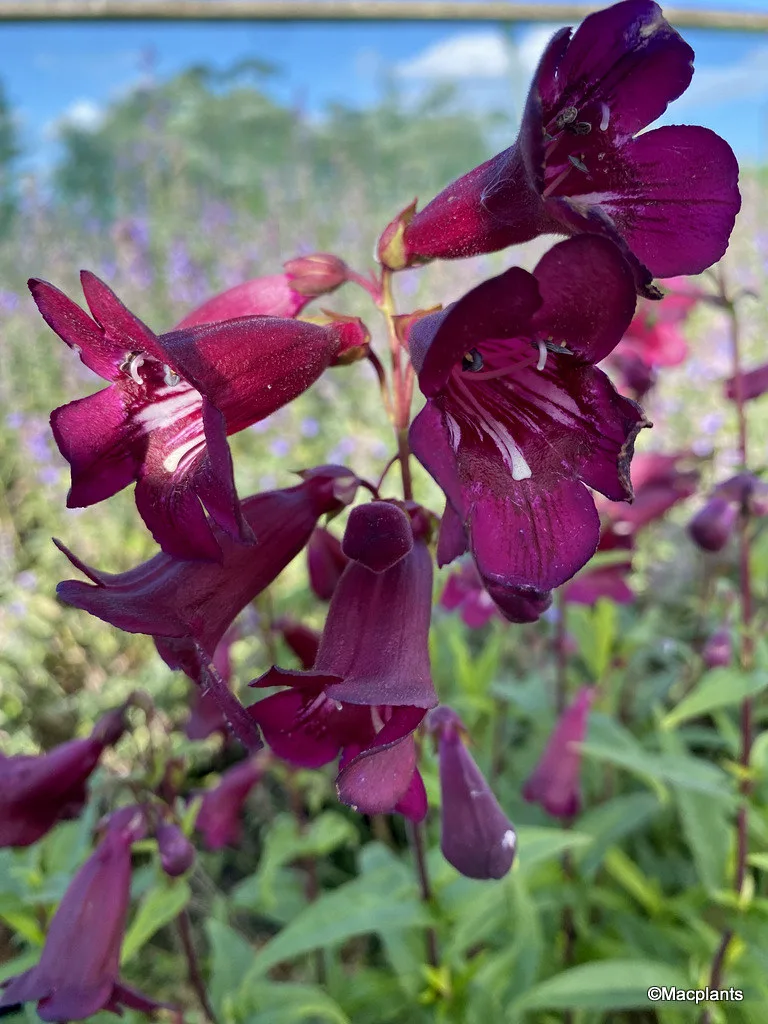
| Care difficulty | 3 / 5 |
|---|---|
| Watering schedule | Consistent moderate moisture, do not let root ball fully dry |
| Sunlight requirements | Full sun · Partial shade |
| Ideal temperature | Information to be completed |
| Soil type | Chalk · Loam · Sand |
| Soil pH | Acid · Alkaline · Neutral |
| Soil moisture | Well drained |
| Fertilizing | Bloom boosting liquid feed every three weeks spring to fall |
| Toxicity | Information to be completed |
How to Water penstemon 'Pensham Plum Dandy'?
Consistent moderate moisture, do not let root ball fully dry
Learn more →What Are the Sunlight Requirements for penstemon 'Pensham Plum Dandy'?
Full sun · Partial shade
Learn more →What Soil Is Best for penstemon 'Pensham Plum Dandy'?
- Soil type
- Chalk · Loam · Sand
- Soil pH
- Acid · Alkaline · Neutral
What Are the Moisture Requirements for penstemon 'Pensham Plum Dandy'?
Well drained
Learn more →How to Fertilize penstemon 'Pensham Plum Dandy'?

Bloom boosting liquid feed every three weeks spring to fall
Learn more →How to Prune penstemon 'Pensham Plum Dandy'?

Deadhead after flowering to maintain vigour. In autumn, cut plants down to about a third of their height to prevent windrock but leave some protection from frosts; in late spring or early summer after new growth appears and after frosts are over, cut out old stems
Learn more →How to Propagate penstemon 'Pensham Plum Dandy'?

Propagate by softwood or semi-ripe cuttings in early summer
Learn more →How to Plant penstemon 'Pensham Plum Dandy'?
Grow in fertile, well-drained soil preferably in full sun. In cold areas, protect plants overwinter with a dry winter mulch
Learn more →Common Pests & Diseases

Diseases
May be subject to a downy mildew
Pests
Generally trouble-free, though may be attacked by slugs, snails and chrysanthemum eelworms
Explore the plant health library →