



Planting and Growing Pennisetum alopecuroides 'Little Honey'

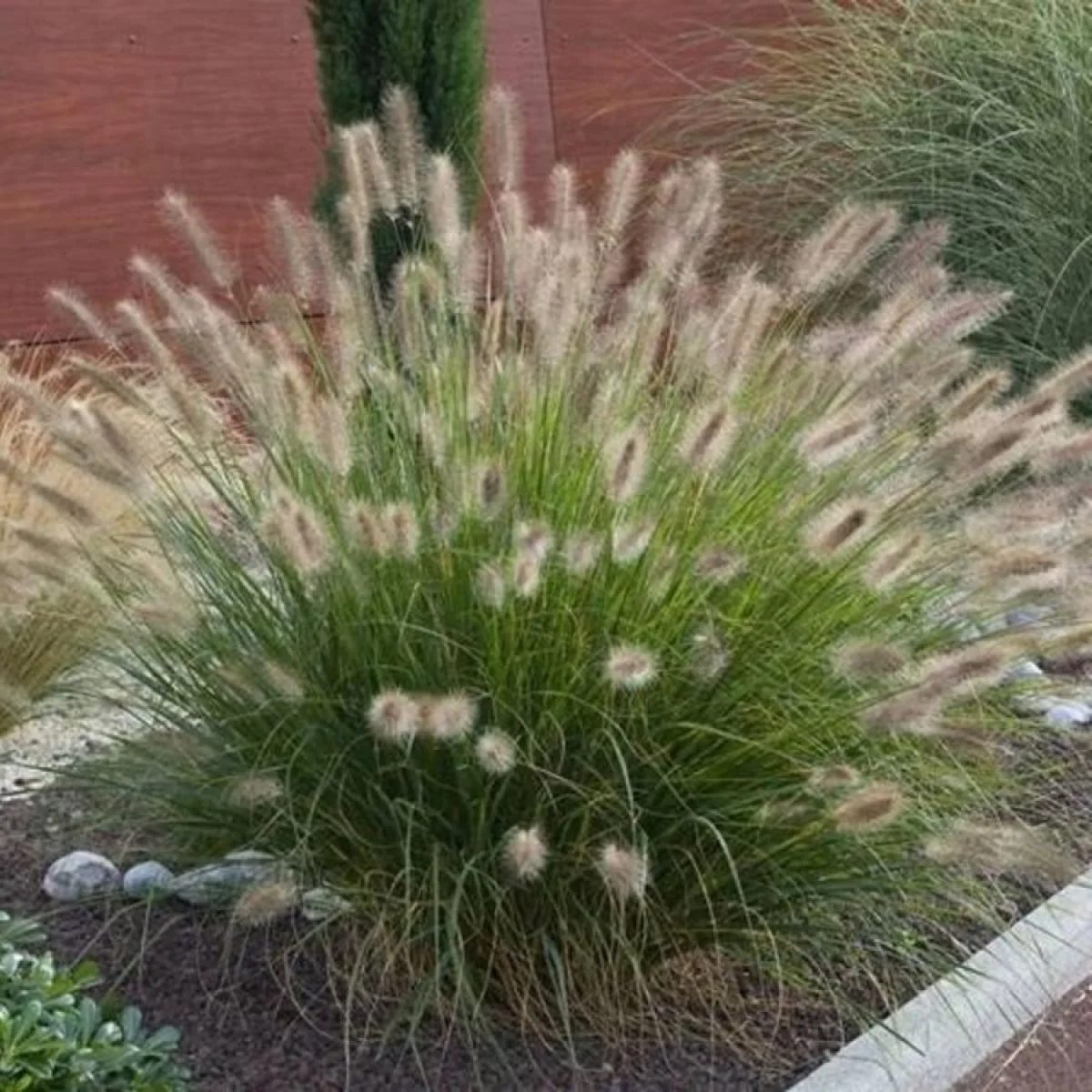
| Care difficulty | 2 / 5 |
|---|---|
| Watering schedule | Medium regular irrigation, minor dryness acceptable between waters |
| Sunlight requirements | Full sun |
| Ideal temperature | Information to be completed |
| Soil type | Chalk · Loam · Sand |
| Soil pH | Acid · Alkaline · Neutral |
| Soil moisture | Well drained |
| Fertilizing | Ornamental grass balanced feed monthly warm growing season |
| Toxicity | Information to be completed |
How to Water Pennisetum alopecuroides 'Little Honey'?
Medium regular irrigation, minor dryness acceptable between waters
Learn more →What Are the Sunlight Requirements for Pennisetum alopecuroides 'Little Honey'?
Full sun
Learn more →What Soil Is Best for Pennisetum alopecuroides 'Little Honey'?
- Soil type
- Chalk · Loam · Sand
- Soil pH
- Acid · Alkaline · Neutral
What Are the Moisture Requirements for Pennisetum alopecuroides 'Little Honey'?
Well drained
Learn more →How to Fertilize Pennisetum alopecuroides 'Little Honey'?

Ornamental grass balanced feed monthly warm growing season
Learn more →How to Prune Pennisetum alopecuroides 'Little Honey'?

Cut back dead foliage and old flowered stems in early spring
Learn more →How to Propagate Pennisetum alopecuroides 'Little Honey'?

Propagate by division in late spring or early summer
Learn more →How to Plant Pennisetum alopecuroides 'Little Honey'?
Grow in light, moderately fertile, well-drained soil in full sun with shelter. Ideal for container cultivation and overwintered in a cold greenhouse or provide winter protection in colder areas. See Ornamental grasses cultivation
Learn more →Common Pests & Diseases

Diseases
Generally disease-free
Pests
Generally pest-free
Explore the plant health library →