



Planting and Growing finocchio

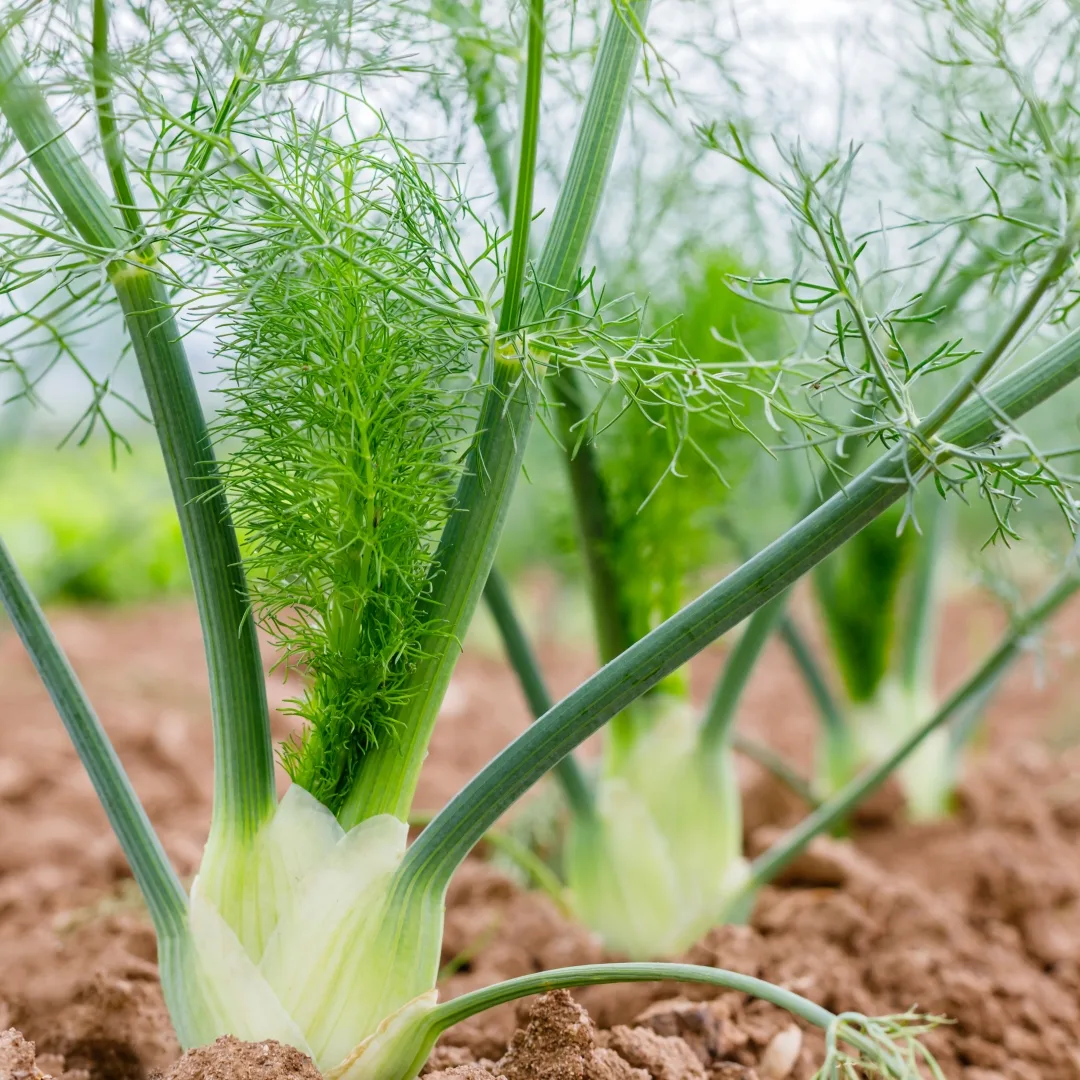
| Care difficulty | 2 / 5 |
|---|---|
| Watering schedule | Consistently moist soil via regular watering, avoid extreme dryness |
| Sunlight requirements | Full sun |
| Ideal temperature | Information to be completed |
| Soil type | Chalk · Clay · Loam · Sand |
| Soil pH | Acid · Alkaline · Neutral |
| Soil moisture | Moist but well drained |
| Fertilizing | Herb vegetable balanced feed biweekly throughout leaf growth phase |
| Toxicity | Information to be completed |
How to Water finocchio?
Consistently moist soil via regular watering, avoid extreme dryness
Learn more →What Are the Sunlight Requirements for finocchio?
Full sun
Learn more →What Soil Is Best for finocchio?
- Soil type
- Chalk · Clay · Loam · Sand
- Soil pH
- Acid · Alkaline · Neutral
What Are the Moisture Requirements for finocchio?
Moist but well drained
Learn more →How to Fertilize finocchio?

Herb vegetable balanced feed biweekly throughout leaf growth phase
Learn more →How to Prune finocchio?

Cut back dead stems in autumn or winter. Remove faded flowers to prevent self-seeding.\r\nFor use as a vegetable, harvest plants when mature
Learn more →How to Propagate finocchio?

Propagate by seed. See sowing vegetable seeds
Learn more →How to Plant finocchio?
Grow in fertile, moisture-retentive soil in full sun. May have the potential to become a nuisance if not managed well. For more advice see florence-fennel cultivation
Learn more →Common Pests & Diseases

Diseases
Generally disease-free
Pests
May be susceptible to slugs and snails in seedling stage
Explore the plant health library →