



Planting and Growing soya bean

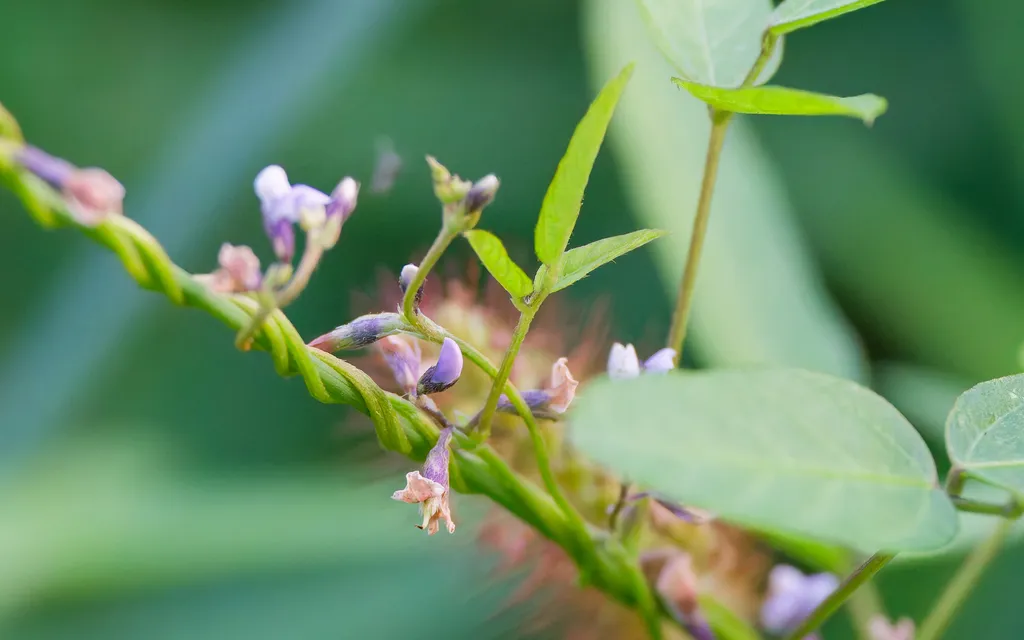
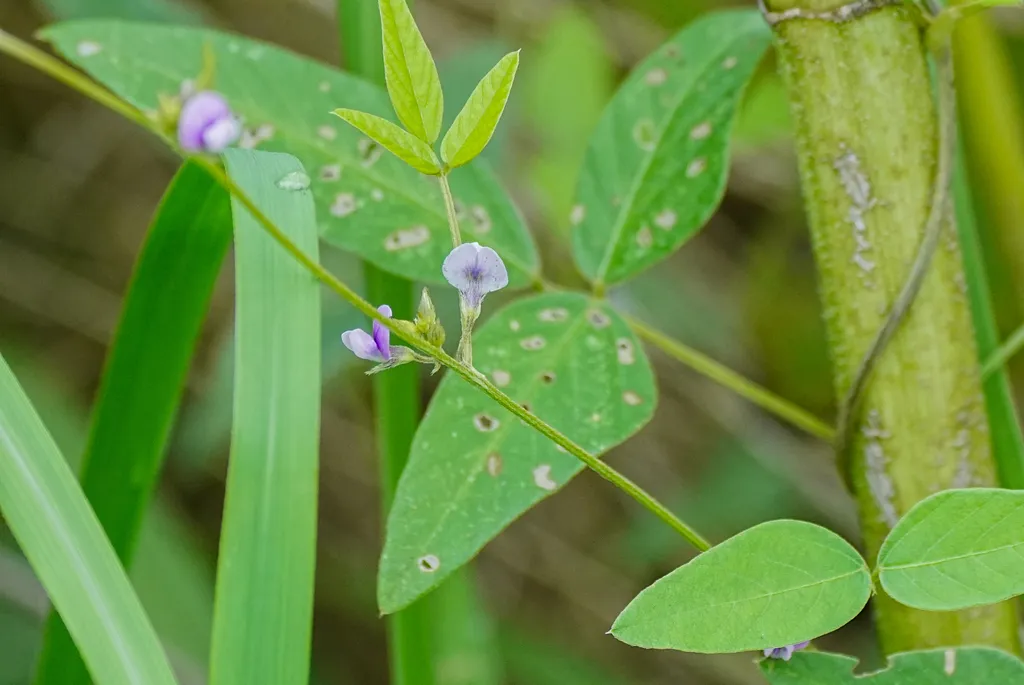
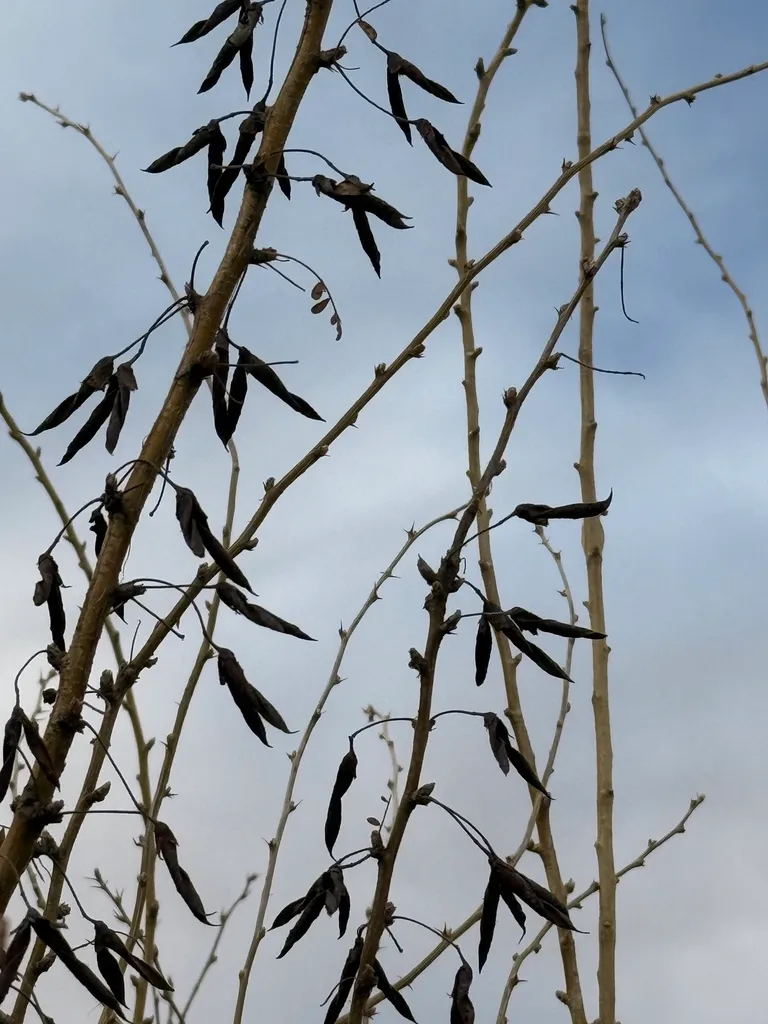
| Care difficulty | 2 / 5 |
|---|---|
| Watering schedule | Keep soil moist but well-drained; water regularly during dry spells. |
| Sunlight requirements | Full sun |
| Ideal temperature | 20 – 30 °C |
| Soil type | Chalk · Clay · Loam · Sand |
| Soil pH | Acid · Alkaline · Neutral |
| Soil moisture | Moist but well drained |
| Fertilizing | Every 2-3 weeks during the growing season with a low-nitrogen fertilizer. |
| Toxicity | Information to be completed |
How to Water soya bean?
Originating from regions with adequate rainfall, soybean thrives in moderately moist soil conditions and exhibits a preference for consistent hydration. It is drought-resistant to an extent but flourishes when watered twice a week. This ensures the plant maintains its delicate water balance, essential for optimal growth. Commonly cultivated outdoors, soybean benefits significantly from rainwater during its growing season, which complements its watering schedule and supports robust development.
Learn more →What Are the Sunlight Requirements for soya bean?
Soybean thrives in full sun conditions, necessitating at least 6 to 8 hours of direct sunlight each day for optimal growth. This light intensity promotes healthy development and high yields. While soybean can tolerate partial sun, where sunlight is less intense, this may lead to reduced growth and lower productivity. Soybean has evolved to adjust its leaves to maximize light absorption efficiently. optimal planting positions for soybean are in open fields with clear exposure to sunlight, as soybean is typically not suited for indoor growth. Consistency in ideal light conditions is key for soybean's health and output.
Learn more →What Is the Ideal Temperature Range for soya bean?

Soybean demonstrates considerable resilience to temperature variations, tolerating cold temperatures as low as -5℃ (23℉) and heat up to 43℃ (110℉). However, exposure to temperatures beyond these ranges can significantly impact its health. Cold stress may result in stunted growth, leaf discoloration, or even plant death, while excessive heat can lead to wilting, scorched leaves, and reduced yield. To protect soybean during cold snaps, use frost covers or bring potted plants indoors. In extreme heat, mulching and frequent watering can mitigate damage. Understanding and managing these tolerance levels is crucial for cultivating soybean in diverse climates.
Learn more →What Soil Is Best for soya bean?
Soybean thrives in well-draining soil. Use garden soil mixed with compost and sand for better aeration. Ensure good drainage to prevent water-logging. If draining is a challenge, include perlite or coarse sand. Fertilize with a balanced, slow-release formula during planting and once a month during the growing season to boost growth.
- Soil type
- Chalk · Clay · Loam · Sand
- Soil pH
- Acid · Alkaline · Neutral
What Are the Moisture Requirements for soya bean?
Moist but well drained
Learn more →How to Fertilize soya bean?

To nurture soybean, use high-phosphorus fertilizers, which bolster root development and pod production. Begin applications early in the growing season, adhering to product-specific dosage, typically every 2-3 weeks. Seasonal growth stages dictate variations in application rates; increase frequency post-emergence, decrease as soybean matures. Always water soybean post-fertilization to aid nutrient absorption and prevent root burn. Maintaining precise application and adhering to recommended quantities ensures soybean's optimal growth and yield.
Learn more →How to Prune soya bean?

No pruning required
Learn more →How to Propagate soya bean?

Soybean is best propagated through sowing in Spring. Although propagation is relatively easy, it's essential to monitor for healthy root establishment as an indicator of success. Ensure proper soil moisture and temperature for optimal results.
Learn more →How to Transplant soya bean?
Soybean thrives when transplanted during the balmy period of mid-spring to late spring, as this season offers optimal temperatures for growth. Choose a sunny location with well-draining soil for transplanting, and enhance root establishment by incorporating organic matter into the soil, when needed.
Learn more →How to Plant soya bean?
Indoors-potted: When nurturing soybean indoors, ensure ample space for growth as it thrives expansively; rotate the pot periodically to encourage even development. Outdoors-potted: Soybean favors outdoor settings but requires a spacious pot and consistent monitoring to prevent overgrowth beyond its container. Outdoors-in the ground: Planted in soil outdoors, soybean enriches the earth with nitrogen-fixing abilities, making them excellent for crop rotation and soil health.
Learn more →Common Pests & Diseases

Diseases
May be susceptible to bacterial blights, brown spot, anthracnose, downy mildews, powdery mildews and soybean rust, root and stem rots, stem blights and virus diseases
Pests
May be susceptible to caterpillars
Explore the plant health library →Troubleshooting
Poor Flowering/Fruiting, Premature Decline, or Bulb/Root Rot
soya bean (Glycine max) requires steady soil moisture, well-drained fertile soil, and full sunlight; waterlogged soil quickly rots bulbs and roots, while drought swings or shade reduce yield or blooms.
| What you notice | Possible explanation | What to check next |
|---|---|---|
| Lower leaves yellow and plants wilt or collapse at the base in wet soil | Waterlogged soil or bulb/root rot (May be susceptible to bacterial blights, brown spot, anthracnose, downy mildews, powdery mildews and soybean rust, root and stem rots, stem blights and virus diseases) | Inspect soil drainage and ensure containers have open drainage holes |
| Weak stems, poor pod/fruit set (e.g., blossom end rot or unpollinated fruits on Cucurbita pepo), or sparse flowers | Insufficient direct sun, irregular watering swings, or lack of insect pollination | Assess daily sun hours, watering consistency, and pollinator activity |
- Grow in fertile, well-drained soil in full sun, spacing plants properly for good air circulation.
- Maintain even moisture without waterlogging: Keep soil moist but well-drained; water regularly during dry spells..
- Lift and store frost-tender corms/tubers/bulbs (such as Gladiolus and Freesia) in cool dry frost-free conditions after foliage dies down, and rotate annual crops.
For Cyclamen persicum, allow tubers to rest nearly dry in cool shade during summer dormancy after leaves yellow naturally.
Powdery Mildew, Aphids, Slugs, or Thrips
Humid crowded foliage or dry root stress encourages powdery mildew or grey mould on soya bean (Glycine max), while tender shoots and flowers attract May be susceptible to caterpillars.
| What you notice | Possible explanation | What to check next |
|---|---|---|
| White powdery coating on leaves or grey mold on damp flowers/stems | Fungal disease (May be susceptible to bacterial blights, brown spot, anthracnose, downy mildews, powdery mildews and soybean rust, root and stem rots, stem blights and virus diseases) | Check plant spacing and whether overhead watering wets foliage late in the day |
| Silvery streaks on petals/leaves, sticky clusters of aphids, or ragged holes chewed in young leaves | Common pests (May be susceptible to caterpillars) | Inspect leaf undersides, flower buds, and damp ground around the crown |
- Water at the soil base in the morning rather than overhead so foliage dries quickly.
- Remove mildewed leaves and faded flowers promptly, and clear plant debris at season's end.
- Manage aphids or thrips with a firm water spray or insecticidal soap per label directions, and protect young shoots from slugs.
Discard any bitter-tasting Cucurbita pepo fruits immediately, as bitterness indicates toxic cucurbitacins.