



Planting and Growing ice plant

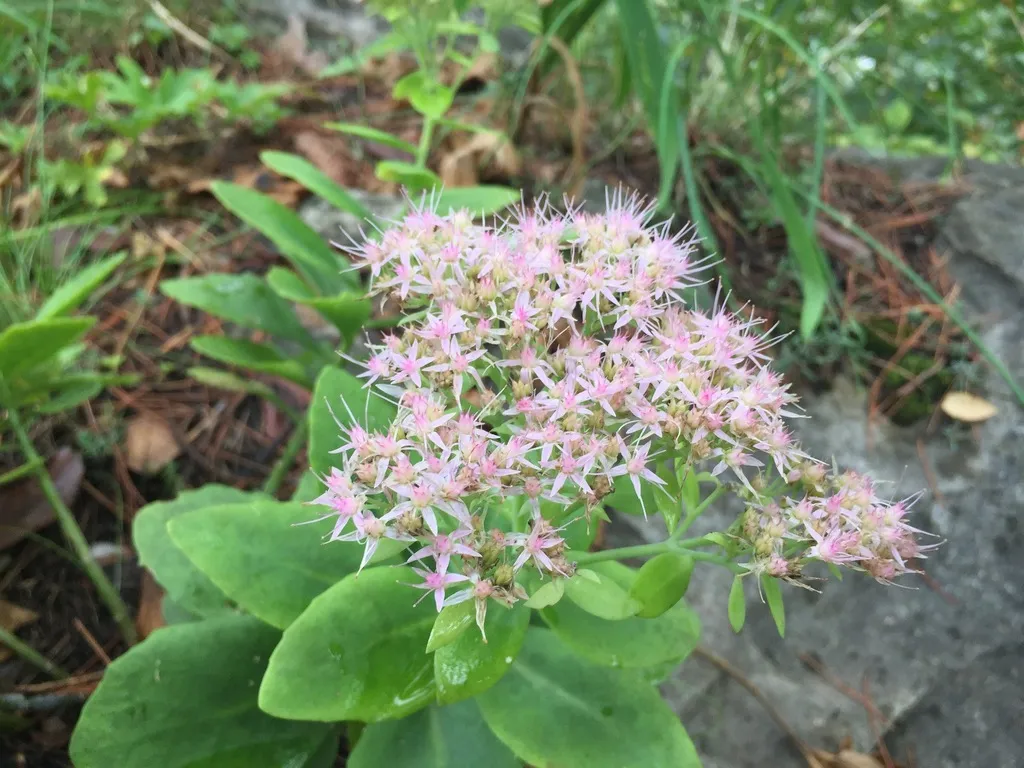
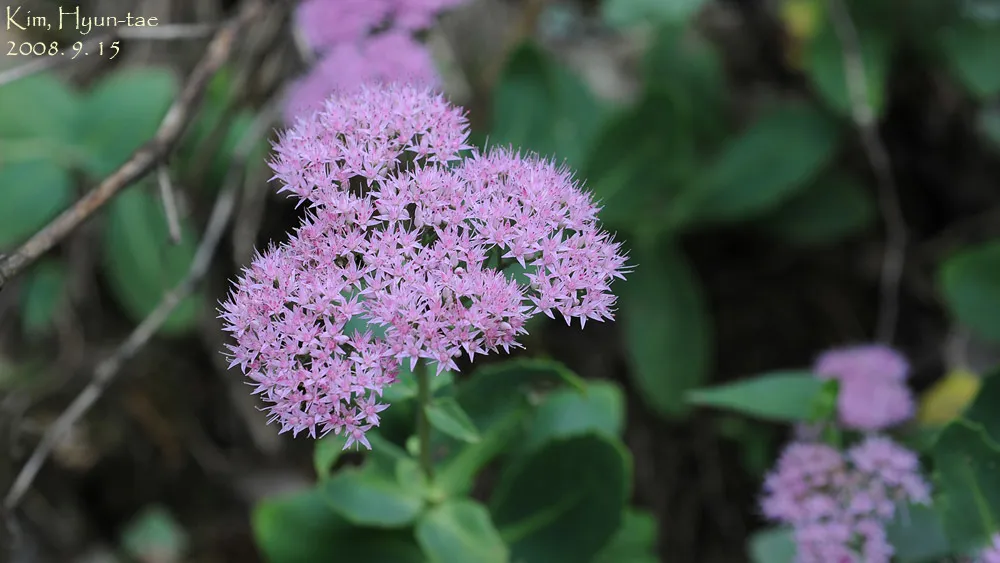

| Care difficulty | 1 / 5 |
|---|---|
| Watering schedule | Let gritty soil dry fully before each thorough watering cycle |
| Sunlight requirements | Full sun |
| Ideal temperature | 15 – 25 °C |
| Soil type | Chalk · Loam · Sand |
| Soil pH | Alkaline · Neutral |
| Soil moisture | Well drained |
| Fertilizing | Very dilute low-nitrogen succulent feed monthly in warm growth |
| Toxicity | Information to be completed |
How to Water ice plant?
Showy stonecrop thrives in well-drained soil, emulating its origins where it tolerates periodic droughts. This succulent prefers a balance of moisture without waterlogging, showcasing its drought resistance. It requires watering once every three weeks, aligning with its low-maintenance hydration needs. Typically grown outdoors due to its hardy nature, showy stonecrop flourishes when the rainfall is sparse, making it an ideal candidate for rock gardens or arid landscape designs.
Learn more →What Are the Sunlight Requirements for ice plant?
Showy stonecrop thrives best under full sun exposure, where it can enjoy unfiltered light for at least six hours a day. This optimal lighting situation is critical for the plant to achieve vigorous growth, healthy foliage, and to maximize its flowering potential. While showy stonecrop demonstrates a tolerance for partial sun conditions, its growth might be less robust, and blooming could be less prolific compared to plants in full sunlight. In less than ideal light, showy stonecrop may showcase adaptive traits such as extended stems reaching for light. Outdoors, showy stonecrop should be located in areas that receive direct sunlight, while indoors, a south-facing window is most desirable to meet its light requirements.
Learn more →What Is the Ideal Temperature Range for ice plant?

Showy stonecrop demonstrates significant resilience to temperature variations, tolerating cold down to -30℃ (-22℉) and heat up to 38℃ (100℉). This broad temperature tolerance makes it suitable for diverse environments. However, it’s crucial to protect showy stonecrop during extreme weather. Symptoms of overcooling include wilting and leaf drop, while overheating may cause scorched leaves and stunted growth. To counteract overcooling, apply mulch and provide frost protection. In cases of overheating, ensure adequate watering and provide shade. Overall, showy stonecrop's adaptability simplifies care but necessitates vigilant protection against temperature extremes.
Learn more →What Soil Is Best for ice plant?
Showy stonecrop thrives in well-drained soil. A suitable mix can be purchased or prepared by combining succulent & cactus soil with perlite or coarse sand to increase aeration. Ensuring proper drainage is crucial to prevent water-logging. Incorporate a slow-release fertilizer annually, ideally at the beginning of the growing season, to enhance growth.
- Soil type
- Chalk · Loam · Sand
- Soil pH
- Alkaline · Neutral
What Are the Moisture Requirements for ice plant?
Well drained
Learn more →How to Fertilize ice plant?

Fertilize showy stonecrop sparingly, using a balanced succulent blend (e.g., 10-10-10) diluted to half strength. In spring, apply monthly to support vigorous growth and blooming; reduce to bi-monthly in fall. Avoid winter fertilization when growth is dormant. Apply during watering to prevent root burn. Use liquid formulations for better absorption, keeping in mind showy stonecrop's sensitivity to over-fertilization. Monitor for vibrant foliage and robust stem development as indicators of successful feeding.
Learn more →How to Prune ice plant?

In order to keep beautiful shape, some large succulent plants may need pruning. For example, in California, for echeveria planted in the garden, some redundant branches and branches that are too dense need to be cut off in spring and autumn. This depends on what you think and what the succulent plant is used for. Tools for pruning mainly include knife, scissors, and some medicines (such as sulfur powder). In order to propagate new plants, we can also cut some leaves in spring and autumn for cutting. Stout stems with 5-6 leaves are often selected: cut it off with a knife, then smear the wound with sulfur powder, and plant it after the wound is healed. At this time, it is recommended to use a watering can to slightly wet the soil used for cutting.
Learn more →How to Propagate ice plant?

Showy stonecrop, a succulent perennial valued for its hardiness and ornamental appeal, propagates successfully through cuttings. Gardeners should select healthy, non-flowered stems for this purpose. Cutting should be conducted with a clean, sharp tool to minimize damage and disease. Subsequently, the cuttings must be left to callous for several days before planting in well-draining soil, which ensures robust root development. Regular misting aids in maintaining the necessary moisture level without oversaturating the soil, promoting successful propagation.
Learn more →How to Transplant ice plant?
The best time to transplant showy stonecrop is during the late spring to early summer or late fall to early winter, when the plant experiences less stress. Choose a location with well-draining soil and sufficient sunlight. If necessary, gently tease out the roots for a successful transplant.
Learn more →How to Plant ice plant?
Indoors-potted: Inside, showy stonecrop often stretch for more light, so rotating the pot regularly helps maintain its compact shape and vibrant foliage. Outdoors-potted: Showy stonecrop, when potted outside, thrive with seasonal shifts; they welcome colder periods to rest before a lively growing season. Outdoors-in the ground: In the garden soil, showy stonecrop require little attention but reward with brilliant autumn blooms that attract pollinators.
Learn more →How to Repot ice plant?
A hardy perennial, showy stonecrop flourishes as a clump-forming succulent. For healthy growth, reposition showy stonecrop in a larger container every 2 years, preferably in early spring to coincide with its active growth cycle. Select a slightly bigger pot that ensures drainage. Post-repotting, provide ample sunlight and water sparingly to avoid root rot, allowing showy stonecrop to establish in its new home.
Learn more →Common Pests & Diseases

Diseases
May be subject to fungal and bacterial crown rot and roots rots
Pests
Generally pest-free
Explore the plant health library →Troubleshooting
Flopping Stems or Crown Rot in Wet Soil
ice plant (Hylotelephium spectabile) is an outdoor garden plant whose performance depends on proper site drainage, sun exposure, and seasonal maintenance.
| What you notice | Possible explanation | What to check next |
|---|---|---|
| Tall stems splay open from the center in mid-to-late summer | Excessive shade, overly rich fertile soil, or high-nitrogen fertilizer causing weak elongated stems | Evaluate sun exposure and soil fertility |
| Lower stems turn black and soft in wet soil | Fungal or bacterial crown/root rot from poor drainage | Check site drainage and inspect crown firmness |
- Grow in full sun and lean, sharply drained neutral-to-alkaline soil without rich nitrogen fertilizer; pinch stems lightly in late spring for a sturdier habit.
- Space plants adequately to maintain good air circulation and water at the soil base rather than wetting leaves late in the day.
- Clear dead winter foliage in late autumn or early spring to reduce overwintering fungal spores.
Do not overwater Hylotelephium spectabile—its fleshy leaves store water and rot quickly in soggy soil.
Seasonal Emergence or Clump Density Management
Understanding seasonal dormancy and periodic renewal keeps outdoor plantings vigorous year after year.
| What you notice | Possible explanation | What to check next |
|---|---|---|
| No shoots visible in early spring while neighboring shrubs leaf out | Normal spring emergence of Hylotelephium basal buds | Check soil surface gently for emerging tight green rosettes before digging |
| Center of older clumps thins out or loses vigor after several years | Overcrowded roots or rhizomes competing for space and moisture | Inspect clump density in early spring or early autumn |
- Mark perennial locations in autumn so dormant crowns are not accidentally disturbed in early spring.
- Divide congested clumps in spring (or early autumn) and replant vigorous sections in well-drained soil.
- Water newly planted or divided sections consistently until roots re-establish.
Dried flat flower heads provide attractive autumn-winter structure and pollinator value before cutting back in early spring.