



Planting and Growing native Australian bramble

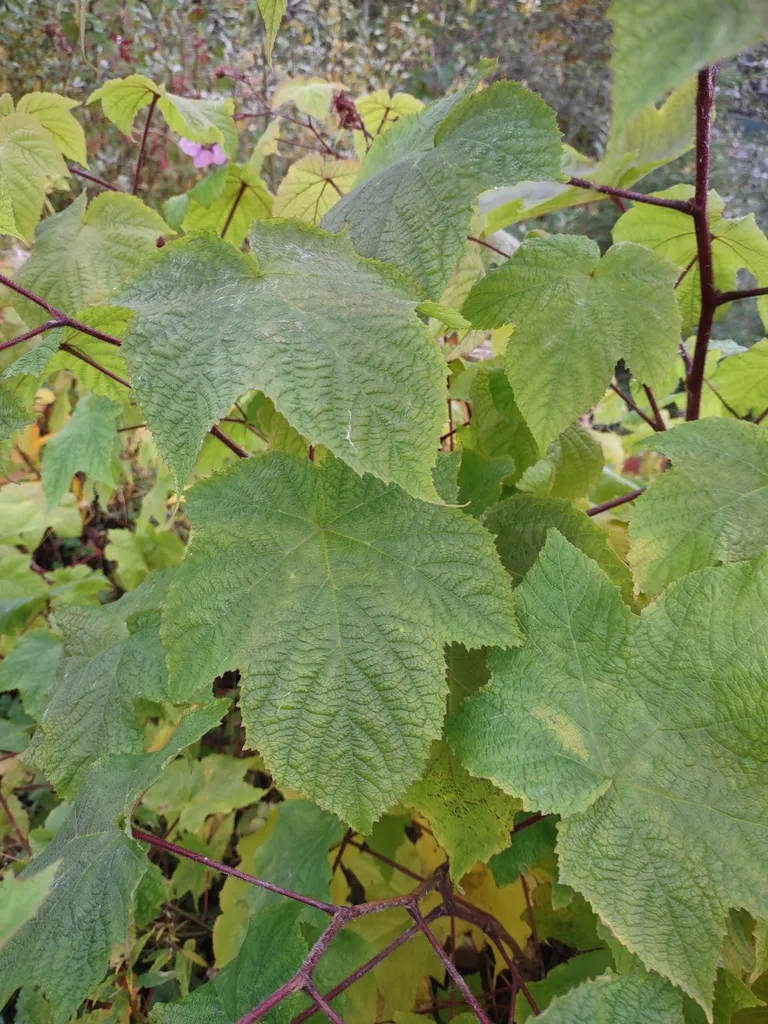
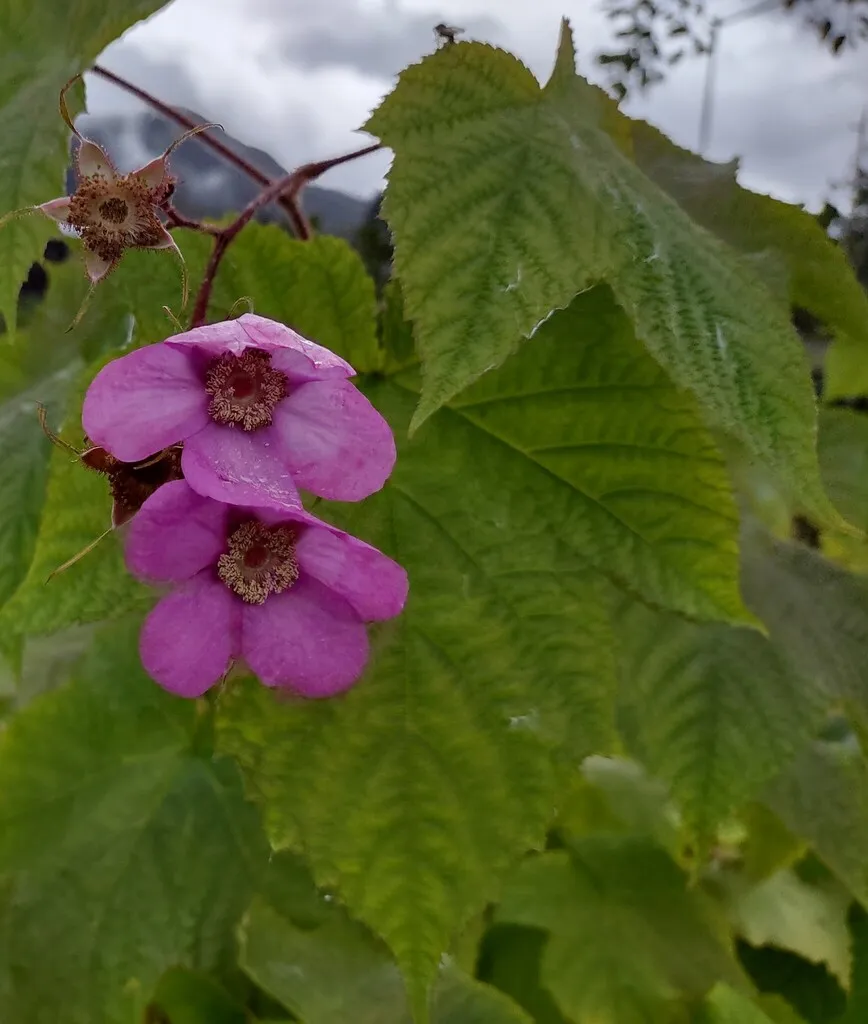
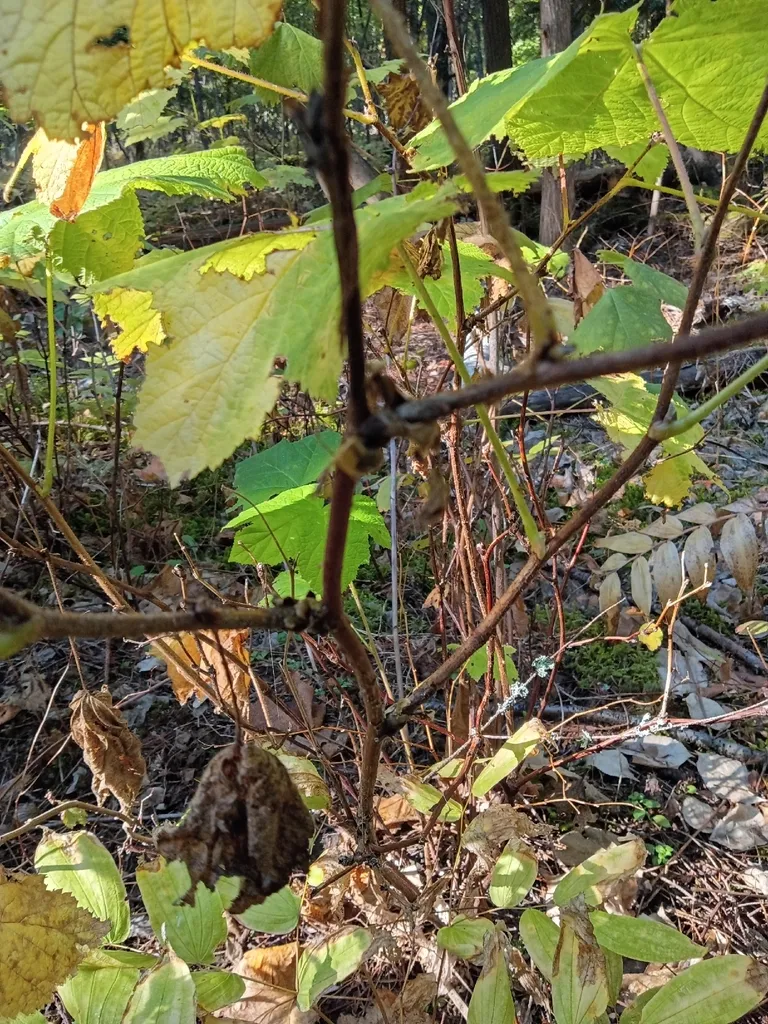
| Care difficulty | 2 / 5 |
|---|---|
| Watering schedule | Moderate regular watering, allowing brief slight drying between soakings |
| Sunlight requirements | Full sun · Partial shade |
| Ideal temperature | Information to be completed |
| Soil type | Loam · Sand · Clay |
| Soil pH | Acid · Neutral |
| Soil moisture | Moist but well drained |
| Fertilizing | Balanced perennial feed every four weeks from spring through summer |
| Toxicity | Information to be completed |
How to Water native Australian bramble?
Moderate regular watering, allowing brief slight drying between soakings
Learn more →What Are the Sunlight Requirements for native Australian bramble?
Full sun · Partial shade
Learn more →What Is the Ideal Temperature Range for native Australian bramble?

Information to be completed
Learn more →What Soil Is Best for native Australian bramble?
- Soil type
- Loam · Sand · Clay
- Soil pH
- Acid · Neutral
What Are the Moisture Requirements for native Australian bramble?
Moist but well drained
Learn more →How to Fertilize native Australian bramble?

Balanced perennial feed every four weeks from spring through summer
Learn more →How to Prune native Australian bramble?

Cut back fruited canes to ground level soon after harvesting. Thin canes to prevent overcrowding
Learn more →How to Propagate native Australian bramble?

Lift healthy suckers that appear between the rows and replant in a new spot. You can also divide large clumps when dormant
Learn more →How to Transplant native Australian bramble?
Information to be completed
Learn more →How to Care for native Australian bramble in Winter?

Information to be completed
Learn more →How to Plant native Australian bramble?
Grow in moisture-retentive, fertile soil, which is well-drained and weed free. For best results, plant in a sunny position. They will tolerate light shade, but may produce a smaller crop
Learn more →How to Repot native Australian bramble?
Information to be completed
Learn more →How to Harvest native Australian bramble?

Information to be completed
Learn more →Common Pests & Diseases

Diseases
May be susceptible to grey moulds, raspberry cane spot, a fungal leaf spot, raspberry cane blight or a virus
Pests
May be susceptible to aphids
Explore the plant health library →The Toxicity of native Australian bramble
Information to be completed