



Planting and Growing Penstemon 'Pensham Wedding Bells'

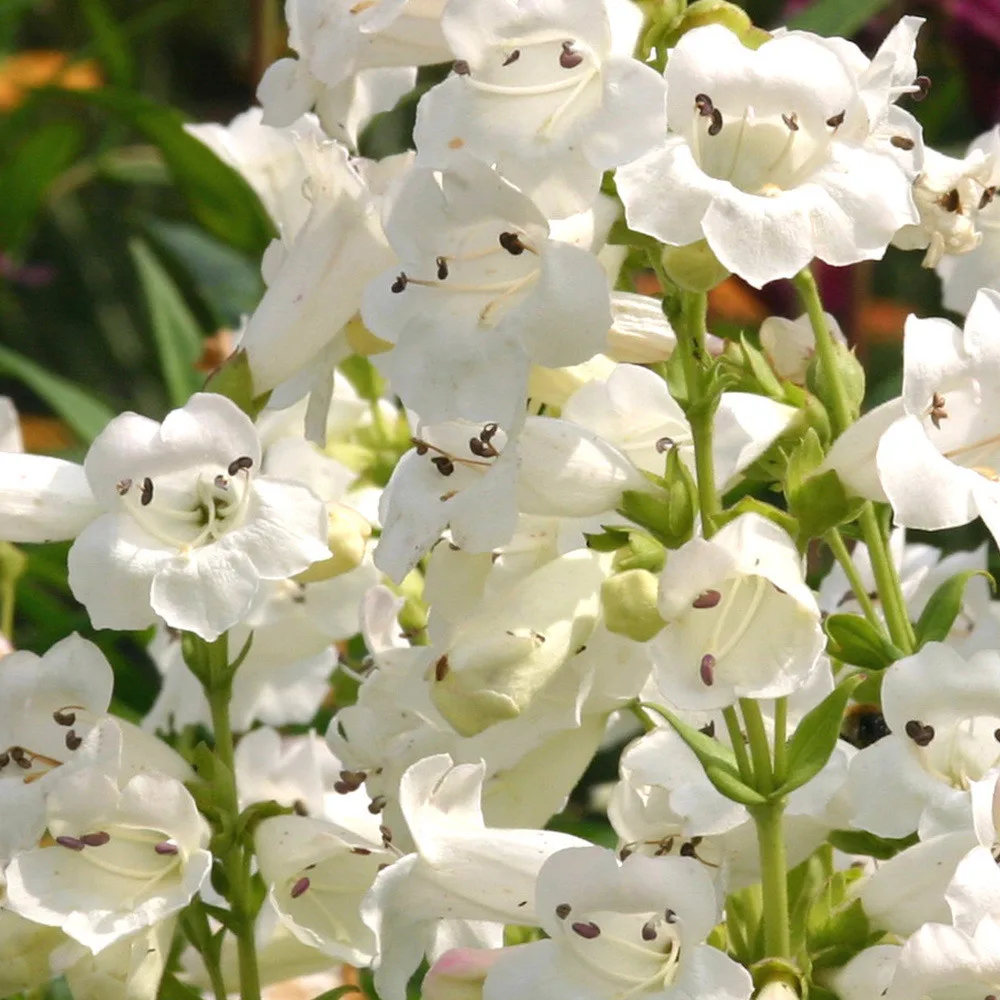
| Care difficulty | 2 / 5 |
|---|---|
| Watering schedule | Moderate regular watering, avoid prolonged drought and stagnant waterlogging |
| Sunlight requirements | Full sun · Partial shade |
| Ideal temperature | Information to be completed |
| Soil type | Chalk · Loam · Sand |
| Soil pH | Acid · Alkaline · Neutral |
| Soil moisture | Well drained |
| Fertilizing | Balanced perennial feed every four weeks spring through summer growth |
| Toxicity | Information to be completed |
How to Water Penstemon 'Pensham Wedding Bells'?
Moderate regular watering, avoid prolonged drought and stagnant waterlogging
Learn more →What Are the Sunlight Requirements for Penstemon 'Pensham Wedding Bells'?
Full sun · Partial shade
Learn more →What Soil Is Best for Penstemon 'Pensham Wedding Bells'?
- Soil type
- Chalk · Loam · Sand
- Soil pH
- Acid · Alkaline · Neutral
What Are the Moisture Requirements for Penstemon 'Pensham Wedding Bells'?
Well drained
Learn more →How to Fertilize Penstemon 'Pensham Wedding Bells'?

Balanced perennial feed every four weeks spring through summer growth
Learn more →How to Prune Penstemon 'Pensham Wedding Bells'?

Deadhead regularly or, after flowering, shorten flowered stems by half to encourage further flowering. Cut back to just above new shoots, or lowest healthy leaves, in spring after frost has passed
Learn more →How to Propagate Penstemon 'Pensham Wedding Bells'?

Propagate by softwood cuttings in early summer, semi-hardwood cuttings in midsummer, or by division in spring
Learn more →How to Plant Penstemon 'Pensham Wedding Bells'?
Grow in fertile, well-drained soil in full sun or partial shade. In cold areas, protect plants overwinter with a dry mulch. See penstemon cultivation
Learn more →Common Pests & Diseases

Diseases
May be subject to powdery mildews
Pests
May be attacked by slugs, snails and chrysanthemum eelworms
Explore the plant health library →