



Planting and Growing Salix × tetrapla

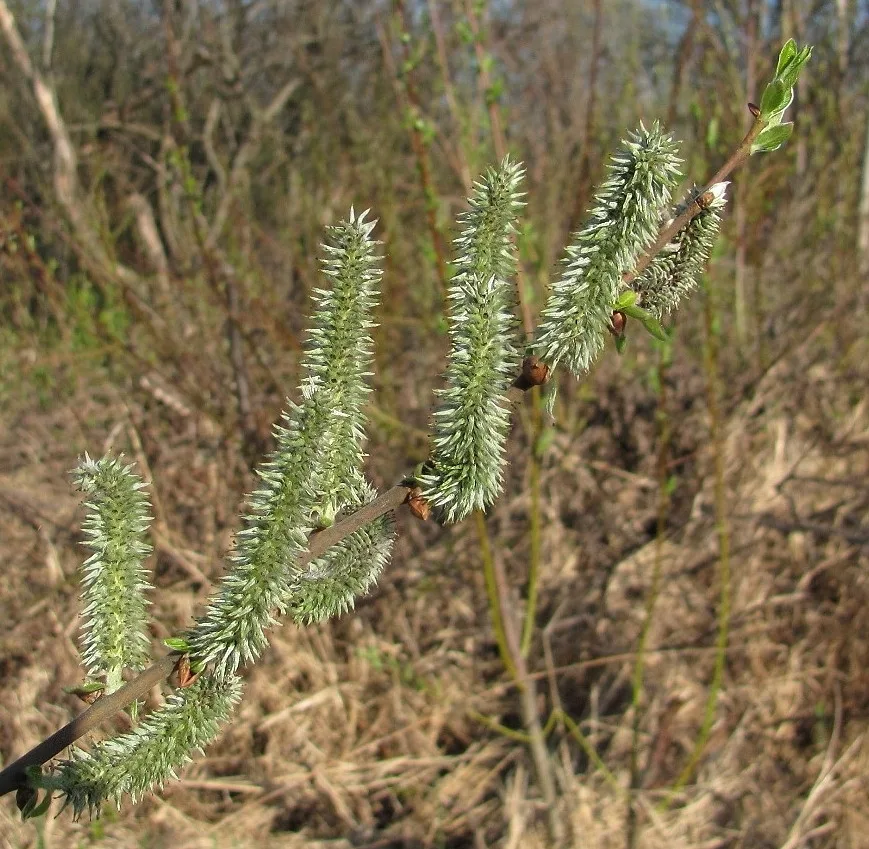
| Care difficulty | 2 / 5 |
|---|---|
| Watering schedule | Moderate regular watering, avoid prolonged drought or waterlogging |
| Sunlight requirements | Full sun |
| Ideal temperature | Information to be completed |
| Soil type | Clay · Loam · Sand |
| Soil pH | Acid · Alkaline · Neutral |
| Soil moisture | Moist but well drained |
| Fertilizing | Balanced feed in spring and light repeat in growth season |
| Toxicity | Information to be completed |
How to Water Salix × tetrapla?
Moderate regular watering, avoid prolonged drought or waterlogging
Learn more →What Are the Sunlight Requirements for Salix × tetrapla?
Full sun
Learn more →What Soil Is Best for Salix × tetrapla?
- Soil type
- Clay · Loam · Sand
- Soil pH
- Acid · Alkaline · Neutral
What Are the Moisture Requirements for Salix × tetrapla?
Moist but well drained
Learn more →How to Fertilize Salix × tetrapla?

Balanced feed in spring and light repeat in growth season
Learn more →How to Prune Salix × tetrapla?

For colourful stems or large foliage, prune hard to a low framework. Let young plants establish for one to two years first. Prune in late winter or spring, before or as new growth starts.
Learn more →How to Propagate Salix × tetrapla?

Propagate by softwood cuttings in early summer or hardwood cuttings in winter
Learn more →How to Plant Salix × tetrapla?
Grow in any deep, moist but well-drained soil in full sun. Avoid shallow chalk soil
Learn more →Common Pests & Diseases

Diseases
May be susceptible to willow anthracnose, honey fungus and rust diseases
Pests
May be susceptible to aphids, caterpillars, willow leaf beetle, sawflies and willow scale insects
Explore the plant health library →