



Planting and Growing mugwort

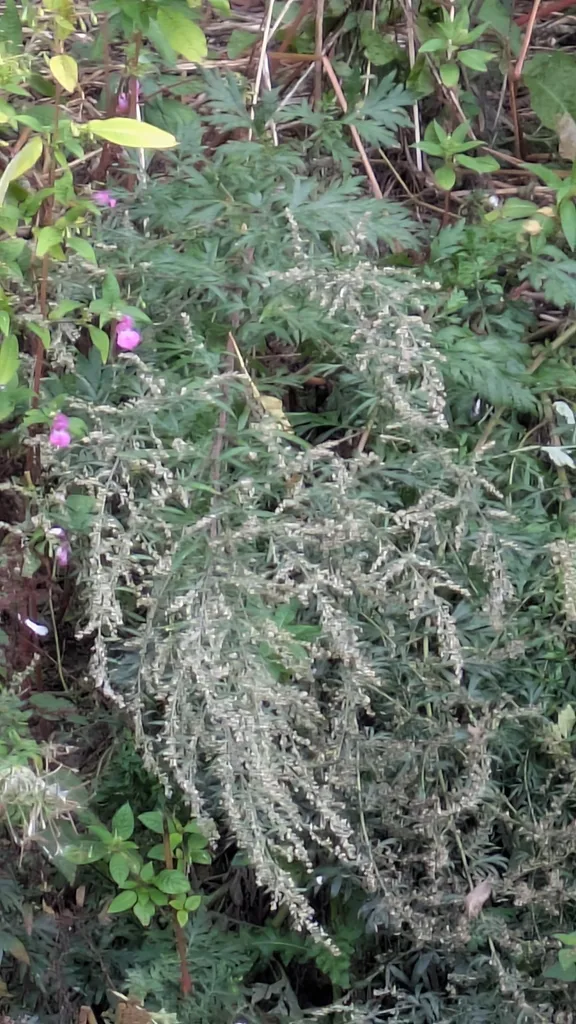
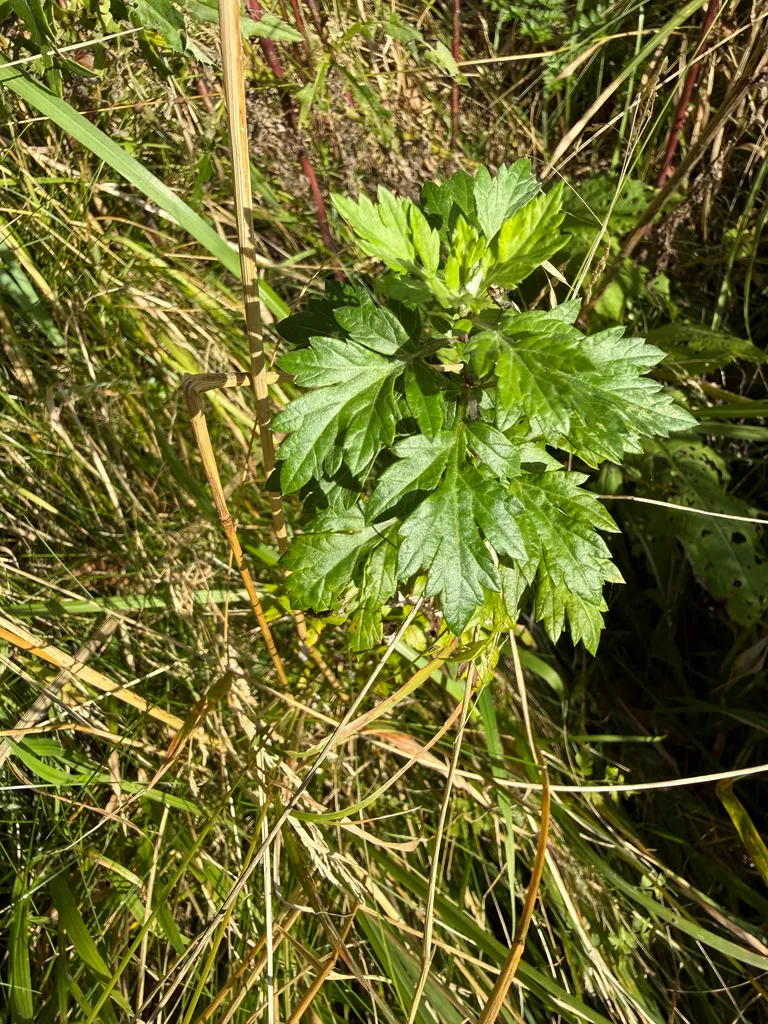
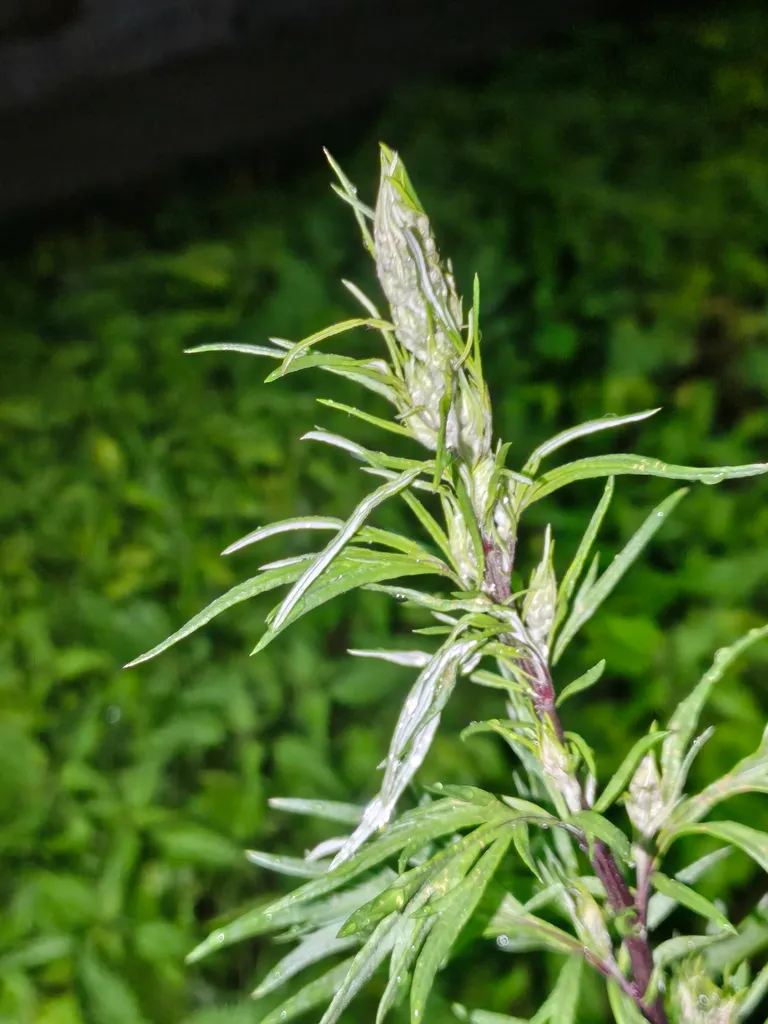
| Care difficulty | 2 / 5 |
|---|---|
| Watering schedule | Keep soil consistently moist for steady leafy growth without drought stress |
| Sunlight requirements | Full sun · Partial shade |
| Ideal temperature | Information to be completed |
| Soil type | Loam · Sand · Chalk |
| Soil pH | Acid · Alkaline · Neutral |
| Soil moisture | Well drained · Moist but well drained |
| Fertilizing | Nitrogen-rich vegetable feed every two to three weeks in active growth |
| Toxicity | Information to be completed |
How to Water mugwort?
Keep soil consistently moist for steady leafy growth without drought stress
Learn more →What Are the Sunlight Requirements for mugwort?
Full sun · Partial shade
Learn more →What Soil Is Best for mugwort?
- Soil type
- Loam · Sand · Chalk
- Soil pH
- Acid · Alkaline · Neutral
What Are the Moisture Requirements for mugwort?
Well drained · Moist but well drained
Learn more →How to Fertilize mugwort?

Nitrogen-rich vegetable feed every two to three weeks in active growth
Learn more →How to Prune mugwort?

Prune back growth to 5-10cm above ground level in Autumn. Remove flower heads to prevent self-seeding
Learn more →How to Propagate mugwort?

Propagate by seed with a period of cold stratification or by division of the rhizome in Spring or Autumn
Learn more →How to Plant mugwort?
Grow in a moist but well drained loamy soil in full sun or partial shade. It is a fast growing and prolific self seeder so remove flower heads to prevent it spreading. Prune back in Autumn to encourage healthy, vigorous growth the following Spring
Learn more →Common Pests & Diseases

Diseases
May be susceptible to honey fungus
Pests
Generally pest-free
Explore the plant health library →