



Planting and Growing white trumpet

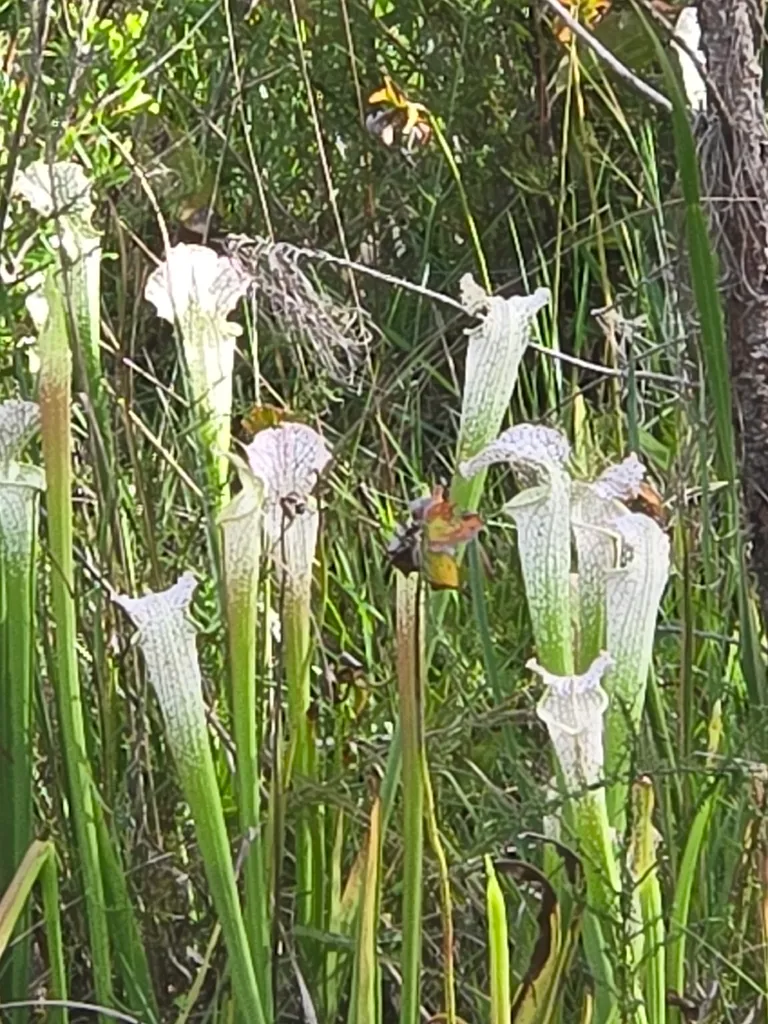
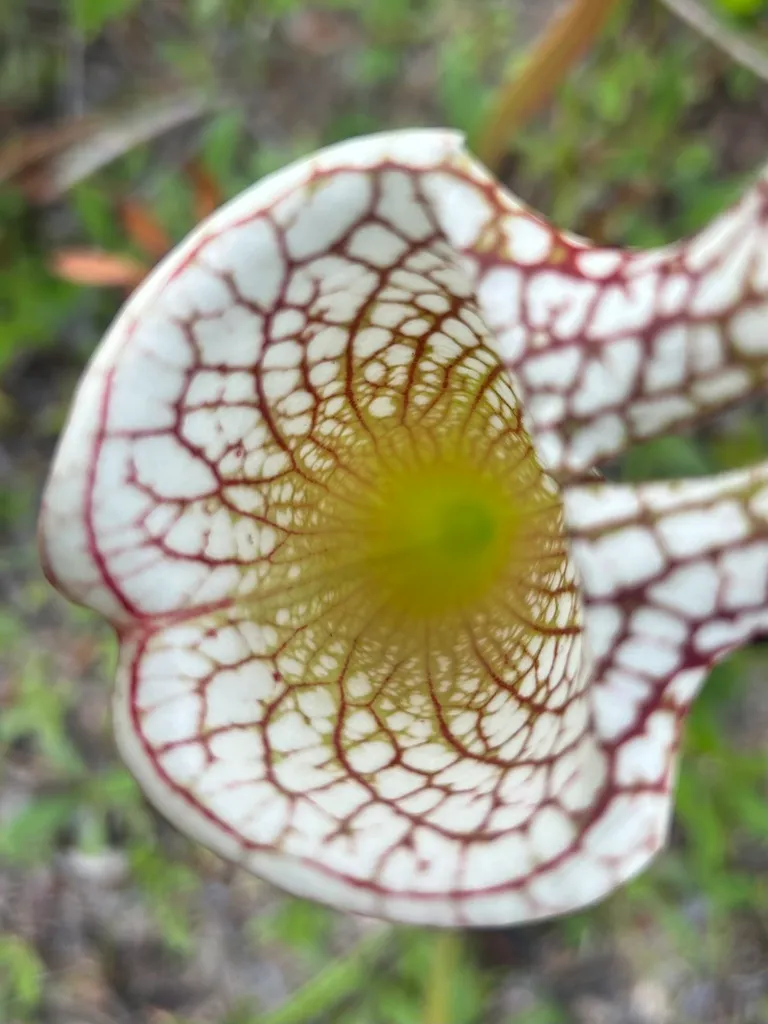
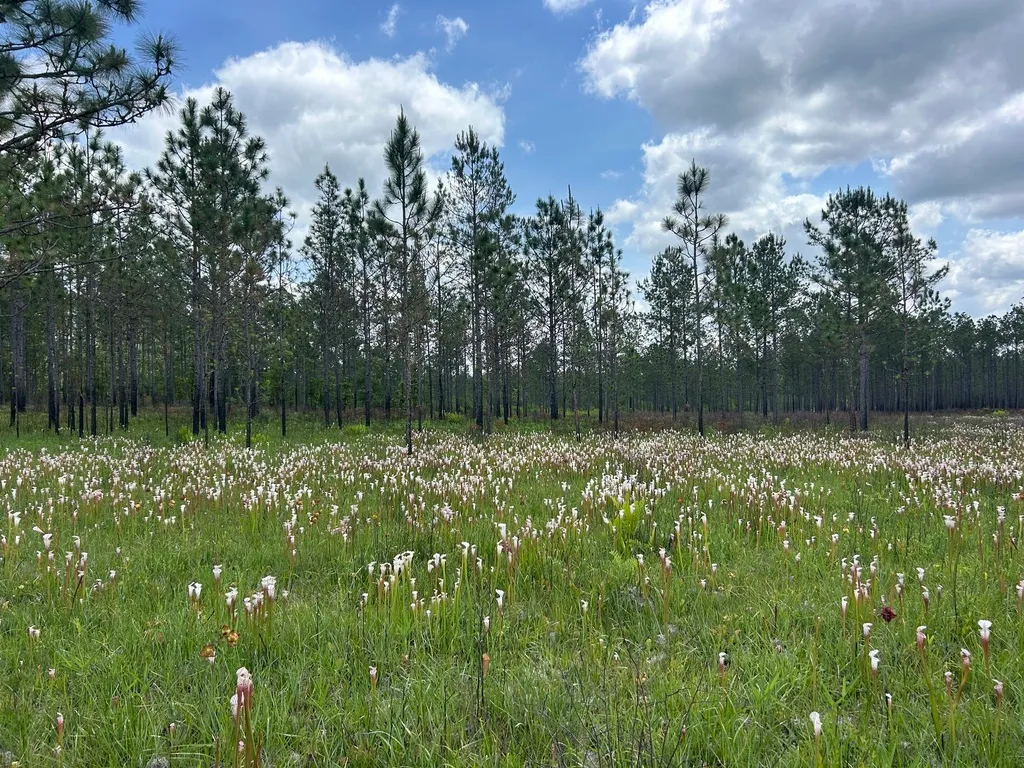
| Care difficulty | 3 / 5 |
|---|---|
| Watering schedule | Stand in tray of pure rainwater, roots always submerged fully |
| Sunlight requirements | Full sun |
| Ideal temperature | 15 – 25 °C |
| Soil type | Loam · Sand |
| Soil pH | Acid · Neutral |
| Soil moisture | Moist but well drained |
| Fertilizing | No fertilizer needed, pure rainwater supplies nutrients |
| Toxicity | Information to be completed |
How to Water white trumpet?
Originating from the humid environments of North American bogs, crimson pitcherplant thrives in conditions that mimic its natural habitat's moisture levels. This species exhibits a high tolerance for humidity and requires consistent hydration to maintain its pitcher-like structures, which are adapted to trap insects. Watering should occur twice a week to ensure the soil remains moist but not waterlogged. As an outdoor plant commonly found in wetlands, crimson pitcherplant benefits significantly from rainwater, which is often more acidic and mimics the low pH conditions of its native soil.
Learn more →What Are the Sunlight Requirements for white trumpet?
Crimson pitcherplant thrives in full sun conditions, exposing it to intense and direct sunlight for the majority of the day. This high light environment is pivotal for vibrant growth and fostering the characteristic rich coloration of its leaves. While tolerating minor variations in light, reduced sunlight may result in paler foliage and potentially stunted growth. Adaptively, crimson pitcherplant may alter leaf orientation or pitcher structure to maximize light capture. Preferring outdoor settings, an ideal placement is in open areas where sunlight is abundant, ensuring that light intensity supports healthy development and the maintenance of its captivating visual appeal.
Learn more →What Is the Ideal Temperature Range for white trumpet?

Crimson pitcherplant demonstrates considerable resilience to varying temperatures, tolerating cold conditions down to 0℃ (32℉) and heat up to 43℃ (109℉). However, consistent exposure to extremes can still pose risks. In cold conditions, crimson pitcherplant may exhibit leaf browning or dormancy. When overheated, symptoms include wilting and leaf burn. To safeguard crimson pitcherplant, insulate it during cold snaps and provide shade or increased hydration during heatwaves. Its temperature adaptability makes it suited for a variety of climates, though protective measures are essential in extreme weather to maintain its health and vitality.
Learn more →What Soil Is Best for white trumpet?
Crimson pitcherplant requires well-draining, aerated soil. A mix of equal parts sphagnum peat moss and perlite works well. If peat moss is unavailable, an alternative is coconut coir. To prevent water-logging, ensure container use has ample drainage holes. During the growing season, apply a diluted fertilizer labeled for carnivorous plants to support vigorous growth, avoiding standard fertilizers. Maintain soil moisture, but do not overwater, as crimson pitcherplant is sensitive to root rot.
- Soil type
- Loam · Sand
- Soil pH
- Acid · Neutral
What Are the Moisture Requirements for white trumpet?
Moist but well drained
Learn more →How to Fertilize white trumpet?

Crimson pitcherplant tolerates nutrient-poor and moisture-retaining soil, as it has evolved to catch insects. Fertilizer should not be used unless your soil is almost completely lacking a certain mineral. If you keep the plant outside for several weeks during the summer, the plant will be able to catch enough food for itself. Please do not feed your crimson pitcherplant meat. If additional nutrients are required, use supplement food sold for Venus flytrap plants. Dried crickets are an excellent choice.
Learn more →How to Prune white trumpet?

Crimson pitcherplant, known for its striking pitchers and white-spotted leaves, benefits from pruning to remove dead or damaged foliage, encouraging healthier growth. Optimal pruning should occur from early to later spring, aligning with its growth cycle. Regularly cutting back decayed leaves prevents mold and pest issues. Pruning post-bloom enhances pitcher development and overall plant vitality. Cleaning tools before and after use is essential to prevent disease spread. This maintenance ensures crimson pitcherplant remains vibrant and thrives in its environment.
Learn more →How to Propagate white trumpet?

Crimson pitcherplant is a unique carnivorous plant favored for its showy, tubular leaves that trap insects. To propagate these plants effectively, careful sowing of their tiny seeds on a moist, well-drained medium is essential. Covering the surface with a thin layer of sphagnum moss can provide the necessary support and humidity for germination. It's crucial to maintain a high level of humidity and ensure that the soil remains damp, but not waterlogged, which could lead to fungal issues or seed rot. As seedlings develop, gradually acclimating them to less humid conditions will help them establish more robust growth for eventual transplanting.
Learn more →How to Transplant white trumpet?
Opt for the warmth and stability of late spring to early summer to transplant crimson pitcherplant, ensuring it thrives. Select a sunny spot with moist, acidic soil. A gentle touch is key to prevent root damage.
Learn more →How to Plant white trumpet?
Indoors-potted: Ensure crimson pitcherplant has ample space indoors for its unique pitcher growth, which can be a striking conversational piece. Outdoors-potted: Crimson pitcherplant's pitchers thrive outdoors; rotate the pot periodically to promote even growth and pitcher formation. Outdoors-in the ground: When planting crimson pitcherplant in the ground, consider its natural bog habitat; it needs consistent moisture and room to spread.
Learn more →How to Repot white trumpet?
Repot crimson pitcherplant, a vibrant carnivorous plant, every 2-3 years to accommodate its growth. Spring, before peak growth, is ideal. Choose a deep pot to allow space for long roots. Post-repotting, maintain high humidity and avoid fertilizers; these adaptions allow crimson pitcherplant's pitchers to thrive. Ensure the care reflects crimson pitcherplant's unique lifestyle for robust health.
Learn more →Common Pests & Diseases

Diseases
Generally disease free
Pests
May be attacked by scale insects, mealybugs, aphids and tortrix moth
Explore the plant health library →