



Planting and Growing wavy-leaved rhubarb

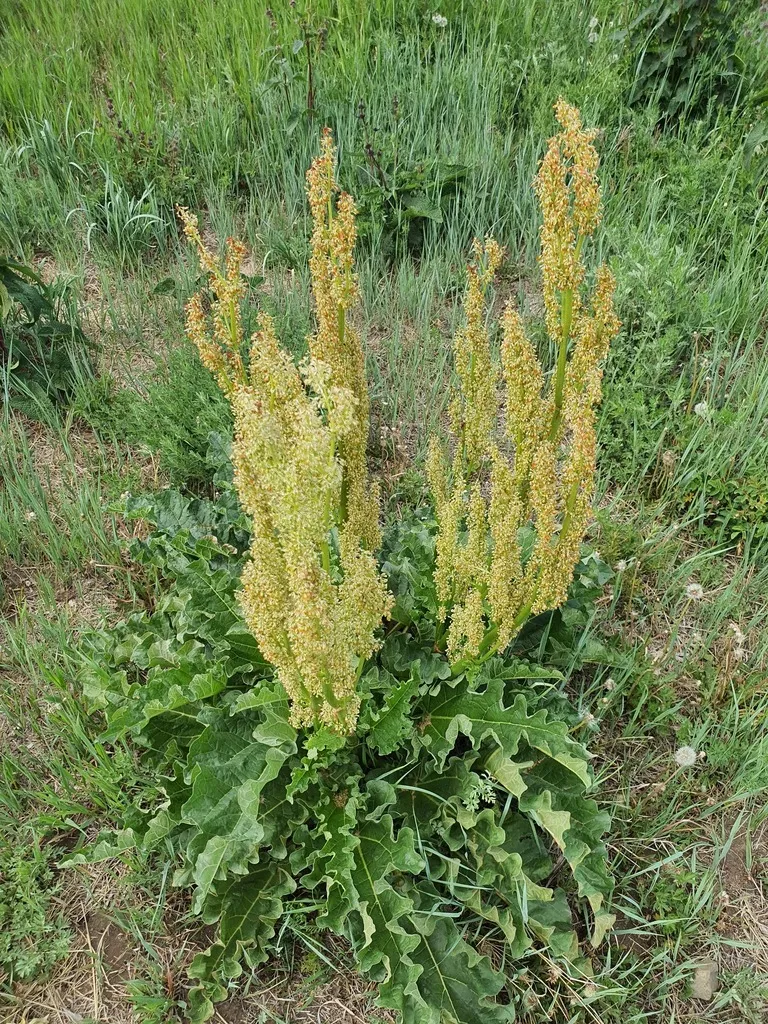
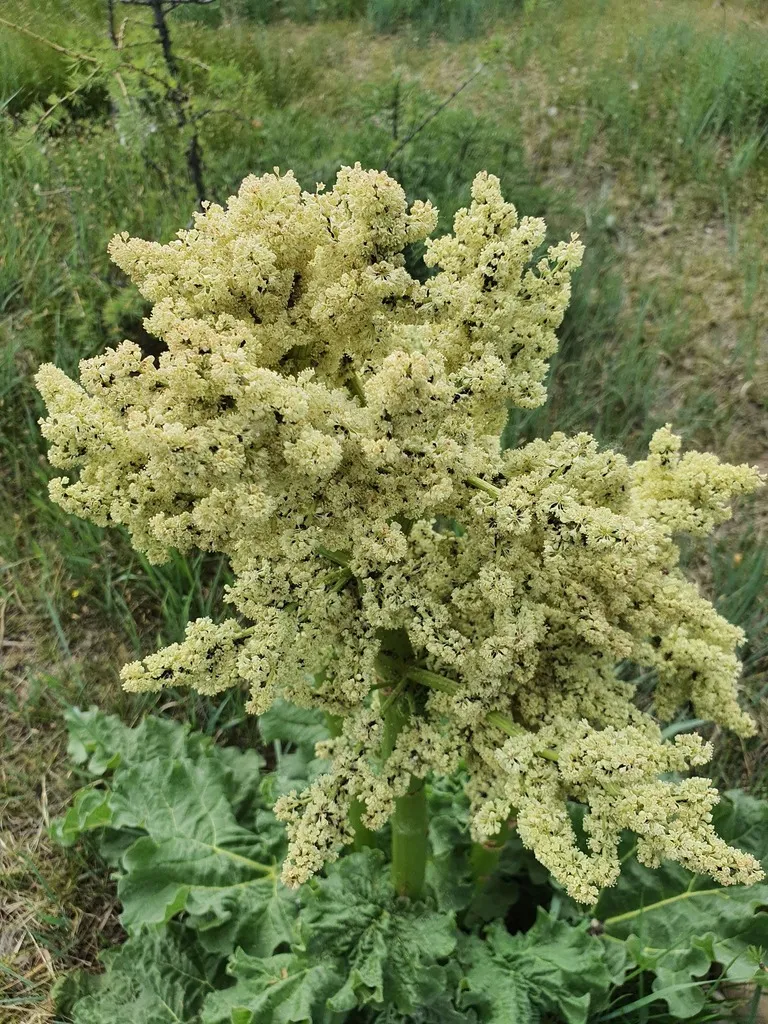
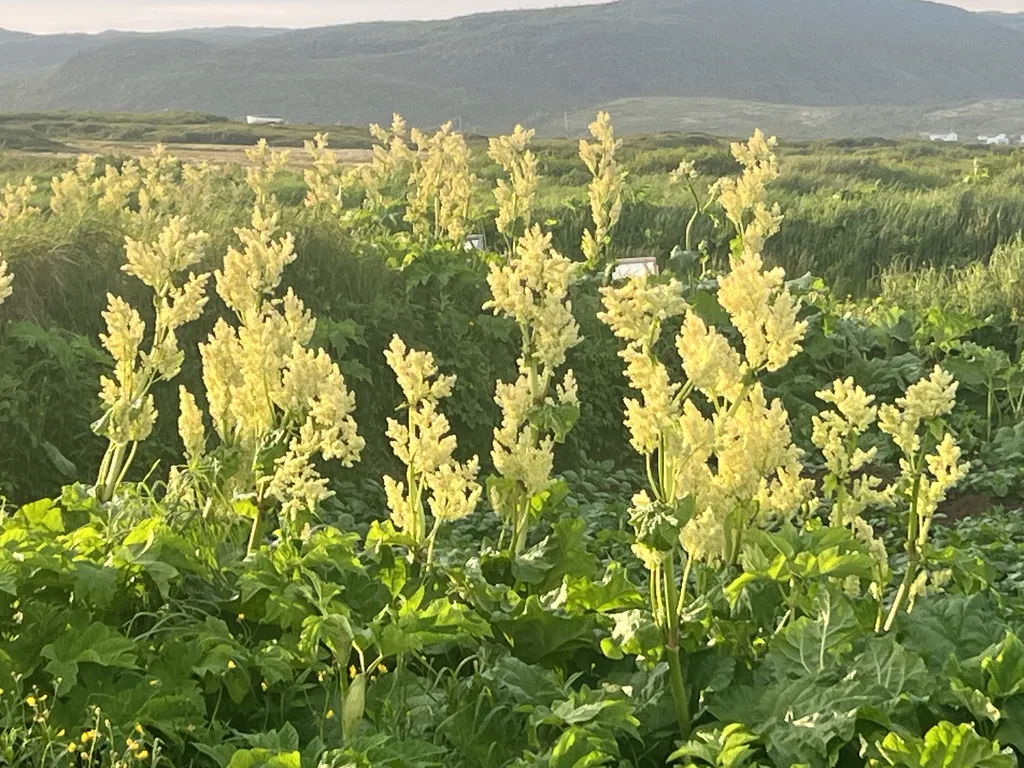
| Care difficulty | 3 / 5 |
|---|---|
| Watering schedule | Sustain fertile damp soil, water more during hot summer heat waves |
| Sunlight requirements | Full sun · Partial shade |
| Ideal temperature | Information to be completed |
| Soil type | Chalk · Clay · Loam · Sand |
| Soil pH | Acid · Alkaline · Neutral |
| Soil moisture | Moist but well drained |
| Fertilizing | Nitrogen-rich diluted feed monthly leaf and stalk growth phase |
| Toxicity | Harmful if eaten. Wear gloves and other protective equipment when handling LJD |
How to Water wavy-leaved rhubarb?
Sustain fertile damp soil, water more during hot summer heat waves
Learn more →What Are the Sunlight Requirements for wavy-leaved rhubarb?
Full sun · Partial shade
Learn more →What Soil Is Best for wavy-leaved rhubarb?
- Soil type
- Chalk · Clay · Loam · Sand
- Soil pH
- Acid · Alkaline · Neutral
What Are the Moisture Requirements for wavy-leaved rhubarb?
Moist but well drained
Learn more →How to Fertilize wavy-leaved rhubarb?

Nitrogen-rich diluted feed monthly leaf and stalk growth phase
Learn more →How to Prune wavy-leaved rhubarb?

Deadhead spent flower spikes unless seed is required, cut back faded leaves at the end of the season
Learn more →How to Propagate wavy-leaved rhubarb?

Propagate by seed or by division
Learn more →How to Plant wavy-leaved rhubarb?
Grow in moist but well drained soil. Mulch with manure in spring; avoid covering the crown. Keep watered in dry summers. See rhubarb cultivation for more detailed advice
Learn more →Common Pests & Diseases

Diseases
May be susceptible to crown rot, honey fungus and virus diseases
Pests
May be susceptible to slugs and aphids
Explore the plant health library →The Toxicity of wavy-leaved rhubarb
Harmful if eaten. Wear gloves and other protective equipment when handling LJD