



Planting and Growing Coral ardisia

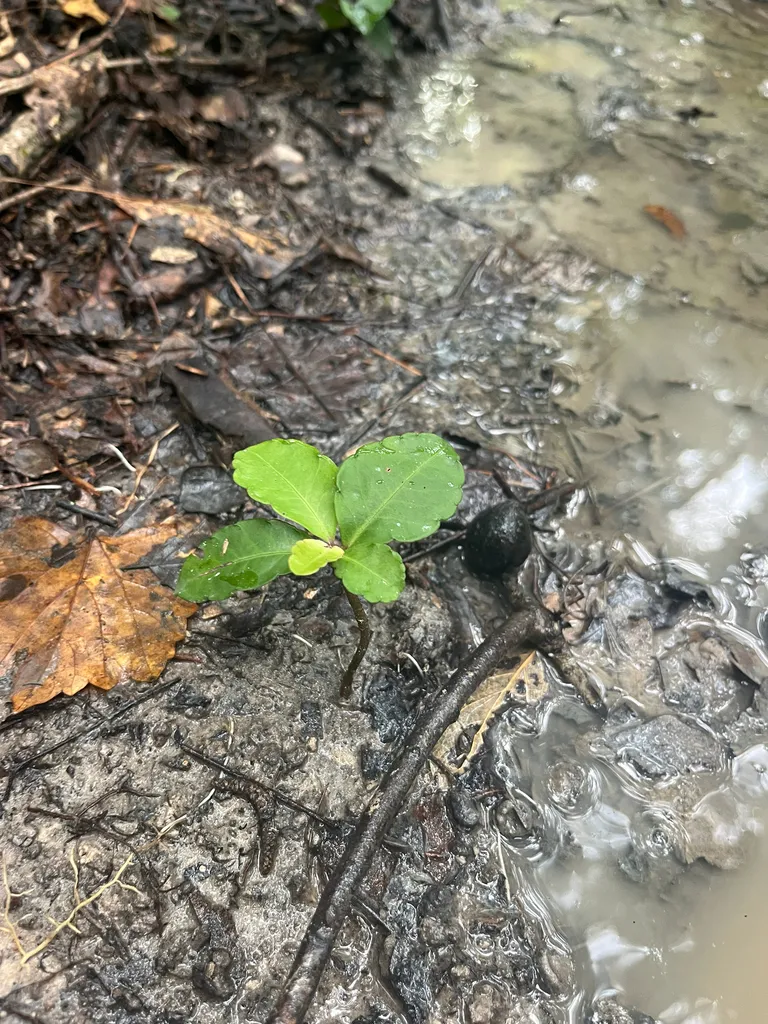
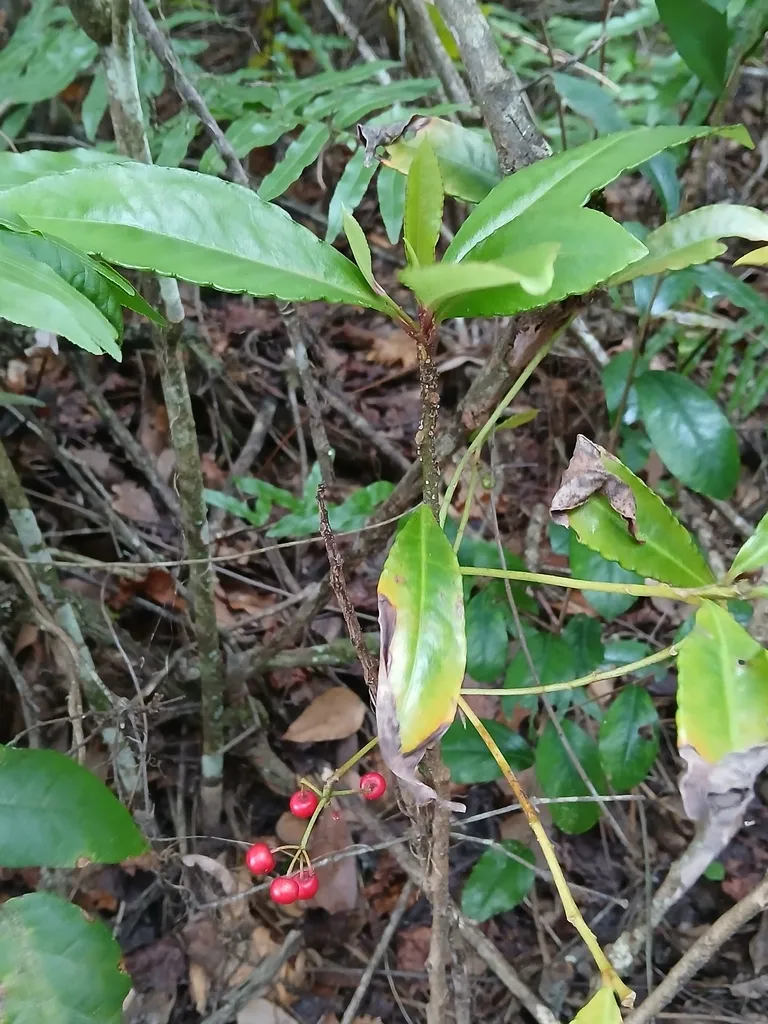
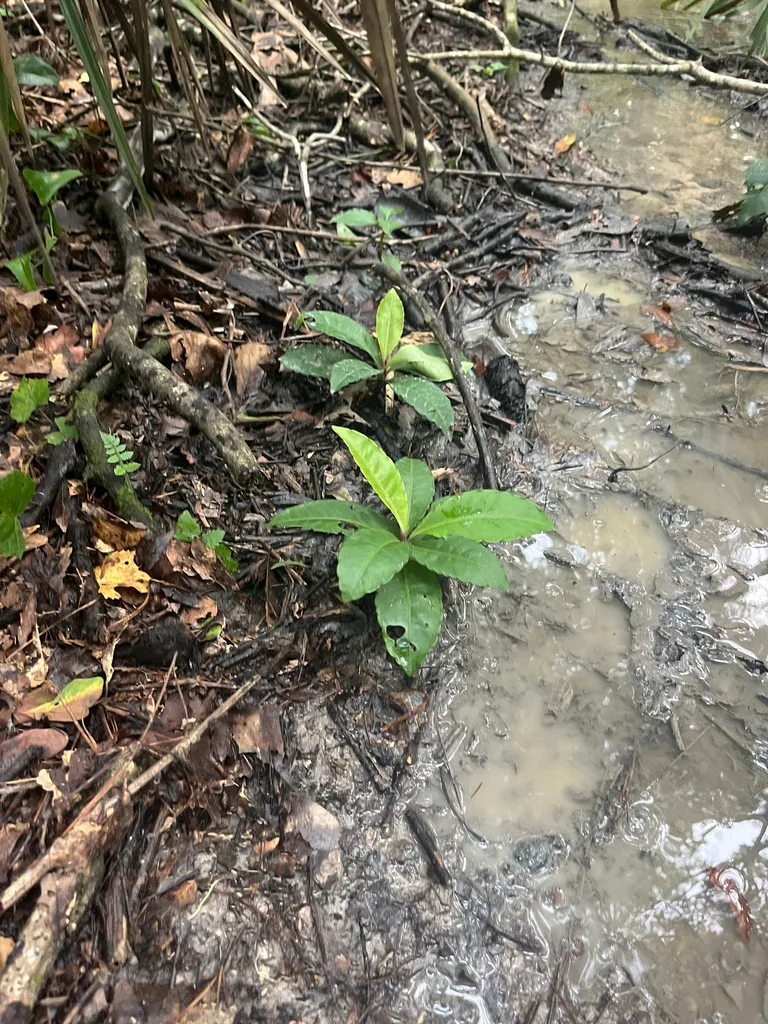
| Care difficulty | 2 / 5 |
|---|---|
| Watering schedule | Keep soil slightly moist, reduce in winter |
| Sunlight requirements | Partial shade |
| Ideal temperature | Information to be completed |
| Soil type | Loam |
| Soil pH | Acid · Neutral |
| Soil moisture | Moist but well drained |
| Fertilizing | Monthly from spring to fall |
| Toxicity | All parts of the plant are toxic if ingested, particularly the attractive red berries, which can cause gastrointestinal distress in humans and pets. |
How to Water Coral ardisia?
Keep soil slightly moist, reduce in winter
Learn more →What Are the Sunlight Requirements for Coral ardisia?
Partial shade
Learn more →What Soil Is Best for Coral ardisia?
- Soil type
- Loam
- Soil pH
- Acid · Neutral
What Are the Moisture Requirements for Coral ardisia?
Moist but well drained
Learn more →How to Fertilize Coral ardisia?

Monthly from spring to fall
Learn more →How to Prune Coral ardisia?

Prune lightly after flowering or in early spring to maintain shape and remove any dead or damaged branches. Thinning out congested stems improves air circulation.
Learn more →How to Propagate Coral ardisia?

Propagate by semi-ripe cuttings taken in summer, rooted in a mix of peat and sand under high humidity at 18-20°C. Seeds can be sown fresh in autumn, though germination is slow and variable.
Learn more →How to Plant Coral ardisia?
Grow in well-drained, humus-rich loam with a neutral to acid pH. Position in partial shade, avoiding hot direct sun which can scorch leaves. Keep soil consistently moist during the growing season, but reduce watering in winter. Apply a balanced liquid fertiliser monthly from spring to late summer. For outdoor plants, provide a sheltered spot with protection from frost; in colder regions grow in containers and overwinter indoors.
Learn more →Common Pests & Diseases

Diseases
Generally resistant, but may suffer from root rot if overwatered or grown in poorly drained soil. Leaf spot can occur in humid conditions.
Pests
Susceptible to scale insects, mealybugs, and spider mites, especially when grown indoors or in greenhouse conditions.
Explore the plant health library →The Toxicity of Coral ardisia
All parts of the plant are toxic if ingested, particularly the attractive red berries, which can cause gastrointestinal distress in humans and pets.