



Planting and Growing Anemone Stinkhorn

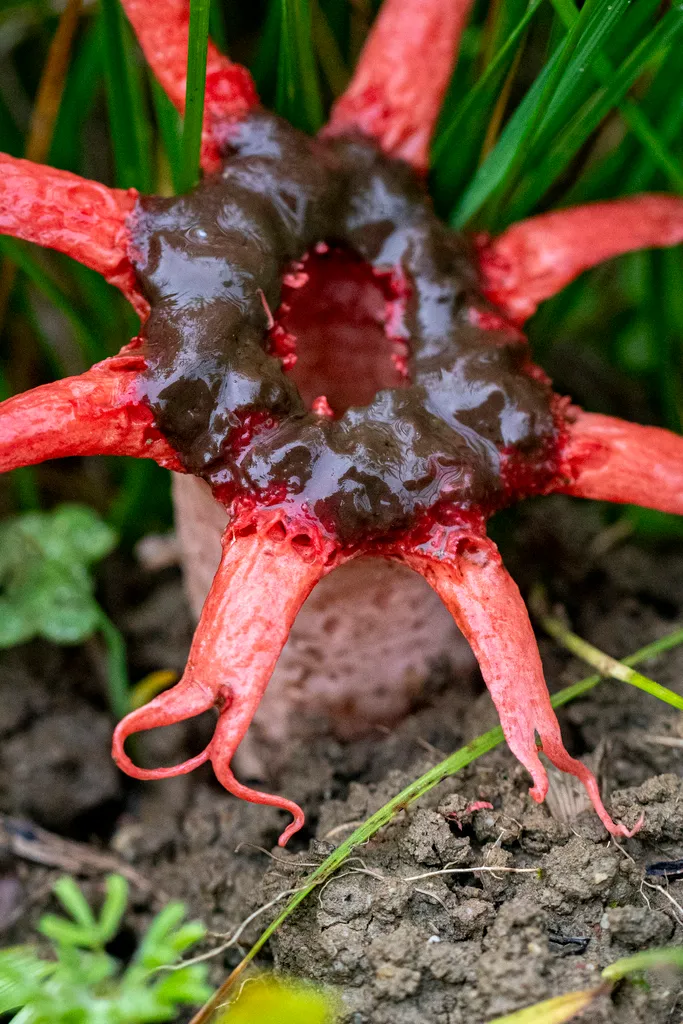
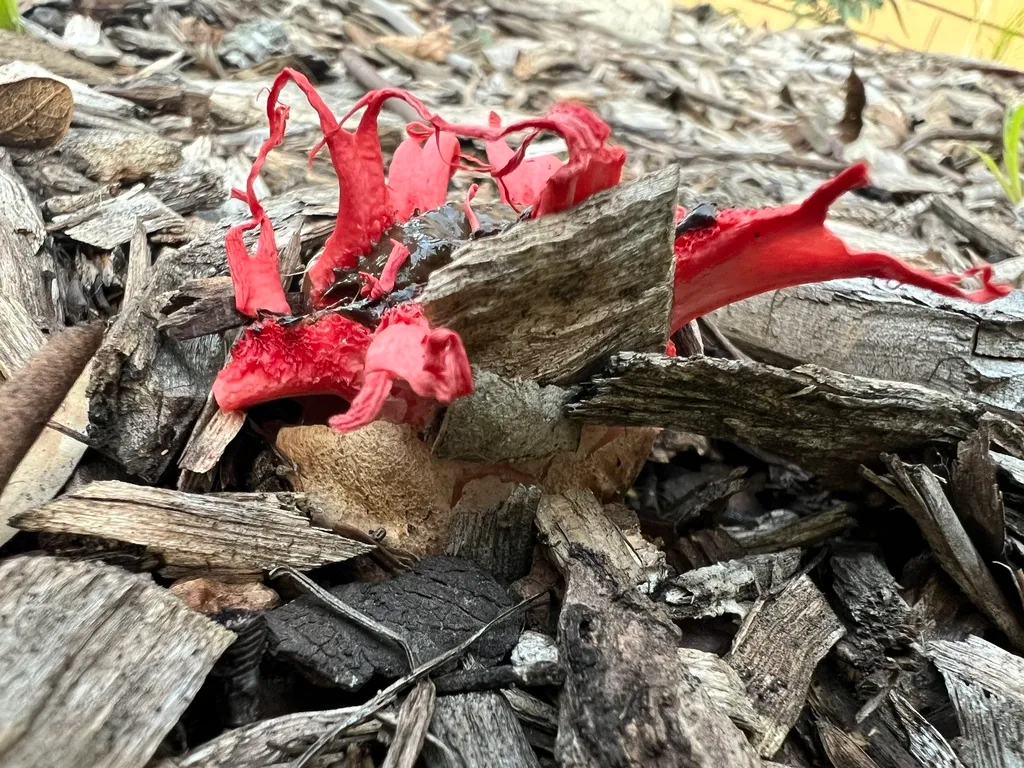
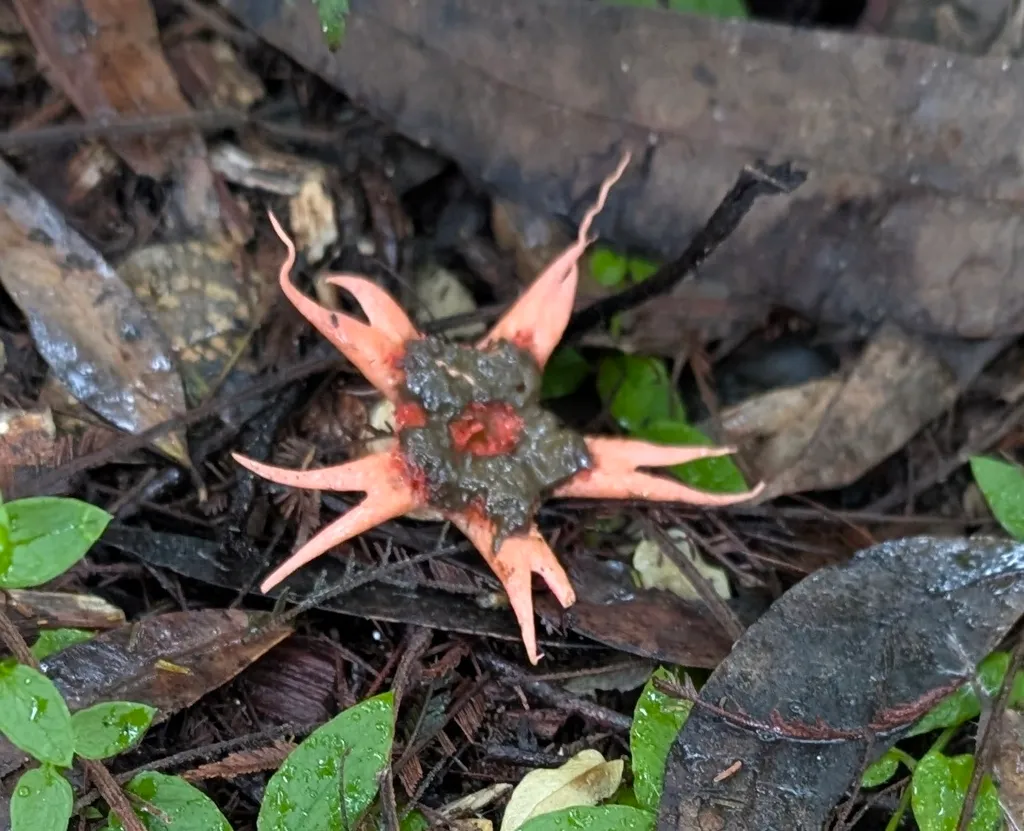
| Care difficulty | 3 / 5 |
|---|---|
| Watering schedule | Keep substrate consistently moist, but not waterlogged |
| Sunlight requirements | Full shade |
| Ideal temperature | Information to be completed |
| Soil type | Loam |
| Soil pH | Acid |
| Soil moisture | Moist |
| Fertilizing | Not applicable |
| Toxicity | Considered inedible and may cause mild gastrointestinal upset if ingested; not known to be lethal to humans or pets. |
How to Water Anemone Stinkhorn?
Keep substrate consistently moist, but not waterlogged
Learn more →What Are the Sunlight Requirements for Anemone Stinkhorn?
Full shade
Learn more →What Soil Is Best for Anemone Stinkhorn?
- Soil type
- Loam
- Soil pH
- Acid
What Are the Moisture Requirements for Anemone Stinkhorn?
Moist
Learn more →How to Fertilize Anemone Stinkhorn?

Not applicable
Learn more →How to Prune Anemone Stinkhorn?

Not required; fruiting bodies decay naturally after spore release
Learn more →How to Propagate Anemone Stinkhorn?

Propagate via spore dispersal. Collect mature, odor-emitting fruiting bodies and place them on a suitable substrate (e.g., moist wood chips) in a humid, shaded area. Spores will germinate and mycelium will colonize the substrate. Alternatively, transplant mycelium-infested wood chips to new locations.
Learn more →How to Plant Anemone Stinkhorn?
This fungus is not a plant and does not require traditional cultivation. It thrives in moist, shaded environments with ample organic matter such as wood chips or leaf litter. To encourage fruiting, maintain high humidity and avoid disturbing the substrate. No fertilizer is needed; it decomposes organic material naturally. Do not attempt to overwinter indoors as it completes its life cycle quickly outdoors.
Learn more →Common Pests & Diseases

Diseases
Susceptible to molds and competing fungi if substrate is too wet or unbalanced. Generally resilient in natural habitats.
Pests
May be eaten by slugs, snails, and some insects. The foul smell primarily repels larger animals.
Explore the plant health library →The Toxicity of Anemone Stinkhorn
Considered inedible and may cause mild gastrointestinal upset if ingested; not known to be lethal to humans or pets.