



Planting and Growing Wild Mint

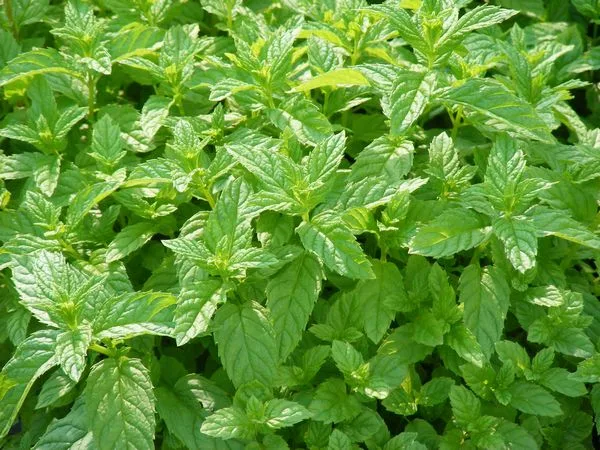
| Care difficulty | 2 / 5 |
|---|---|
| Watering schedule | Keep soil consistently moist |
| Sunlight requirements | Full sun · Partial shade |
| Ideal temperature | 15 – 25 °C |
| Soil type | Loam |
| Soil pH | Neutral |
| Soil moisture | Moist but well drained |
| Fertilizing | Every 4 weeks during growing season |
| Toxicity | Non-toxic to humans and pets, but excessive consumption may cause mild irritation. |
How to Water Wild Mint?
Keep soil consistently moist
Learn more →What Are the Sunlight Requirements for Wild Mint?
Full sun · Partial shade
Learn more →What Is the Ideal Temperature Range for Wild Mint?

15 – 25 °C
Learn more →What Soil Is Best for Wild Mint?
- Soil type
- Loam
- Soil pH
- Neutral
What Are the Moisture Requirements for Wild Mint?
Moist but well drained
Learn more →How to Fertilize Wild Mint?

Every 4 weeks during growing season
Learn more →How to Prune Wild Mint?

Cut back old stems in early spring. Pinch out tips in summer to encourage bushier growth and control spread.
Learn more →How to Propagate Wild Mint?

Propagate by division in spring or take stem cuttings in early summer; they root easily in moist soil.
Learn more →How to Plant Wild Mint?
Grow in full sun to partial shade in moist but well-drained soil. Water regularly to keep soil evenly moist during the growing season. Apply a balanced fertilizer in spring. In winter, cut back dead stems; the root system is hardy. Be mindful of its invasive spreading habit.
Learn more →Common Pests & Diseases

Diseases
Susceptible to rust and powdery mildew in humid conditions.
Pests
Aphids and spider mites may attack.
Explore the plant health library →Troubleshooting
Leggy Stems, Invasive Spread
Wild Mint (Mentha haplocalyx) grows vigorously in warm, bright conditions; pinching growing tips prevents woody leggy stems and preserves foliage quality.
| What you notice | Possible explanation | What to check next |
|---|---|---|
| Stems elongate with sparse lower leaves and flower spikes forming at tips | Delayed harvesting/pinching or insufficient sunlight | Check stem length and whether flower buds have started forming |
| Vigorous underground runners invade neighboring garden beds | Aggressive rhizomatous spread typical of Mentha species | Inspect root confinement around garden borders |
- Pinch or harvest stem tips regularly just above a pair of leaves, and remove flower buds promptly to maintain bushy growth.
- Provide full sun (at least 6 hours daily) to partial shade in moist, fertile, well-drained soil.
- Grow Mentha in containers or sunken bottomless pots to contain invasive underground runners.
Divide congested potted Mentha clumps every 2 to 3 years in spring to refresh vigor.
Orange Rust Pustules, Powdery Mildew, or Sap-Sucking Pests
Crowded foliage and damp stagnant air promote foliar fungi, while dry indoor air favors spider mites, whiteflies, and aphids.
| What you notice | Possible explanation | What to check next |
|---|---|---|
| Bright orange-brown powdery pustules on leaf undersides and distorted stems | Mint rust (Puccinia menthae) or powdery mildew | Inspect leaf undersides and lower stems closely |
| Curled shoot tips, sticky honeydew, or fine webbing on leaf undersides | Aphids, whiteflies, mealybugs, or spider mites | Examine young leaves and undersides closely |
- Thin out crowded stems and avoid overhead watering late in the day to keep leaves dry.
- Remove and discard any leaves showing fungal pustules or white mildew immediately (do not compost infected foliage).
- Rinse culinary leaves thoroughly with water before kitchen use, and treat persistent pests only with appropriately labeled insecticidal soap.
If mint rust severely infects a bed, dig up and discard affected roots and replant healthy certified stock in a fresh container.
The Toxicity of Wild Mint
Non-toxic to humans and pets, but excessive consumption may cause mild irritation.